Waikato
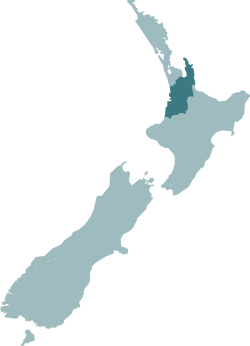 What we heard from those in the Waikato community, helps us understand how services are working to improve outcomes for (children) and (young people) and their .


Before we visit a community, we request data from Oranga Tamariki and NZ Police to help with our planning. This data provides the context for our visit and highlights areas we may need to look at to understand what is working well or what might need to change.
You’ll see some of this data in the key themes in this report, and in the A3 summary for Waikato.
As with all our reports, data is just one part of the overall picture for your community. The voices of , , and , and those like you who support them, are at the centre of our .
Who we heard from during our visit to Waikato
| 48 | tamariki and rangatahi |
| 18 | whānau |
| 26 | caregivers |
| 32 | representatives from kaupapa Māori / organisations / strategic partners |
| 42 | Oranga Tamariki kaimahi |
| 11 | Open Home Foundation kaimahi |
| 20 | Police staff |
| 45 | representatives from other government agencies |
| 42 | representatives from other non-government agencies |
| 28 | kaimahi from group homes and specialist homes |
Information about how we analyse what we heard can be found on our website: aroturuki.govt.nz/what-we-do
Reports of Concern
- A lack of site capacity is driving Oranga Tamariki decision making and responsiveness to reports of concern
- Delays in receiving reports of concern from the National Contact Centre compound the problem, putting the safety of tamariki and rangatahi at further risk
- The report of concern table Te Haumirimiri Ngākau Mokopuna is receiving a high volume of complex referrals from Oranga Tamariki as a result of site capacity constraints
- If the table later determines that statutory intervention by Oranga Tamariki is needed a new report of concern must be submitted, leaving tamariki and rangatahi at risk of further harm
- Te Haumirimiri Ngākau Mokopuna needs help to address its waiting list
Family Group Conferences
- Tamariki, rangatahi and whānau don’t always feel heard or listened to in family group conferences, despite efforts to support them
- The partnership between Oranga Tamariki and Mokopuna Ora supports whānau voice in FGCs
- A lack of funding is preventing some disabled tamariki and rangatahi from getting the support they need to participate in family group conferences
- Whānau in prison face additional barriers to attend and participate in family group conferences relating to their tamariki and rangatahi
- Resourcing family group conference plans is challenging due to a lack of funding
- There is concern that section 19 family group conference referrals for truancy are not regarded as a priority
Cross-agency collaboration, information sharing and communication
- Cross-agency hui are acknowledged as a great way of collaborating but poor engagement from some is impacting support for tamariki, rangatahi and whānau
- A lack of dedicated resource and buy-in to the family violence operating model is preventing Oranga Tamariki from fully participating in the safety assessment meeting (SAM) table
- Poor information sharing is delaying support for tamariki, rangatahi and whānau
- However, information sharing from Oranga Tamariki is working well for group homes and some police officers
- Knowing what information can be shared between agencies is not always well understood, particularly when the information is sensitive
- Some agencies are resorting to quoting legislation to support information sharing requests
- Some referrals, plans and assessments do not contain the information organisations need to support tamariki and rangatahi
- Specialist roles improve information sharing and collaboration, and support other professionals to meet the needs of tamariki and rangatahi
Care placement options
- Limited availability of care options in the region is having a domino effect on the quality of care that is provided
- The provisional approval process is pressured and increases risk to tamariki and rangatahi
- Caregivers are caring for disabled tamariki and rangatahi with complex needs without proper support and training
- A shortage of placement options is resulting in rangatahi spending time in police cells
- Police stations are not suitable places for rangatahi
Accessing services and supports
- There are not enough services available across the region to meet the needs of tamariki, rangatahi and whānau
- A change in Oranga Tamariki policy has further impacted access to services, even when spots become available
- Access to services is more challenging for those in rural communities
- The size of the region makes getting support and attending appointments difficult for rural rangatahi and their whānau
- Access to general health and dental services in the region is good for most, but challenging for those in remand homes
- Tamariki and rangatahi in Oranga Tamariki care are not prioritised for health assessments, further delaying disability diagnosis and support
- Poor access to disability diagnosis leaves tamariki and rangatahi unable to access the support they need
- There is tension between agencies over who is responsible for funding disability support
- Getting mental health support for tamariki and rangatahi is particularly challenging in a crisis
- Access to mentoring services is in high demand in the region but intake is limited
- Collaborative youth justice intervention services are making a positive difference in Waikato
Funding and contracts
- Cuts to community funding and contracts have put pressure on remaining services and left tamariki, rangatahi, whānau and caregivers without the support they need
- Contract caps contribute to a shortage of care placement options, despite a provider having capacity to support tamariki and rangatahi
- Some community contracts are underutilised by Oranga Tamariki or do not match the capacity and need for a service
Education
- High thresholds for the Ongoing Resource Scheme and waitlists for learning support services leave tamariki and rangatahi who have additional learning needs without support
- When tamariki and rangatahi don’t have the education support they need it can lead to disengagement from school and significantly impact their future
- A reluctance from schools to enrol tamariki and rangatahi involved with Oranga Tamariki, and limited alternatives, results in some tamariki and rangatahi not accessing education
- Te Kura is not always a viable option, and there is disagreement about who should fund the supervision needed to support this learning
- The closure of the Kauri Centre has left group home kaimahi to provide education to tamariki and rangatahi
When Oranga Tamariki and Mokopuna Ora collaborate strongly as partners it results in better outcomes for , and
Some Oranga Tamariki kaimahi, as well as the Regional Commissioner, spoke really positively about Mokopuna Ora and told us how much they value their partnership. They highlighted the trusting relationships Mokopuna Ora build with whānau, and the strong support and advocacy Mokopuna Ora provide. This is similar to what we heard directly from whānau and covered in more detail in the family group conference theme.
“He [Mokopuna Ora kaimahi] reminds me that I’m doing a good job … reminding me I have come a long way.” – whānau
“[Mokopuna Ora kaimahi] is better than the social worker. I can flick her a message or email and she will call me or respond back as soon as she can ... she’s advocated a lot with Oranga Tamariki like getting them to separate meetings and she would bring up parenting order when Oranga Tamariki were trying to set up co-parenting with the father. She even helped me get my lawyer and prepared to support me and make a complaint against the social worker.” – whānau
Some Oranga Tamariki kaimahi and site leaders noted that Mokopuna Ora are viewed more positively and are trusted by whānau, enabling Mokopuna Ora kaimahi to act as a “bridge” between them and whānau. By working together, they can support better outcomes for tamariki, rangatahi and whānau. We heard a couple of positive examples from Mokopuna Ora kaimahi and Oranga Tamariki kaimahi of where they have had “courageous conversations” and collaborated well together.
“Communications with the Kairaranga ā-whānau, myself, the [Oranga Tamariki] social worker and the family group conference coordinator. We all had a hand in there. Being honest and open. It was a group thing, eclectic to achieve result to return babies back ... It’s a team.” – Mokopuna Ora kaimahi
However, kaimahi from both Oranga Tamariki and Mokopuna Ora also noted that sometimes they are not collaborating as well as they could be to achieve good outcomes for tamariki, rangatahi and whānau.
We heard some examples of poor communication from Oranga Tamariki, for example, not inviting Mokopuna Ora to family group conferences (this is covered in more detail in the family group conference theme). We also heard that the two organisations can have different perspectives, and there can be tension between the statutory role of Oranga Tamariki and the strong whānau advocacy of Mokopuna Ora. In these cases, there was recognition that though they may not agree, they share a common goal in ensuring tamariki and rangatahi are safe. We heard that kaimahi from both organisations should feel safe to respectfully speak up and work collaboratively.
“It [collaboration with Mokopuna Ora] works when there is transparency [and we’re] all on same page and same goal. Often when parents don’t want to work with us to address their drug addictions, family violence … Mokopuna Ora can be supportive ... walk beside them, go with them to the agency, or connect them with wider whānau. That’s how it looks in action [when] it works well … That happens lots of times come to think of it ... positive outcomes. It just takes so long. That’s why [there are] frustrations with us.” – Oranga Tamariki site leader
Many Oranga Tamariki kaimahi and leaders told us that they are experiencing high stress and staff turnover. They attributed this to siloed decision making and multiple practice changes from national office that do not support their frontline work, as well as a lack of staff and resources for their high workloads. Oranga Tamariki data shows that, compared to the national average, Waikato has a higher proportion of staff vacancies and a higher rate of staff turnover.
| Waikato | 16% |
| National (including Waikato) | 12% |
| Waikato | 13% |
| National (including Waikato) | 11% |
| Waikato | 16% |
| National (including Waikato) | 10% |
Siloed decision making by Oranga Tamariki National Office is causing change fatigue and frustration amongst local Oranga Tamariki and community kaimahi
Our Waikato visit followed significant decisions and large scale changes from Oranga Tamariki, including its staffing restructure and change in Chief Executive, the merging of the Waikato and Bay of Plenty regions to one region, and its review of community contracts and funding. Our visit also followed the community stage of the Military Style Academy pilot, with the majority of in the pilot programme being from Waikato.
Oranga Tamariki kaimahi, other government agency kaimahi, and community kaimahi expressed frustration and fatigue over the lack of communication and input they had in how these decisions were made and subsequently implemented.
The most evident change is in the roll out of the new Oranga Tamariki regions, which resulted in the Waikato and Bay of Plenty reporting to one Regional Commissioner.
Oranga Tamariki site leaders and the Regional Commissioner shared concerns that the new region is very large and not communitysufficiently staffed at the regional level to have the visibility, presence and oversight they would like. For example, the Regional Commissioner said there is one Operations Manager to cover both the Waikato and Bay of Plenty. They felt that having two, one for each area, would be more appropriate. We heard this would:
- increase their oversight of local sites and practice to monitor outcomes for and rangatahi and improve practice
- enable them to ‘honour’ their obligations and be more present in working with their strategic partners
- facilitate better collection and presentation of data to Oranga Tamariki national office to fully reflect the situation and needs of the region.
“If I haven’t got the leadership structure to go away and ask the questions of a site manager that’s down in Taupō or Taumarunui then we are not going to have the influence that we need to in terms of better outcomes for kids. You don’t put people in positions just for the sake of putting people there. It’s about what impact do they have to reach those frontline and tamariki.” – Oranga Tamariki Regional Commissioner
A Māori social service leader also noted that the expectation from Oranga Tamariki was for their services to increase to cover the larger new region, but they have not been provided with any additional funding for this.
The Military Style Academy pilot was raised by some Oranga Tamariki kaimahi, Police leaders, and NGO kaimahi as a key example of siloed practice from Oranga Tamariki National Office. Kaimahi shared that across all stages of the pilot they were either not provided opportunities to give feedback, their offers of support went unanswered, or they felt their feedback and potential value was dismissed. Many of these kaimahi noted that the political pressure of the pilot was a barrier to it being effective. Kaimahi told us that while, in theory, the community stage of the pilot could have followed a really positive “village approach”, the implementation lacked support and follow up and ultimately, all spoke about it very negatively. We heard similarly on our visit to Greater Wellington – that community services were not sufficiently supported or funded to meet the needs of the rangatahi, with an expectation that community kaimahi or rangatahi would pay for things themselves.
“I would like to know what it is. Is this a partnership? How are we going to work together? Is it codesigned or has it already been decided? If it’s [MSA program and partnership] not up for negotiation, I don’t want to be involved. Our values are different, and we don’t always get it right, but I want to be in a valued and collaborative relationship.” – NGO leader
We heard a lot of concern from across the community that the Oranga Tamariki threshold for action on reports of concern in Waikato is very high, and an increasing number of complex cases are being referred to the community. This perception is supported by Oranga Tamariki data which shows that Waikato has a higher percentage of reports of concern that result in no further action from Oranga Tamariki compared to the national average.
| Waikato | 57% |
| National (excluding Waikato) | 44% |
We heard from Oranga Tamariki that the very high volume of reports of concern in the region, shifts their focus to deal with the concerns assessed as the most critical.
Oranga Tamariki data also shows that the Waikato region has a higher percentage of reports of concern that are assessed at the National Contact Centre as very urgent (a 48-hour timeframe for site response) compared to the national average.
| Waikato | 2% |
| National (excluding Waikato) | 4% |
| Waikato | 70% |
| National (excluding Waikato) | 58% |
A lack of site capacity is driving Oranga Tamariki decision making and responsiveness to reports of concern
As professionals across the motu (country) have previously shared with us, we heard widespread concern from government and community kaimahi in Waikato about the response to reports of concern by Oranga Tamariki. We heard there is a high threshold to take action on reports of concern, and that site capacity is driving decision making rather than the safety of and .
A couple of Oranga Tamariki kaimahi were also aware of research from Oranga Tamariki national office that forecasts a nationwide increase in reports of concern over the next couple years. These kaimahi were concerned over the additional strain to their capacity and workloads.
Some Oranga Tamariki site leaders told us that their priority is reports of concern involving physical abuse or cases that require a child protection protocol response alongside Police. We heard this is because of the large number of reports of concern in the region, delays in receiving reports of concern from the National Contact Centre, and increasingly complex situations and needs in the community.
“They [notifier] may have a [child] who hasn’t been in school for 3 months but we can’t look at that as we are dealing with kids with broken bones.” – Oranga Tamariki site leader
However, while Police, Education, Health and community kaimahi understood the capacity constraints at Oranga Tamariki, kaimahi shared examples of reports of concern they made, in what they described, as critical and very urgent situations that were not actioned by Oranga Tamariki. This included examples from Police of physical assault to tamariki and tamariki witnessing physical abuse of their .
“At what point will Oranga Tamariki come in? We have children out there suffering the worst things you can imagine and seeing the worst things, then Oranga Tamariki says it’s not my problem.” – Police officer
These government agency and community kaimahi felt that the risk threshold at Oranga Tamariki has increased over time. They also highlighted specific types of reports of concern or situations they felt were given less priority by Oranga Tamariki. This included reports of concern about older rangatahi, unborn babies, neglect and truancy.
“If ICAMHS [Infant, Child and Adolescent Mental Health Services] is involved often the response we get back [from Oranga Tamariki] is, ‘what are we [Oranga Tamariki] meant to do – it’s behaviour’.” – Health kaimahi
“It is passing the buck. Mental Health [ICAMHS] would be the worst ones for that. It becomes too hard ... kids not obliging; again, we’re not mental health workers. Then they say its behavioural not mental health … There is a lot of expectation for Oranga Tamariki.” – Oranga Tamariki site leader
Delays in receiving reports of concern from the National Contact Centre compound the problem, putting the safety of tamariki and rangatahi at further risk
Many government agency and community kaimahi also told us about delays, and a lack of communication when Oranga Tamariki action their reports of concern, which they again attributed to capacity constraints.
Some Oranga Tamariki kaimahi and site leaders, as well as a police officer, confirmed that there have been significant delays from the National Contact Centre. Oranga Tamariki kaimahi spoke of 3 month delays for reports of concern to be sent to sites, and cases that have sat unallocated for over a year. They shared concerns about the risk of missing their “window of opportunity” to respond to critical concerns as they arise.
We also heard from a caregiver who told us about their experience of making a report of concern where, despite Oranga Tamariki kaimahi describing the situation as an emergency, support was delayed.
“I reached out to Oranga Tamariki and made a notification and was hanging on for dear life for somebody to help. I reached out to my old social worker and she said make a notification/report of concern. It was a notification for a child who needed care, not who was in danger, as I was worried about our own safety. The site said it was an emergency and would be dealt with in ten days. It was not.” – caregiver
The report of concern table Te Haumirimiri Ngākau Mokopuna is receiving a high volume of complex referrals from Oranga Tamariki as a result of site capacity constraints
Te Haumirimiri Ngākau Mokopuna is a cross-agency partnership between the Oranga Tamariki Hamilton North site and three Community Services - Kirikiriroa Family Services Trust, K’aute Pasifika Trust, and Tuu Oho Mai. The four agencies meet daily to review all reports of concern that have been assessed as “non-critical” and referred to them by the Oranga Tamariki Hamilton North site.1
Together, the four partners decide which community organisation is best placed to support each whānau and their tamariki. If they decide the reports of concern require a statutory response from Oranga Tamariki, the Oranga Tamariki Hamilton North site will continue the assessment.
Police, Health, Oranga Tamariki and Te Haumirimiri Ngākau Mokopuna all recognised that, as covered earlier, the threshold for Oranga Tamariki to action reports of concern has increased. Subsequently, there has been an increase in both the number and the complexity of reports of concern being referred to Te Haumirimiri Ngākau Mokopuna for community intervention. Te Haumirimiri Ngākau Mokopuna and Oranga Tamariki kaimahi and leaders told us this has resulted in a waiting list for referral to Te Haumirimiri Ngākau Mokopuna, and allocation is delayed until the table has capacity. At the time of our visit, we were told there were around 47 whānau on the waitlist. Coupled with delays at the Oranga Tamariki National Contact Centre (NCC) and Hamilton North site intake queue, this means months can pass from a report of concern being made until whānau are visited by a community service provider allocated by Te Haumirimiri Ngākau Mokopuna.
“When we have capacity and gain consent [from whānau to provide community support], we are happy. If we don’t, that’s the issue. We have other options like in some cases if they [whānau] have other services involved already, then we close. … Usually 2–3 months on the waitlist, so I think there is a risk, if it sits there [on a waitlist] the situation [in the whānau] might have changed.” – Te Haumirimiri Ngākau Mokopuna kaimahi
If the table later determines that statutory intervention by Oranga Tamariki is needed a new report of concern must be submitted, leaving tamariki and rangatahi at risk of further harm
Once a report of concern has been referred to Te Haumirimiri Ngākau Mokopuna and a community organisation accepts the referral, the case is immediately closed in CYRAS and recorded as No Further Action by the Oranga Tamariki Hamilton North site. This is the same practice we heard about on our recent monitoring visit to Te Tai Tokerau.
The report of concern is closed before whānau have been visited and consented to engage with the voluntary support offered by the table. If whānau decline the support from Te Haumirimiri Ngākau Mokopuna, or if kaimahi providing the community support feel the concerns warrant statutory intervention from Oranga Tamariki, the table must submit a new report of concern via the National Contact Centre (NCC).
This practice effectively re-works the case from scratch, introducing unnecessary duplication and further delays to ensuring tamariki and rangatahi are safe. NCC kaimahi must re-assess the concerns, including collecting and recording information from Te Haumirimiri Ngākau Mokopuna on what its actions were for the first report of concern. Because that first report of concern was recorded as “no further action” by Oranga Tamariki the new information from actions taken by the table is unlikely to be recorded in CYRAS with the original report of concern. The new report of concern is sent by the NCC to the local Oranga Tamariki site and added to their intake queue. Throughout this long process, tamariki and rangatahi are at risk of further harm and are unlikely to be getting any support.
“A lot of the high-risk cases are sent to Te Haumirimiri Ngākau Mokopuna, and whānau might not be able to engage – so what happens there? But Oranga Tamariki are quick to close [the case]. There is no link between them [Oranga Tamariki case recording and Te Haumirimiri Ngākau Mokopuna]. Te Haumirimiri Ngākau Mokopuna deals with high-risk stuff that previously should sit with Oranga Tamariki social workers. They are dealing with a huge level of risk, it is a real concern … Oranga Tamariki and Te Haumirimiri Ngākau Mokopuna need to communicate more. I totally appreciate the pressure Oranga Tamariki are under, but I know there are a lot of tamariki and rangatahi who are unsafe.” – Health kaimahi
Te Haumirimiri Ngākau Mokopuna needs help to address its waiting list
We heard that at a governance level, the partnership between the four agencies on the table could be stronger, including meeting more regularly to review how the table is running. The contract and waitlist were issues identified to us as in need of urgent attention.
Some Te Haumirimiri Ngākau Mokopuna kaimahi said there had been a shift in practice following the recent departure of the Chief Executive of Kirikiriroa Family Services Trust. Responsibility for overseeing the waitlist had, within a week of our visit, moved from the Te Haumirimiri Ngākau Mokopuna table back to the Oranga Tamariki Hamilton North site – the original overseer of the waitlist under the partnership.
Local leaders and kaimahi from both Oranga Tamariki and Te Haumirimiri Ngākau Mokopuna spoke about the need to monitor and address the waitlist, and both recognised that statutory responsibilities and staffing concerns were key considerations. Everyone agreed the safety of tamariki and rangatahi was the priority and they could improve how they work together.
“They’re [Oranga Tamariki] strapped just as much as us, I understand that, but it’s still not OK. They lost heaps of staff, but it’s created this unclear messiness.” – Te Haumirimiri Ngākau Mokopuna kaimahi
We also heard that, at the governance level, there has not been enough visibility of Oranga Tamariki leadership, though the Regional Commissioner has recently started attending the governance meetings. The Regional Commissioner spoke of the partnership as highly valuable and agreed it needs more support and attention.
“I think it’s a great initiative. We just need to sort out some of the mechanics … We are fortunate to have a community partner in Te Haumirimiri [Ngākau Mokopuna] … Some of the other sites around the country would love to have something like that. This is a form of devolution. This is what [Oranga Tamariki Chief Executive] was looking for. We’ve still got a lot of work to do, a lot of collaborating to do I think ... The trouble is you’ve got kids out there still waiting for service.” – Oranga Tamariki Regional Commissioner
From the individuals on the Te Haumirimiri Ngākau Mokopuna table, we heard strong and respectful relationships have been built over time. This has enabled robust discussions and improved outcomes for tamariki and rangatahi and their whānau. Representatives highlighted how they can match the needs of whānau to the different specialties of their respective organisations.
1 Reports of concern that are not reviewed by the Te Haumirimiri Ngākau Mokopuna table are those that require a joint Oranga Tamariki and Police response under the Child Protection Protocol, and those that the Oranga Tamariki National Contact Centre have assessed as critical (with a 24 hour timeframe for response) and very urgent (48 hour timeframe for response).
, and don’t always feel heard or listened to in family group conferences, despite efforts to support them
Kaimahi from Oranga Tamariki and community organisations told us how active involvement by whānau in plans and decisions in a family group conference (FGC) can support positive outcomes for tamariki, rangatahi and whānau.
We heard from some kaimahi across community organisations, including disability services and an social service, that their presence and advocacy in FGCs can help “simplify the process” for tamariki, rangatahi and whānau by explaining difficult language and terminology. They are also able to ensure plans and decisionmaking are whānau-led.
Some tamariki, rangatahi and whānau told us that when an FGC works well, it was down to the support of these community organisations, their lawyers, advocates, and some Oranga Tamariki FGC coordinators. The support people ensured they understood what was happening and advocated on their behalf.
“The [FGC] facilitator will help. She will always ask me first, ‘do you have anything to share?’” – whānau
“My lawyer [helped] – he was breaking down these big words that I couldn’t understand into little words and sentences.” – rangatahi
However, we heard from most whānau and some tamariki and rangatahi that they didn’t feel listened to or heard during their FGC. We were told that the FGC process felt rushed, they didn’t have enough time to prepare, or to invite the people they needed to support them.
Some tamariki and rangatahi shared that their FGC was too long, especially for those with a disability. We also heard that the language used in an FGC can be too technical and not explained properly to tamariki, rangatahi and whānau. For some, this meant they were agreeing to decisions being made at the FGC without fully understanding what it meant.
“I want to know what’s happening if I’m coming to a family group conference … I don’t want to turn up and be surprised by what they’re saying. And then they rattle off sections, what does that mean to whānau?” – whānau
“Had I not been there [FGC] as a whānau member there’s no way they would come out with a plan.” – whānau
“It [the FGC] was too short and I didn’t get to say anything. I want to get the tools to be better. Often words can be hurtful too, so I know what I need to do better.” – whānau
“I never knew what was going on, next minute, she says I’m coming here [remand home]. I only got two days’ notice that I was coming here but it’s okay. It was fine, I can go out and touch the grass.” – rangatahi
The partnership between Oranga Tamariki and Mokopuna Ora supports whānau voice in FGCs
When we met with Oranga Tamariki and Mokopuna Ora, we heard about their partnership in supporting whānau through family group conferences. We heard how the relationships between Mokopuna Ora and Oranga Tamariki kaimahi have been integral to having “courageous conversations” about FGCs and the practice of Oranga Tamariki kaimahi.
Oranga Tamariki kaimahi valued having Mokopuna Ora involved in FGCs, as they are able to challenge their practice and ensure it is a whānau-led process.
However, some Mokopuna Ora kaimahi expressed concerns about how FGCs are used and viewed by Oranga Tamariki. They feel as though the FGC has lost its original intent and is not often seen as a powerful mechanism to “give whānau voice”.
“I think that space has lost its mauri [essence]. If we think of intent [of family group conferences] ... It gets diluted when we see that in those spaces where whānau are treated badly and their laundry list of stuff [is] talked about in that setting.” – Mokopuna Ora kaimahi
“They [Oranga Tamariki] have got to remember that this kaupapa came from a Māori world view. The responsibility is something they need to look after and look after the mauri, and the mauri is about family voice. Even in youth justice, that’s what they’ve forgotten. They [Oranga Tamariki] come in with legislation and it [the mauri and purpose of family group conferences] gets lost and they forget what the purpose is. Whānau get confused. They get told they have a voice but then they go in and get told agree to this or else.” – Mokopuna Ora kaimahi
We also heard about Te Kotahitanga, an interagency process developed by Mokopuna Ora. Whānau and professionals come together to discuss concerns and Oranga Tamariki kaimahi can “give insight” prior to the FGC. We were told that this is an important way to ensure whānau understand why an FGC is convening, are prepared to develop a plan for themselves, and can help professionals identify what is already underway to support whānau in addressing the concerns raised.
“We’ve found that in that space [Te Kotahitanga], we look at what’s already happened to prepare the [Oranga Tamariki] social worker. That way we can track the journey [so as to not replicate what has already been done and tried]. That timeframe there can be a positive for our whānau. It allows time to start getting done before the family group conference. What that does is it gives the chance to give updates [at the family group conference] to show how things are being addressed.” – Mokopuna Ora kaimahi
“They [Mokopuna Ora] know I can advocate for myself [but] when [certain things are] said in the hui, I could feel myself getting tense and my Mokopuna Ora person will speak for me … She [Mokopuna Ora kaimahi] helped calm me down so she or my partner could step in when things got heated.” – whānau
However, we heard from a few Mokopuna Ora kaimahi and leaders that they are not always invited until the day of the FGC. This impacted the level of support that Mokopuna Ora could provide to whānau, including getting whānau adequately prepared for the FGC.
“I’ve heard that there’s times in the carpark [random conversation with Oranga Tamariki in the carpark] where we are asked to attend a family group conference on the day, with no information and no time to meet [with whānau] properly. If we get more preplanning [with whānau] its better.” – Mokopuna Ora leader
“Our aspiration is for our whānau to feel empowered to run their own FGCs.” – Mokopuna Ora kaimahi
“… It’s around having whānau hui first and prepping them on who is coming to the FGC. And making sure that the whānau being bought in [to the FGC] are supportive in that space.” – Mokopuna Ora kaimahi
A lack of funding is preventing some disabled tamariki and rangatahi from getting the support they need to participate in family group conferences
We heard from some kaimahi from Oranga Tamariki and an NGO that communication assistants and support from kaimahi at Community Living Trust and Disability Support Link helps ensure disabled tamariki and rangatahi are able to participate in FGCs.
However, one Oranga Tamariki kaimahi said that communication assistants are “very expensive to utilise” and difficult to access due to funding constraints. We also heard it has become more difficult to access communication support through Talking Trouble. We were told that in the past, courts would be able to fund this, however now they are no longer able to due to funding cuts.
We heard that funding this service is now at the discretion of Oranga Tamariki. Oranga Tamariki managers are asking kaimahi to consider whether a young person “really needs it” before asking for the support. This impacts how well tamariki and rangatahi who require communication support can understand what is happening in their FGC, particularly those who have a disability.
“We do probably have another inter-sector issue and that is the cost of involving communications assistant with those with neurodivergent disabilities … having more access to them would be good.” – Oranga Tamariki kaimahi
Whānau in prison face additional barriers to attend and participate in family group conferences relating to their tamariki and rangatahi
We heard there are many “hoops to jump through” to set up attendance at an FGC for whānau in prison and it is difficult to get in touch with the right people at Corrections to do this.
Oranga Tamariki kaimahi told us they have to send an email to a “generalised prison email” and often feel like they are being sent on a “wild goose chase” to get in contact with whānau. We also heard that it can be difficult to get FGC plans to whānau in prison through this process, as plans are confidential.
One whānau member who is in prison told us that they were notified of an FGC for their child at short notice and were only given five minutes to make a plan. Because of this, they were unable to meaningfully contribute to planning and complete the goals outlined in their FGC plan because programmes and support were not accessible in the prison.
“It’s important to have dads [who are in prison] there [at a conference] because I don’t know how long these fathers have seen or known about their tamariki. They [fathers] tell me ’bro I‘ve been so out of the loop, thank you for connecting me with what’s happening for my kids’ … you’re entitled to be a part of the process relating to your kids. If I can get them there in whatever way, shape or form I can.” – Oranga Tamariki kaimahi
“There are a few fathers [in prison] that have come through [to FGC] via Teams or video call, but the hoops you gotta get through, the emails you have to send, the people you have to talk to to get an invite to a father has been more difficult than it is easy.” – Oranga Tamariki kaimahi
Resourcing family group conference plans is challenging due to a lack of funding
We heard from some Oranga Tamariki kaimahi that it is challenging to resource supports outlined in FGC plans due to a lack of funding.
A couple of Oranga Tamariki social workers said there are “no guarantees” that they can provide the resources to support tamariki, rangatahi and whānau, and they “have to work really hard to get the money across the line”. One Oranga Tamariki kaimahi regarded this as a “slap in the face” for social workers, who feel as though their confidence in being able to do their mahi and support tamariki and whānau in this space is diminished.
“There are no guarantees with the FGC plan. Often no money for respite is available, or even a contribution to respite. We often can’t access the resources that will make the whānau experience better.” – Oranga Tamariki kaimahi
An Oranga Tamariki FGC coordinator also told us that it is difficult to get section 333 reports for rangatahi in youth justice, and education or parenting assessments funded as part of FGC plans. We were told that sometimes the courts did fund some of these assessments but are no longer able to due to funding cuts.
“… How can you have a positive outcome for something, and the families are going ‘great, we’ve been waiting forever for this to happen’, and now it doesn’t happen because there is no one to do it or no one to pay for it. Families get disappointed.” – Oranga Tamariki FGC coordinator
We also heard it is difficult to access support in the region due to large waitlists for services and lack of funding, which may further impact the resourcing of supports outlined in FGC plans. For example, we heard from an NGO leader that there is a strong focus in youth justice FGC plans to re-engage rangatahi with education, however, alternative education providers are full and there are long waitlists to access the services.
There is concern that section 19 family group conference referrals for truancy are not regarded as a priority
We heard concerns from Education that section 19 family group conference referrals2 for truancy and attendance related matters are not seen as a priority by Oranga Tamariki. Some Ministry of Education regional kaimahi told us that when there are concerns about attendance, the Ministry of Education “has to deal with it”, rather than the two government agencies collaborating. There were concerns that government agencies do not prioritise early intervention for truancy cases, with one kaimahi describing it as “almost like the system waits for bad things to happen”.
“If a section 19 referral goes through and if there is no other concern then OT [Oranga Tamariki] won’t even bother with [an] FGC. One example, 15-year-old not attending just playing games all day, mum can’t get him to school. OT [Oranga Tamariki] don’t see that the FGC will make a difference. [There is] no offending, nothing bad happening, he’s just not going to school. It’s not [seen as] bad enough but for us we would see that as neglect because of truancy.” – Ministry of Education regional kaimahi
One Oranga Tamariki leader said they are unable to respond to truancy concerns because their agency is responding to higher risk cases involving abuse and neglect. As covered earlier, we heard from Oranga Tamariki kaimahi that workload pressures, delays receiving reports of concern from the National Contact Centre, and increasingly complex cases, result in them prioritising the cases they can respond to.
However, one Oranga Tamariki kaimahi acknowledged that schools, the Ministry of Education and Oranga Tamariki need to work better together to address truancy and attendance issues, because “school is the place to help these kids”.
When we met with Oranga Tamariki kaimahi, we heard there can be some barriers to working with Education to address truancy issues. For example, we were told it can be difficult to get school principals to attend truancy FGCs because it may put strain on a school’s relationship with whānau.
However, an Oranga Tamariki kaimahi said there is work underway to ensure better collaboration between schools, Oranga Tamariki and the Ministry of Education. Importantly, we heard that when Education kaimahi attend an FGC, support can promptly be put in place to address truancy and education concerns for tamariki and rangatahi.
2 Under the Oranga Tamariki Act 1989, a section 19 referral is where any body or organisation (including a government department or other agency of the Crown, or a local authority) who is concerned with the wellbeing of children and young persons and believe that they are in need of care and protection, can refer their concerns to a care and protection coordinator.
Cross-agency are acknowledged as a great way of collaborating but poor engagement from some is impacting support for , and
When we visited your region three years ago, we heard that when cross-agency meetings occurred it fostered greater collaboration and allowed resources and support to be put in place promptly. However, when agencies were not attending regularly, it often resulted in support for tamariki, rangatahi and whānau falling through. We heard similar issues with cross agency collaboration on this visit.
We heard from many professionals across the region that attendance at multi-disciplinary (MDT) meetings, panels, and cross-agency hui encourages collaboration. These meetings provide an opportunity to coordinate and streamline support and share important information in a timely manner. This regular engagement with one another provides opportunities to easily seek the views and expertise of others.
“We go to panel meetings [to] talk about cases looking to close. We have Plunket, Police, Oranga Tamariki, Education, various groups from or around the neck of the woods [and] discuss whose coming up; [cases] to be closed or general questions [we have], and [we’re] in the right room to get answers.” – Ministry of Education regional kaimahi
“[Our social workers are] liaising all the time with the other social workers for tamariki and whānau. Our social worker is also on the care and protection panel for the Waikato site, which is held every fortnight. We do regular monthly reporting [too].” – disability service leader
Kaimahi and leaders from Open Home Foundation spoke about having frequent hui with Oranga Tamariki, Health, and Education to discuss the needs of tamariki and rangatahi, focusing on those with high and complex needs or disability. We heard that these professional hui can also feed into hui with foster parents, providing a continuous feedback loop where professionals can “cycle questions backwards and forwards” to ensure the needs of foster parents and tamariki in their care are met.
“… We can ask [in these meetings] ‘what does the child psychologist think?’ So having that extra professional voice and advice is great. We can ask ‘is it ACC [Accident Compensation Corporation]? Is it OT [Oranga Tamariki]?’” –NGO leader
“… [It’s] a textbook example of how a team can work together. It’s a big team [involved] but everybody prioritises the meetings and everyone is child centred.” – Open Home Foundation kaimahi
However, we heard that cross agency hui and MDT meetings do not always happen frequently, or some government agencies are not always attending. This makes it difficult to collaborate and share information.
For example, we heard from care partners and disability services that Oranga Tamariki are absent from regional meetings. We were told these meetings have “disappeared” as Oranga Tamariki have “dropped off” their attendance. The regional meetings provided an opportunity for professionals to come together and think strategically about what the region needs to best support tamariki, rangatahi and whānau. Community organisations expressed concern over the lack of commitment from Oranga Tamariki.
“How do you build a relationship and a true partnership if they keep cancelling [the meeting]?” – disability service leader
“We have regular operations meeting and it is about who turns up. [Oranga Tamariki kaimahi] doesn’t turn up. [Oranga Tamariki kaimahi] only comes half the time. There is no commitment.” – disability service leader
We also heard from a couple of Corrections kaimahi that they would like greater presence from Oranga Tamariki and Police at their MDT youth panel. This panel reviews the outstanding Assessment Placement for Young Adults (APYA), which identifies the needs of young people entering prison and whether they will be housed in a youth or non-youth unit. We were told the panel is a “place for information sharing” and provides an opportunity to “look at different perspectives and initiatives”.
Oranga Tamariki and Police attendance at the MDT youth panel would help Corrections kaimahi to gather information to better understand the needs of the rangatahi who are entering prison. We also heard there isn’t a well-established relationship between Corrections and Oranga Tamariki and Police. Because of this, Corrections kaimahi are relying on personal connections with Oranga Tamariki youth justice residence kaimahi to obtain the information they need when rangatahi transfer from a residence to prison.
“We tried really hard to get representation from Police and Oranga Tamariki at least once a month [to attend the multi-disciplinary panel] but haven’t been able to achieve that yet – I don’t know why … The health needs of the rangatahi and who their key people are in the community and what the whānau structure is like [is information we need] so we don’t have to revisit all of it … I am very keen to get a relationship started [with Police and Oranga Tamariki]. All of this information about rangatahi would have been good for us to know but it never transitioned with him.” – Corrections kaimahi
A lack of dedicated resource and buy-in to the family violence operating model is preventing Oranga Tamariki from fully participating in the SAM table
A police officer and police leader expressed concern that Oranga Tamariki do not have a strong presence at the region’s Safety Assessment Meeting (SAM). We were told that Police highly value the relationship, input and expertise Oranga Tamariki can bring to the SAM table, and their presence is critical to the functioning of the table.
We heard from leaders at Police and Oranga Tamariki that Oranga Tamariki does not have a full-time position allocated to the table, which impacts the level of involvement Oranga Tamariki can have, particularly when Oranga Tamariki kaimahi have competing workloads. There was also concern from Police about reduced capacity from Oranga Tamariki to attend the table and the impact this will have on other professionals’ decision making about whether a report of concern should be made in cases of family harm.
“[Without Oranga Tamariki representation] we will then rely on the experience of staff at the table as to whether a report of concern will be done and who will do it … With those people sitting at the table, there is plenty of experience, but we’re mindful of the fact of the seriousness submitting a ROC and the threshold of Oranga Tamariki.” – Police officer
However, we heard from the Oranga Tamariki Regional Commissioner that they have recently moved a social worker position to Waikato Rural South, where the SAM table sits, to help ensure more consistent Oranga Tamariki representation.
One Oranga Tamariki site leader noted that the way the table operates could be improved to make better use of Oranga Tamariki’s resources.
“Initially there was a team of six social workers seconded, then it went down to four. There is still one social worker that provides a service to ISR [Integrated Safety Response]. I thought it was a waste of social worker resource; those social workers simply share any information relevant to family harm episodes for hours on end. I put the challenge to ISR to better use our resources.” – Oranga Tamariki site leader
We also heard from the Oranga Tamariki Regional Commissioner that there had been some difficulty in attending the table due to a lack of regional resources, however they are working with other Oranga Tamariki regions to “see the operating of the table” in action and identify learnings for Waikato.
“I’m an advocate of ISR, or any good family harm model. I think if we get that part right it’s going to ease demand on my sites. A lot of our ROCs [reports of concern] are coming out of those homes.” – Oranga Tamariki Regional Commissioner
Poor information sharing is delaying support for tamariki, rangatahi and whānau
We heard from many kaimahi across Health, Education, Corrections and , including and Māori social services and disability services, that they do not always receive the information they need from Oranga Tamariki. We also heard other agencies are not always forthcoming with sharing information.
We heard examples from kaimahi about delays, or no response at all, to requests for information. We were told this means agencies and community services are unable to provide the support tamariki and rangatahi need in a timely manner, as they have to keep chasing up information.
“As far as physical disabilities, we don’t get information at all. One example was a young man who wore hearing aids, but they were not with him when he arrived here.” – Corrections kaimahi
“Oranga Tamariki do not provide us with updated information if the details have changed, such as the location. We do not get the information we need … so we are sending information to past caregivers or whānau who don’t live at the address [provided]. It is important for us to know the correct information.” – Health kaimahi
“The communication with Oranga Tamariki – we get nothing back, complete radio silence.” – Health kaimahi
“In the times I‘ve been involved with Oranga Tamariki, it’s been slow or non-responsive. I often get a phone call or email with no context.” – Education kaimahi
We heard from Oranga Tamariki kaimahi and leaders that understaffing at sites is contributing to high workloads which in turn impacts information sharing. Some NGO kaimahi and police officers acknowledged that under resourcing at Oranga Tamariki may impact their ability to communicate and share information in a timely manner.
“We can see how swamped they [Oranga Tamariki] are, but you can see why they are the way they are – under resourced and understaffed.” – Police officer
We heard that information sharing is often reliant on individual relationships. This results in inconsistencies in the information shared and is exacerbated by the frequent changes in social workers occurring in the region.
When social workers go on leave, move to new positions or change suddenly, the relationships they had with community services and other agencies are lost, and information sharing can drop off. One disability service leader said they no longer have a singular social worker attached to tamariki they work with, and the frequent changing of social workers means there is inconsistency in the level of engagement and information sharing from Oranga Tamariki.
“What’s not so good is the constant change of social workers. [There is] one social worker per child [now]. We used to have 1 social worker [for all our children]. Now we have [several different] social workers. There is less consistency, [and] more and different ways of communication.” – disability service leader
“… There are a few social workers that get back to me, but there are a few who don’t get back at all. The ones that do get back to me, I do have good communication with, and they [social workers] are active with their rangatahi. But it is inconsistent. I’m hearing from certain staff, and others not at all, so it’s really inconsistent when trying to connect with them [social workers].” – NGO leader
“The social workers are all good to get a hold of you when they want something. When you have that the relationship its good. We need an MoU [Memorandum of Understanding]. When you lose the relationship, when different people go, it doesn’t work.” – NGO leader
However, information sharing from Oranga Tamariki is working well for group homes and some police officers
In contrast, most group home kaimahi, and a couple of police officers and leaders said they are able to communicate well with Oranga Tamariki through regular meetings and receive the information they need. One group home kaimahi said they receive information about “where [tamariki and rangatahi] are coming from [and] their history” ahead of time.
“It’s [information sharing] good in Waikato. We will share whatever we need to share, and OT [Oranga Tamariki] are very good at sharing with us.” – Police leader
Knowing what information can be shared between agencies is not always well understood, particularly when the information is sensitive
We heard from Oranga Tamariki, Health and Education kaimahi that the information that can be shared between agencies is not always well understood.
Some Oranga Tamariki kaimahi said they feel Health “gatekeep” information because they are “hesitant” to share, and do not always understand what can and should be shared with their agency. Likewise, a school kaimahi told us they struggle with privacy and confidentiality around what information they can share with Oranga Tamariki. This was echoed by a Health kaimahi who said that “schools worry about the sharing of information” and there is inconsistency across schools in understanding what information should be shared.
An Oranga Tamariki kaimahi said that the information they hold about tamariki and whānau can be “intimate information” which some social workers may assume needs to be shared with others. We heard concerns from a couple of Oranga Tamariki kaimahi that sensitive information is not always relevant for other agencies to know, and may influence how professionals view, and treat, tamariki, rangatahi and whānau.
“… The legislation supports that we do the best for the children, and that we can provide what is needed but people don’t necessarily know what is needed … some of that information [that is shared] may end up in health files and there can be some really awful things in it. That then works against children when people have prejudices and bias or [impacts] how they see ‘that sort of family’, rather than about the [needs].” – Oranga Tamariki kaimahi
“I think other agencies need to be careful about what information that are asking for … and making sure we [Oranga Tamariki] support social workers to ask for the right information too.” – Oranga Tamariki kaimahi
Likewise, some health kaimahi told us that Gateway and Child Protection reports they produce are being released as evidence within the family courts, which is not the intention of these reports. Health kaimahi told us they are happy to provide appropriate information to the family court if needed, however the release of the reports in their current format can cause significant stress to whānau, as the content is sensitive and not appropriate for sharing within the court.
Some agencies are resorting to quoting legislation to support information sharing requests
We heard from Health, Education and Police kaimahi about the use of legislation, such as section 66 of the Oranga Tamariki Act, to request information from agencies when they have not been able to receive it.
While this helps ensure they receive the information they need to support tamariki, rangatahi and whānau, we heard from one police kaimahi that these processes can “be a little slow” and cause further delays to sharing information.
“I ask the whānau for information and it depends on the [Oranga Tamariki] social worker. I have relationships with a few from the sites, so I get a response. Sometimes I have to quote [Section] 6aa of the Information Sharing Act, especially with high risk whānau. The school usually doesn’t know what’s going on [regarding Oranga Tamariki involvement].” – Education kaimahi
Some referrals, plans and assessments do not contain the information organisations need to support tamariki and rangatahi
Some NGO providers, including iwi and Māori social service providers, told us that referrals from Oranga Tamariki, Youth Aid and Health with incomplete or incorrect information make it difficult for them to support tamariki and rangatahi.
NGO, iwi and Māori social services kaimahi told us they feel as though they are “FBI stalking” and like “agents trying to find a lead to the whānau” when they don’t have the correct contact information in referrals from Oranga Tamariki. Likewise, we heard from a youth justice NGO kaimahi that they do not always get the correct contact information in referrals from Youth Aid.
This means services are attempting to contact people at multiple addresses, which delays engagement with tamariki and rangatahi and can present a safety risk for kaimahi.
“Generally, when a referral comes through there is very little information and it’s not until we make the initial contact, that’s when we get to know that the referral is actually quite complex. My general observation on referrals whether from Oranga Tamariki or Health is that there is never enough information.” – NGO leader
We also heard that community organisations sometimes receive outdated All About Me plans and are not receiving a copy of Gateway assessments, that could help professionals support tamariki, rangatahi, whānau and caregivers. A couple of caregivers we spoke with also told us they didn’t have all the information they needed to support the tamariki in their care, and that Gateway assessments and plans were difficult to access.
“We only got it [Gateway assessment report] three or four months ago, so we didn’t have the access to the information to help him.” – caregiver
“The biggest thing is sharing of information from the Gateway assessments. We are supposed to get this shared information but it’s hard.” – NGO provider
Some transition services told us that they receive outdated or insufficient information from Oranga Tamariki in referrals for rangatahi transitioning to adulthood. This included poor information in life skills assessments, or no assessment being provided whatsoever. We were told that this significantly impacts the level of support they can give to rangatahi, as they are unaware of the needs they may have.
Oranga Tamariki national data shows that, for the rangatahi who had been referred to a transition service, 89 percent had no evidence of a life skills assessment. While we don’t have data for the Waikato region, this is consistent with what transition to adulthood services tell us they are experiencing.
“It [lack of life skills assessment] delays the actual work we are meant to do and that is coaching our young people to transition out of care.” – transition support service kaimahi
Specialist roles improve information sharing and collaboration, and support other professionals to meet the needs of tamariki and rangatahi
We heard from many professionals across the region that specialist roles, such as the Oranga Tamariki Regional Disability Advisor, Senior Disability Advisor and Hospital Liaison are vital in coordinating support for tamariki and rangatahi, including those with disabilities.
We heard that kaimahi in these specialist roles have been invaluable by building relationships across agencies and ensuring smooth information sharing. Many professionals said they are able to consult and lean on the expertise of the specialists when working with disabled tamariki and rangatahi.
“We also connect well with [Oranga Tamariki Regional Disability Advisor], who works in the disability space with OT, and she [has] a wealth of knowledge in terms of support for us with any of the young people who have disabilities.” – NGO kaimahi
We heard examples of the Regional Disability Advisor providing training and workshops to whānau and caregivers to help them understand disability needs and ensure they are well-equipped to support disabled tamariki and rangatahi. Likewise, we heard they support Oranga Tamariki social workers in consultations and facilitate region-wide multi-disciplinary training focusing on Foetal Alcohol Spectrum Disorder (FASD) and other disabilities.
“… One of the whānau cases we had recently, right on the brink of coming into care, it was pretty clear that the mokopuna likely had undiagnosed FASD. The whānau was at their wits end. The Regional Disability [Advisor] put on a workshop for the whānau and siblings on a Saturday in her own time, and it shifted the family’s understanding of what they were experiencing with their mokopuna.” – NGO leader
Limited availability of care options in the region is having a domino effect on the quality of care that is provided
The lack of placement options in the region prevents and getting placed quickly. We heard when tamariki and rangatahi are brought to their office late in the day that Oranga Tamariki kaimahi are working overtime and even throughout the night to find a placement. If needed, Oranga Tamariki kaimahi will spend the evening minding them. This also applies to rangatahi or tamariki who are admitted to hospital as Oranga Tamariki kaimahi are required to be with the rangatahi during their stay overnight.
“Even sometimes for after hours when kids are in hospital, our social workers have to stay there ... overnight in hospital.” – Oranga Tamariki site leader
Oranga Tamariki can access on call emergency placement services, however we heard about one occasion when there was nowhere for the rangatahi to go. The young person slept on a couch in the Oranga Tamariki office while kaimahi slept in their car outside.
Key theme: Care placement options
“We’re at the end of the line, for example [there are] no caregivers, so my social workers have to stay the night with the child, that kind of thing.” – Oranga Tamariki site leader
While there is awareness at regional and national level of the afterhours load on social workers, it is clear that the impact also falls heavily on all tamariki, rangatahi and needing support, as social workers try and balance assessing risk and other priorities.
“… They are putting out fires all the time.” – Oranga Tamariki kaimahi
The provisional approval process is pressured and increases risk to tamariki and rangatahi
The directive to avoid having tamariki and rangatahi in unapproved placements has resulted in pressure on the provisional approval process. Oranga Tamariki site leadership told us this pressure is leading to more assessments and approvals for placements that are potentially riskier for tamariki and rangatahi.
“[Now that] the threshold has been lowered [it] means a lot more analysis, a lot more escalations to be able to [give a] rationale ... given this guy’s previously done this and this to their kid ... so it’s not your straightforward one which is a quick process.” – Oranga Tamariki kaimahi
“Now provisional [approvals] are open to those [applicants] who have much more history, police history, CYRAS [Oranga Tamariki case recording system] history, much more than what we had previously with our provisional [approval process] when they had to be squeaky clean [with] no findings but now things have changed.” – Oranga Tamariki kaimahi
“What creates that is this bullshit argument about having a no unapproved placement policy. So, anything gets considered in provisional approval. We are having to approve those and this creates a risk.” – Oranga Tamariki site leader
“My biggest concern at the moment is the impact on provisional caregiving approval cause there is a big thing of getting that approval because they [Oranga Tamariki] don’t want unapproved placements. They are stretching what they would call a provisional.” – Oranga Tamariki kaimahi
The referral for assessment and approval of provisional caregivers is often urgent. Kaimahi said that a provisional assessment should take place over the course of several days before the tamariki or rangatahi is at the placement. However, it is now common for them to receive referrals for provisional assessment and approval of caregivers with tamariki and rangatahi already in their care.
“Nine times out of 10 we have been told that we need to be doing the provisional [assessment] when the child is already been placed there. That’s not what a provisional is.” – Oranga Tamariki kaimahi
Kaimahi are worried about the increased potential risk of harm to tamariki and rangatahi due to the pressure to complete provisional approvals regardless of caregiver histories.
“[In the past] we would acknowledge unapproved placements, now we are saying it’s approved but [that] doesn’t provide assurance [that children are in safe placements]. I can show a spreadsheet that shows no unapproved placements but some are high risk placements.” – Oranga Tamariki site leader
Kaimahi in the provisional approval team told us that social workers send referrals for provisional approval assessments which they know will fail. Kaimahi also said that social workers don’t necessarily understand who can be provisionally approved to be a caregiver.
“Sometimes they [social workers] are expecting us to work with whānau that have that [meth use or family violence]. We don’t put risk and safety plans [in place] to help our caregivers with personal issues that are not resolved. They have to be able to do their job [safe caregiving]. They [social workers] don’t understand that. They [social workers] think we have some leeway to work a risk or safety plan and support a carer [to] go through recovery [address addiction issues].” — Oranga Tamariki kaimahi
Caregivers are caring for disabled tamariki and rangatahi with complex needs without proper support and training
We heard from some caregivers that the access to disability support and training is limited. The lack of placements in the region and the challenge to approve placements means there is a gap in the support and training Oranga Tamariki caregivers receive to provide care for disabled tamariki and rangatahi.
“No [offer of specialised support], I think we are the cheap option. We can’t even get a FASD [Foetal Alcohol Spectrum Disorder] counsellor for him.” – caregiver
During our last visit, caregivers told us they were not provided with enough training to care for disabled tamariki and rangatahi. This continues to be a challenge. We heard from caregivers that they are also frustrated by the lack of access to respite services. They told us the process to find an approved respite provider takes up to 60 days. Some caregivers told us that they feel ‘burnt out’. We heard from some caregivers that when they can not find caregivers who can care for disabled tamariki and rangatahi they have had to cancel planned holidays. They told us this causes more fatigue and distress.
“One of the things they weren’t willing to give us was respite. We have always done this – been given respite. They [Oranga Tamariki] wouldn’t give us respite.” – non-whānau caregiver
Open Home Foundation however provide more in-depth training around disabilities and support for their caregivers. Open Home Foundation and their caregivers spoke positively about how the training teaches them more about how to care for disabled tamariki and rangatahi, focusing on supporting tamariki and rangatahi to reach their potential.
“I’m stoked there is an organisation like that, and I genuinely feel like they all care, they care for [child] and they care for us.” – non-whānau caregiver
“The trainings are great and help us support these kids with high needs, they are part of our family.” – non-whānau caregiver
We heard from Oranga Tamariki caregivers that they find it difficult to feel supported when they cannot contact their social worker or the agency. However, Open Home Foundation caregivers spoke highly of their social workers, sharing examples of strong communication with both them and with tamariki and rangatahi in their care.
“… Anytime I have a question or email they come straight back to me.” – non-whānau caregiver
A shortage of placement options is resulting in rangatahi spending time in police cells
Police data on the number of custody episodes that rangatahi have had in Waikato, shows that one to six hours is the most common length of time rangatahi spent in police custody over the last three years. It also shows an increase in the percentage of custodies that were more than six hours, from 29% to 32% over the last three years.
| Up to 6 hours | 7 - 24 hours | More than 24 hours | |
|---|---|---|---|
| 2022/23 | 70% | 25% | 4% |
| 2023/24 | 62% | 27% | 12% |
| 2024/25 | 68% | 24% | 8% |
However Police data also shows that, compared to the national average, Waikato has a lower average police custody duration for rangatahi. So, while there has been an increase in the proportion of longer custody episodes in Waikato over time, the average length of time a rangatahi spends in custody is less than the national average.
| Waikato | National (excluding Waikato) | |
|---|---|---|
| 2022/23 | 7 hours | 7 hours |
| 2023/24 | 10 hours | 11 hours |
| 2024/25 | 8 hours | 11 hours |
We heard from frontline police officers that there are situations when rangatahi spend the night in their custody and care. We were told that the time rangatahi are spending in cells is often extended due to a lack of response from Oranga Tamariki. A couple of police officers told us they are met with resistance when they call Oranga Tamariki to uplift rangatahi in their custody and care, and it can take up to six hours for Oranga Tamariki to respond. However, we were told that the lack of available placements is often the reason why rangatahi remain in police care.
“So if a young person is remanded in custody, it’s on OT (Oranga Tamariki) to find a suitable place, there’s a few good reasons they can’t do that for example they are picked up at 4am and they have to be in court at 8am, or its Friday night 10pm and they have to be in court Saturday morning. However, the most common reason is they [Oranga Tamariki] have no bed [for the rangatahi].” – Police officer
“It depends on the residential availability in the region. We can oppose bail for the high-end offending and we will. We will ask for a section 241 [where the court reviews the custody status every 24 hours], so we do push back.” – Police district leader
We also heard from one rangatahi that their stay in the cells was due to no available beds in the residences.
“The second day after I got arrested, I went to court, no beds [at youth residence] so had to stay in cells, I just had to wait for a bed [to be available].” – rangatahi
Oranga Tamariki leaders highlighted the pressure to find suitable placements for rangatahi who are in police custody and care. With limited placements in the region, finding a suitable placement can take all day. We heard that there is added pressure when police officers drop rangatahi at Oranga Tamariki offices at the end of the day.
“From our perspective, I don’t know that if it’s not clear, it’s more just complete lack of resources. When we’ve got a young person who gets into custody, and if there is no bed, our only option is police cell.” – Oranga Tamariki site leader
We heard from some police officers that Oranga Tamariki social workers are good at visiting rangatahi in police custody. A couple of rangatahi also told us they were checked on by police and their Oranga Tamariki social workers during their time in cells.
Police stations are not suitable places for rangatahi
Police officers and leaders shared concerns that police stations are not designed or suitable to have rangatahi in their care or custody for extended periods of time.
“… We have a duty of care, and we can’t fulfil the duty of care because we’re not set up to have youth in our stations.” – Police Youth Aid officer
“The cells here are old, they are in dire need of a refresh. It’s an incredibly oppressive environment for everyone. There are times we do the best with what we have.” – Police officer
“It’s unpretty [in the police cells]. We ask [Oranga Tamariki] how long we will have them?” – Police district leader
We heard from police district leaders and police officers that they do not have the resources and capacity to provide care for rangatahi, which prevents them from completing other work.
“It’s hard … we are the police. There’s an expectation to be a social worker and a mentor … the staff look after all people in there, they [rangatahi] may not be the most highest need at that time, its [staff] is a limited resource.” – Police district leader
While rangatahi told us they had their own cells and were safe from adults in custody, we heard they did not always have access to showers, a change of clothes and were provided limited food.
“... They asked if I was hungry. I’d say no cos all they would give me was a muesli or a milo. My parents got to come in and visit me and bring me some kai.” – rangatahi
“I wanted a shower, and they said they’ll give me [just] a flannel, which was weird.” – rangatahi
“No shower and no change of clothes, [I] had to wait until [I got to] Korowai Manaaki.” – rangatahi
Frontline Police and Youth Aid officers engage well with in the region
We heard from , education and Oranga Tamariki that Police engage well with rangatahi in the region, including in rural areas.
“The police that we work with are brilliant, they are impressive, they are like community rural police so have a real big investment in their kids and the families and they are considerate in what they do and how they go about it.” – Oranga Tamariki kaimahi
“We have a representative from the police, and he works alongside the Māori and Pacific rangatahi and he works in our office and we can dial into that resource when we need too.” – Pacific social service kaimahi
Police leaders put this strong practice down to the close relationship between frontline and Youth Aid. We heard that while stations have varying levels of accessibility to Youth Aid officers, communication between Youth Aid and the frontline officers is strong across the region.
“We all sit in the same room. I haven’t got my own office or anything we’re constantly asking each other questions and helping out with any file – whether it be a youth file or family violence or something.” – Police Youth Aid officer
“We have a slightly different set up [to what has been described]. The frontline and Youth Aid sit in different stations … So, because you’re in a different location sometimes the connection with frontline is a bit broken but generally communication is pretty good.” – Police Youth Aid officer
There was recognition by police leaders that frontline officers needed access to resources and knowledge during weekends. A Youth Aid sergeant is now allocated to weekend shifts, and this has provided specialist guidance to frontline police officers, leadership and prosecutors in the region.
“In terms of best practice, we have good a DCC [District Command Centre] 24/7 practice. We implemented that into the District Deployment model and added a Youth Aid Sergeant working the weekend as a SME [subject matter expert]. The gap was that we were going great from Monday to Friday but then we had no one to offer that experience and lens over the weekend, usually when youth offending spiked.” – Police leader
Police are focusing on early intervention through their District Youth Strategy which is showing success
When we looked at the data for Waikato, it showed a lower proportion of rangatahi directly summoned or bailed to district or youth court by police, compared to the national average. We heard from Police about some of the ways they have been addressing youth offending through early intervention.
| Waikato | National (excluding Waikato) | |
|---|---|---|
| 2022/23 | 24.2% | 48.8% |
| 2023/24 | 18.5% | 48.4% |
| 2024/25 | 18.8% | 52.7% |
| Waikato | National (excluding Waikato) | |
|---|---|---|
| 2022/23 | 0.8% | 5.4% |
| 2023/24 | 1.2% | 5.6% |
| 2024/25 | 0.9% | 4.7% |
We heard from police leaders about the district youth strategy that has been implemented to target and reduce youth offending. Oranga Tamariki and youth court judges were consulted when the strategy was being developed. We were told that it focuses on early intervention for rangatahi who have offended and aims to prevent them from escalating through the youth justice system.
“We only have so much resource. Putting people before the courts is not the ideal.” – Police leader
Alongside the strategy, we heard that police officers can identify high-end youth offenders and prioritise engaging with them and developing a plan to reduce their offending. A key part of this involves priority bail checks, that entail regular engagement with youth to hold them accountable to the sentences they were given.
“It has a number of pillars, and our aim is for the earliest intervention possible.” – Police leader
There is a focus on providing holistic, targeted support through initiatives like Fast Track, to ensure that once a offends they are provided with regular support.
Police are working to improve engagement with disabled tamariki and rangatahi
We heard from a couple of police leaders that they have led out a local training initiative that focuses on supporting police officers to engage appropriately with disabled tamariki and rangatahi. We were told this has recently become part of the national training programme for Police. Likewise, we heard that training at Police College now has more of a focus on engaging with disabled tamariki and rangatahi.
We also heard that police officers receive training on youth rights and understanding the cognitive needs of tamariki and rangatahi. This ensures all tamariki and rangatahi, including those with a disability, are able to understand their rights. We heard from police officers that access to the youth bill of rights, in the form of a digital notebook app on their phones, supports this.
“Take your time, know they [disabled tamariki and rangatahi specifically] don’t understand. Slow down, make them feel comfortable.” – Police officer
“Be really genuine, how you would talk to your own child? Have compassion, they will know you’re genuine, use your body language, get a relationship going.” – Police officer
Alongside training, police officers in the region are encouraged to add alerts about disability needs into the police database, with the consent of the rangatahi. We heard this highlights their specific needs, giving police officers more insight and understanding on how to engage with disabled tamariki and rangatahi and those with complex needs.
“We looked at how we can be better. We, as a District, wanted to front foot it [supporting police officers to engage with disabled tamariki and rangatahi] … We are aware of how important it is to learn how to communicate with youth with disability.” – Police leader
“It’s on her file, so now the police are aware [of her disability] as soon as her name pops up.” –
Disability providers and police leaders told us that they have good relationships and are working well together to support disabled tamariki and rangatahi. Some disability service leaders and kaimahi told us Police are responsive to their input and advice. We heard great examples of where this collaboration has resulted in positive experiences for disabled tamariki and rangatahi.
“Police have had to attend a couple of situations [with a disabled young person]. They were engaging, taking direction from us [about the best way to respond]. They [police] have been very understanding and want to learn more.” – disability service leader
“We have one young man who is highly autistic. He absconds … he elopes. They [police] have been absolutely brilliant. They try to soothe him.” – disability service leader
There are not enough services available across the region to meet the needs of , and
The limited number of services available in the region means that tamariki, rangatahi and their whānau are often missing out on the support they need.
“Relationship is really good. It’s the additional services that’s lacking; we can have good comms with social workers and family group conference coordinators but, it’s the resource [that’s lacking].” – Police officer
We heard that many providers in the region are either full or at capacity, with long waitlists and gaps in some areas resulting in tamariki and rangatahi unable to get the services they need. This includes mentoring, therapy, and disability services.
Oranga Tamariki social workers told us that it is challenging getting providers to accept referrals, particularly when complex needs and disabilities are involved. A lack of capacity means that even if the referral is accepted, it can take between 8 and 16 weeks until tamariki or rangatahi can start with the service.
However, an social service leader told us that complex cases are often beyond their scope of practice and when the need for more specialised support is identified, it is not available. For example, Oranga Tamariki will refer a child or their whānau for support and will be there for initial planning and scoping, but once specialised support needs such as counselling or therapy are identified there are no services available to provide this. This results in the child, or their whānau, not getting the specialised services they need, or the holistic support that will make a real difference to their lives.
The availability of services impacts on caregiver support too. We heard from disability services kaimahi that respite services in the region are not taking on rangatahi with autism. This is because they feel underprepared or unsuited to work alongside disabled rangatahi, which leads to a lack of respite for caregivers in need of support.
A change in Oranga Tamariki policy has further impacted access to services, even when spots become available
Oranga Tamariki social workers told us site policy changes requiring approval for services can lead to delays which result in tamariki, rangatahi and whānau missing out when a spot becomes available.
We heard that the wait for approval, on top of long waitlist for services, is adding to delays in getting tamariki and rangatahi the support they need.
“You can’t guarantee that you will be able to provide resources as it’s pending manager approval. This can take a couple of weeks while a little kid waits.” – Oranga Tamariki social worker
“Valuable time is used up … Three days go by and this is in the context of services disappearing … Kids in care don’t get what they need in time.” – Oranga Tamariki social worker
Access to services is more challenging for those in rural communities
While access to services is difficult across the region, this is even more challenging for rural communities.
NGO kaimahi told us there is a strong need for counselling, therapy, parenting services across rural and urban areas. We heard that the impact on support available for tamariki, rangatahi and whānau is significant.
“Most of the towns have one service but there are lots of gaps in terms of services providing support.” – Oranga Tamariki social worker
“We were always the forgotten cousin because we are 20 minutes away from Hamilton and we only had access to the Hamilton [services], and they wouldn’t come out [to our area] and then when they did it would be 6 weeks later and it’s too late.” – Police Youth Aid officer
“It’s a very low social economic area, a lot of kids that come from that area regularly come to youth justice, but we don’t have a lot of supports.” – Oranga Tamariki site leader
We heard from Oranga Tamariki social workers that being rural also impacts accessibility to initiatives and collaborations that would make meaningful change. For example, Te Haumirimiri Ngākau Mokopuna are a collaborative approach that work towards preventing tamariki going into statutory care. The intake panels for this initiative are only for in-town sites. Rural sites have difficulty getting referrals assessed and providing additional support and services to those that need it.
“We have limited services and a large area to cover. We cover lots of towns. This impacts the assessment process.” – Oranga Tamariki kaimahi
The size of the region makes getting support and attending appointments difficult for rural rangatahi and their whānau
We heard from social workers that the expansion in size of the Oranga Tamariki region means some rangatahi and tamariki they support are hours away. It is also difficult for rangatahi to attend services in rural areas if they are reliant on social workers for transportation.
Often families in rural areas have limited transport options and we heard that health kaimahi are sometimes driving tamariki and rangatahi to mental health appointments.
NGO kaimahi commented on the difficulty for rural whānau to access specialised services particularly if travel is involved. There was also acknowledgement that access for some rural areas is difficult as some agencies won’t cover particular areas or are hard to get in contact with.
Access to general health and dental services in the region is good for most, but challenging for those in remand homes
While there are significant waitlists across specialised health services, we heard that access to general practitioners and dentists is generally good for those who usually live in the region.
One service provider told us it took several weeks to get a dental appointment for two rangatahi in their care, but it was for extensive work. The dental care made a real difference to the self-confidence of the rangatahi.
However, for rangatahi in remand homes who usually live outside of the region, enrolling with a local GP or dentist is challenging. This sometimes results in remand home kaimahi having to take tamariki and rangatahi to accident and emergency departments for minor ailments.
“It’s an ongoing theme with not having information or accessing the doctor and dentist with these kids being from out of town.” – remand home kaimahi
Remand home kaimahi are trying to work around this challenge by establishing relationships with local dentists and using online services for general practitioner consults.
Tamariki and rangatahi in Oranga Tamariki care are not prioritised for health assessments, further delaying disability diagnosis and support
We heard there is a delay of between three and six months for tamariki and rangatahi in Oranga Tamariki care to receive the medical and psychological assessments needed to be referred to other services. Oranga Tamariki local leadership told us that sometimes they are having to go private to get health assessments completed.
“Children known to Oranga Tamariki are not prioritized for CDC [disability diagnosis] or paediatric medical assessments.” – Health kaimahi
Local health kaimahi told us of the limited psychology support in the region for tamariki and rangatahi. The psychology support currently offered is often only for assessments and not intervention. These assessments are only available through Gateway, and if they meet the conditions for a disability diagnosis, through the Child Development Centre.
We heard that while the paediatric department is supportive of Gateway, child protection and disability diagnosis services, health kaimahi are trying to manage limited funding and resources to meet “goals of timely, best practice equitable care”.
The gap in access to health services, is particularly evident in Infant, Child, Adolescent Mental Health Service (ICAMHS). We heard from social workers that accessing ICAMHS is difficult, and they feel as if the workload of these health services is being pushed onto them.
“There is not always the resourcing to meet recommendations to meet the needs of tamariki and whānau.” – Oranga Tamariki kaimahi
We also heard from health kaimahi that ICAMHS is not open during school holidays. In some cases, they have had to move tamariki and rangatahi outside of the region to get consistent support for disorders.
Poor access to disability diagnosis leaves tamariki and rangatahi unable to access the support they need
Oranga Tamariki data for the Waikato region shows a lower proportion of tamariki and rangatahi in care and protection and youth justice have a diagnosed disability recorded by Oranga Tamariki, compared to the national average . However, Oranga Tamariki acknowledge that these figures significantly undercount the true prevalence of disabilities for tamariki and rangatahi in care and protection and youth justice. We heard about some of the challenges in supporting disabled tamariki and rangatahi in your region, including accessing assessments to diagnose disabilities.
| Care and protection | Youth justice | |
|---|---|---|
| Waikato | 15% | 14% |
| National (excluding Waikato) | 17% | 19% |
We heard from some Oranga Tamariki, Health, NGO and disability services kaimahi and leaders that there are significant delays in accessing support for disabled tamariki and rangatahi in the region.
This includes extensive waitlists for disability assessments, with delays of up to two years for some. We also heard that community services are “underfunded and poorly resourced” to meet the need. This has not changed since we last visited the region.
“There are access difficulties for all children with disabilities, and this is exacerbated in children who are living in vulnerable situations.” – Health kaimahi
“[With] disability services, children are waiting up to two years on the waitlist … Health systems are short staffed everywhere.” – Health kaimahi
“The most frustrating things for our caregivers is the wait time and the waitlist for the rangatahi to get diagnosed and just to get the ball rolling.” – Oranga Tamariki kaimahi
We heard from some Oranga Tamariki kaimahi that because of financial constraints, they are unable to fund private assessments for disabilities. This means tamariki and rangatahi with a suspected and undiagnosed disability can be left waiting months for services through the public health system.
“We [Oranga Tamariki] won’t fund anything privately – that’s the communication that we have been told ... We just have to wait for the public health system to catch up.” – Oranga Tamariki kaimahi
“There is too many waitlists everywhere. Managers are under so many financial constraints they are refusing to go private when we need it.” – Oranga Tamariki kaimahi
We were told that, without these assessments, the wrong supports can be put in place for tamariki and rangatahi. This can cause challenges for caregivers managing behaviours and lead to placement breakdowns.
“… waiting for ID [Intellectual Disability] assessment ... you could be waiting two years for that. If you’ve got an intellectual disability and people don’t understand that, [and] we are putting in all the wrong support … the caregivers get frustrated and [the placement] breaks down … The big issue for me is getting the correct assessments in a timely way and then getting the right supports in place. We don’t do that at all.” – Oranga Tamariki kaimahi
“There are gaps everywhere. You have carers that don’t know how to deal with disabilities. Social workers not having the capacity or time or don’t have the knowledge either around how to get an assessment … The whole thing is huge and exhausting. I can see how a whole year goes by because you have all those things in play.” – Oranga Tamariki kaimahi
We heard from kaimahi across the region about some of the services and supports available for disabled tamariki and rangatahi, including ACC (Accident Compensation Corporation) support, access to occupational therapists, physiotherapists, psychologists, and support from agencies such as Disability Support Link, Enabling Good Lives and Community Living Trust.
“I’m working with ACC [Accident Compensation Corporation] kids who have ACC [Accident Compensation Corporation] involved. I have two kids with head injuries and the support [from Accident Compensation Corporation] there is amazing.” – Oranga Tamariki kaimahi
We also heard that many professionals across all agencies are able to lean on the expertise of specialist and disability services to better meet the needs of disabled tamariki and rangatahi. We heard that good partnerships between disability services and other agencies means comprehensive support can be provided to disabled tamariki and rangatahi, and their whānau and caregivers.
“I think the [disability] trainings are really good in terms of your more common disabilities you might see in the young people we work with … When it comes to rangatahi who have the more severe disabilities, I think it’s a real case by case need, and that’s when we would kind of reach out to [Oranga Tamariki Regional Disability Advisor name], for a bit more support or we would reach out to the social worker to find out who the other disability supports are that have worked with a young person.” – NGO leader
“… We don’t have the expertise in that area [disabilities]. We do look at CLT [Community Living Trust] for support with disabilities.” – NGO kaimahi
A couple of whānau members and caregivers we spoke with told us they had support from psychologists and other specialist services, and felt well supported by disability agencies. We heard from whānau how understanding what ADHD (Attention Deficit Hyperactive disorder) meant was a big deal and made managing those behaviours much easier.
“We have the psychologist who really accommodates us.” – whānau
“Now that CCS [CCS Disability Action] is involved they are trying to get everything he [rangatahi] needs. They run the facility that he goes to for respite and the office lady suggested to use the service. They came out one weekend and asked us what we needed. They have delivered on everything they said. The more I asked for from Oranga Tamariki they couldn’t deliver, because they didn’t know how to.” – caregiver
However, we heard from some whānau and caregivers caring for a child with a disability or complex needs that it can be difficult to get support. This included waiting a long time for assessments and challenges accessing equipment from disability services.
Some whānau also told us that they felt pressured by Oranga Tamariki to have their rangatahi with disabilities or complex needs come home when they didn’t feel ready. This included not having the right supports in place or the equipment needed. We heard from whānau and a disability service leader that there needs to be more support for whānau when tamariki and rangatahi with disabilities or complex needs are transitioning home.
“… [Without support] we will just go back to what it was like [before], calling the police for safety, asking for help. I am not equipped for him [rangatahi].” – whānau
“We think he’s got ADHD [Attention Deficit Hyperactivity Disorder] but waiting to be assessed … it’s been a year in the making. I actually called health people yesterday and am waiting to hear back.” – caregiver
“… Ultimately our vision is for them [tamariki and rangatahi] to go home but that’s not always easy as there is no one preparing the whānau for their return.” – disability service leader
There is tension between agencies over who is responsible for funding disability support
We heard from a couple of Oranga Tamariki and Health kaimahi, and an Oranga Tamariki leader, that there can be tension over who is responsible for funding disability services and support.
An Oranga Tamariki kaimahi told us that Education and Health are not “coming to the party” when there are disability needs for tamariki and rangatahi in care and the expectation to fund support falls on them. Likewise, we heard from some Health kaimahi and leaders that they experience “pushback” from Oranga Tamariki because they regard the needs as a mental health issue. This standoff delays support being put in place for disabled tamariki and rangatahi.
“From a disability support [perspective], we need the support from Oranga Tamariki to help us with the caregiver and Oranga Tamariki should be looking at the child to see if they have a disability or not.” – Health kaimahi
“… It tends to fall back a little bit on OT to try and accommodate all their needs. It needs more of a joined-up approach with our partners. We struggle big time with our disabled [tamariki and rangatahi].” – Oranga Tamariki leader
Getting mental health support for tamariki and rangatahi is particularly challenging in a crisis
There is significant demand for mental health services, and we heard mixed experiences about accessibility to these services.
“When you have to say [to a rangatahi], I can give you a website that has providers [a list of mental health professionals], but I have got to warn you that it can take months to access, that is not okay.” – Health kaimahi
NGO leadership told us that access has been good for tamariki and rangatahi they support, but not so good when there is a crisis.
Health kaimahi also shared challenges with access to mental health services in times of crisis, particularly for tamariki and rangatahi with suicidal ideation.
In remand homes, we also heard that accessing support from crisis intervention teams can be challenging due to the unknown length of time tamariki and rangatahi will be there. Often kaimahi will reach out to crisis intervention and not be able to get an appointment until weeks after the tamariki or rangatahi have left the remand home.
Access to mentoring services is in high demand in the region but intake is limited
For mentoring, this lack of available services puts pressure on Youth Aid officers and social workers who are “grabbing at any possibilities to try and fill the gap”. This often involves reaching out to whānau in the community to provide what mentoring they can. While this fills the gap in the moment, we heard that not having professional support and services only prolongs tamariki and rangatahi involvement in the system as no substantial change has been able to be progressed.
“[It’s] a shared frustration between us and [Oranga Tamariki]. We’re recognising the need, and the Act says we need to provide [services] like parenting support and mentoring and all that, but the resources aren’t there.” – Police officer
“The only service is Starfish in Matamata but there’s only a limited number that can be allocated to the service provider. But then they have been taken quite quickly [referrals for the service] because there’s no more coming in, there’s more need. It’s the need versus what’s available.” – Oranga Tamariki kaimahi
Oranga Tamariki kaimahi and local Youth Aid officers told us that they recognise a need for more services in the community to refer rangatahi to. We heard from whānau and rangatahi that when rangatahi have access to mentoring services, it has a positive impact.
“He seemed to have a brighter step. [Te Rangatahi Tumanako Trust Mentor] was good for him. He [rangatahi] said he wanted to be farmer like [Te Rangatahi Tumanako Trust Mentor].” – whānau
“My youth mentor helps me, just by talking to me. I can’t explain how they help, but they just help.” – rangatahi
One of these services, Ko Wai Au, provides a range of support to rangatahi – from getting a driver licence and first aid certificate to getting them into courses. They also offer camps and fitness sessions. Youth Aid officers told us that they value referring rangatahi to Ko Wai Au because they provide support to rangatahi with their FGC plan.
“I took this course at school called Ko Wai Au, and we went on trips every Friday for 4 weeks and that’s where I got this from [shows pounamu around neck] a group of 10 boys went it was really cool and really fun.” – rangatahi
Collaborative youth justice intervention services are making a positive difference in Waikato
We heard that the multi-disciplinary table Fast Track is a rapid response pathway for tamariki aged 10 to 13-years old who have come to the attention of police. The table has representatives from police, education, , health services and Oranga Tamariki. Fast Track receives a report and then discusses the best pathway for that tamariki to get the support they need. Police leaders shared that the table is working well and is resulting in stronger planning for tamariki and rangatahi.
We heard from an NGO leader on the table that the success of the programme comes from its focus on the wider whānau not just solely on the rangatahi or tamariki.
“I think the beauty of Fast Track, and where we are heading, is having a greater focus on whānau not just individuals. Fast Track acknowledges that.” – NGO leader
We also heard from a health service representative on the table that Fast Track is working very well. It provides a place for holistic context and understanding resulting in well-rounded support to tamariki and their whānau.
Nearly all professionals we heard from emphasised the importance of accessible youth justice services, particularly for rural communities. The services we heard the most about were Blue Light, Fast Track, Anglican Action and Starfish.
Youth Aid officers are collaborating with Blue Light – and it’s going so well Youth Aid officers are able to join Blue Light trips and activities. Youth Aid officers noted the positive impact of rangatahi seeing police working alongside Blue Light to create engaging activities and moments for them. The result is a stronger rapport and relationship between youth in the region and local police.
“It’s kind of the police working with the young people and we have some people from the community working with them too. Its effective because they see us working with Blue Light.” – Police officer
While Police leaders told us how strongly Blue Light is relied upon by their staff in the region, we heard Oranga Tamariki social workers aren’t as involved. Blue Light run youth justice camps, and we heard kaimahi would welcome the presence of Oranga Tamariki social workers. Attending the camps would be an opportunity to strengthen relationships between social workers and the rangatahi they support, but we heard that social workers declined the last invitation to the camp.
“We have a youth justice camp, so I would like to have social workers come to the camp and not just be there, but to partner up and build that bridge between social workers and the young person.” – NGO leader
“We are lucky in town with certain staff who are all for rangatahi. We introduced Blue Light, running movies. We had luck in Matamata. There were proactive police.” – NGO leader
We heard about the work of Anglican Action, providing detailed and extensive supported bail plans for Youth Court as well as mentoring services. We also heard that Anglican Action helps tamariki and rangatahi engage with other community organisations.
“I was at Te Kōti rangatahi [youth court] with a young fella. He had a supported bail plan in court provided by Anglican Action and the judge said that it was the best they had ever seen.” – Oranga Tamariki site leader
Anglican Action also has a youth hub that organises activities for the rangatahi they work with. We heard from some rangatahi that they enjoy having access to these activities, such as the gym, and that working with Anglican Action gives them a community.
3 Data covers the period 2024/25. Note that these figures only represent the proportion of tamariki and rangatahi who have had their disability needs diagnosed, and not those with suspected but undiagnosed disabilities.
Cuts to community funding and contracts have put pressure on remaining services and left , , and caregivers without the support they need
Many kaimahi and leaders from community organisations and Oranga Tamariki spoke about how funding cuts have made it very difficult to provide support to tamariki, rangatahi and whānau.
In particular, we heard about the impact of funding and contracts cuts to disability support services and rural services, and the added strain this has placed on remaining services and kaimahi. For example, one Māori social service leader said they have had to cut their kaimahi pay to minimum wage to stay running, and one disability service said some of their contracts have not been paid for months.
We heard the size and suddenness of the cuts created stress and tension between kaimahi at Oranga Tamariki and in the community. These services continue to do their best to support tamariki, rangatahi and whānau in an unsustainable, underfunded situation.
“I think the government doesn’t understand the complexities of what it’s actually like for people on the floor supporting day and day out. It’s so easy to say, ‘you don’t need this, you don’t need that’. But the reality is, all they’ve done is confine the things so that families are struggling. The more families that struggle, the more that Oranga Tamariki gets involved, the more that they get involved – it’s a ricochet effect and they don’t look at it from support workers [perspective]. Have you actually supported someone with a disability in an extremely heightened state? It’s just so underfunded.” – disability service leader
The cuts have also resulted in less support for whānau and caregivers, who are doing their best to continue to support tamariki and rangatahi in potentially risky situations.
“It is endangering children. There are no eyes on this one little boy. We are asking this nanny [whānau caregiver] to step up and she wants to. We don’t even have Family Start [early intervention service]. She [whānau caregiver] is miles away and we are ok with that. We simply can’t get the services. I am concerned that the placement will fail.” – Oranga Tamariki kaimahi
Contract caps contribute to a shortage of care placement options, despite a provider having capacity to support tamariki and rangatahi
A leader from an NGO with a shared care contract told us their funding from Oranga Tamariki is capped, putting a limit on the number of tamariki and rangatahi they can care for. They have been unable to renegotiate this cap despite there being a strong need for more skilled caregivers.
With the current cap on referrals they are funded for, they must wait for a rangatahi to leave care before they can offer a placement to a new tamariki or rangatahi. The NGO told us they have capacity to take on more tamariki and rangatahi and have tried reaching out to Oranga Tamariki national leadership.
“We have said [to Oranga Tamariki] we have all these caregivers here and do you want to do the work to set that up? But unfortunately even at the Oranga Tamariki Deputy Chief Executive level they cannot give us an answer. The [Oranga Tamariki] sites are screaming out for quality carers. The need [for caregivers] only tracks upwards.” – NGO leader
Some community contracts are underutilised by Oranga Tamariki or do not match the capacity and need for a service
We heard that some existing contracts are not fit for purpose and this is a barrier to organisations delivering the support that tamariki, rangatahi and whānau need.
For example, an NGO leader told us the funding in their Oranga Tamariki contract is a set figure that only covers the programmes they deliver and not the infrastructure costs to keep their service running – such as electricity bills for their office – nor does it cover training to upskill their kaimahi.
“The danger is we are not sustainable, financially we are not sustainable, they [Oranga Tamariki] don’t invest enough in the overheads. The value of the contract is not going up and there’s no negotiation ... no consultation [with providers]. How are they [Oranga Tamariki] making those decisions, who are they consulting with?” – NGO leader
We also heard from Open Home Foundation that they could be providing more, and more varied, support services for Oranga Tamariki using their contracted service units. They currently get referrals for a limited number of supervised whānau visits, but their training and skillset is much broader than that.
We heard that Oranga Tamariki kaimahi are underutilising the service units despite there being need in the community, and will hold on to service units until the end of the financial year. Open Home Foundation kaimahi told us they often have to remind Oranga Tamariki kaimahi to use the service units. However, Oranga Tamariki kaimahi from Hauraki also noted that they use up a lot of Open Home Foundation’s contracted service units when their travel time is factored in.
“We don’t actually get the variety of work that we would like. There is lots of supervised access, but on our menu we offer so much more ... If Oranga Tamariki allowed us to work with caregivers and families to prevent breakdowns that would help.“ – Open Home Foundation kaimahi
An social service leader told us that in the last year they have only received a couple of referrals from Oranga Tamariki. Previously they received daily referrals and had a stronger relationship with their local Oranga Tamariki site.
Some kaimahi from this iwi social service also said they have a social worker in schools contract to provide support to tamariki and their whānau, including emotional and behaviour management. They often find many of the tamariki, rangatahi and whānau they support through this contract are involved with Oranga Tamariki, yet they do not get referrals from Oranga Tamariki directly.
“It’s strange, a lot of the times we will find out through our assessments that Oranga Tamariki are involved. We will reach out to Oranga Tamariki to ask about their involvement … I ask the whānau for information and it depends on the [Oranga Tamariki] social worker. I have relationships with a few from the sites, so I get a response. Sometimes I have to quote section 6aa of the Information Sharing Act, especially with high risk whānau – the school usually doesn’t know what’s going on [regarding Oranga Tamariki involvement].” – Iwi social service kaimahi
High thresholds for the Ongoing Resource Scheme and waitlists for learning support services leave and who have additional learning needs without support
Some Oranga Tamariki, NGO, social service and disability service kaimahi told us it is difficult to access funding schemes for additional support in schools due to high thresholds and strict criteria.
We heard from some NGO kaimahi that the process to obtain funding through the Ministry of Education is lengthy and complex, and the threshold for accessing support through the Ongoing Resource Scheme (ORS) is too high. We also heard concerns that the threshold for ORS has changed, and that tamariki and rangatahi who would benefit from the additional support it provides are left out.
Regional kaimahi and leaders from the Ministry of Education told us that they receive high numbers of applications for ORS and have to prioritise support based on the “most challenging” needs.
“… Thirty kids missed out on ORS, so [that’s] another big resource. Usually [we have] two-three times the numbers of applications but it’s all about prioritisation … we have to meet the criteria, therefore we have to find the most challenging [situation].” – Ministry of Education regional leader
“… [The] Ministry of Education have clamped down so much that the child doesn’t even meet the criteria for learning support. They [Ministry of Education] have created a criteria that our children can’t meet.” – iwi social service kaimahi
“[It is] so difficult to get our kids on to ORS [Ongoing Resourcing Scheme] funding now. They [Ministry of Education] keep changing the criteria. [The form is] 10 pages. [It is] totally based on how the Ministry [of education] view it. [It is] not based on the need or type of disability. Funding [decisions are] from an accountant perspective. [There are] so many children who need the funding. If they decline, they decline, no way [to change the decision].” – disability service kaimahi
Some disability service kaimahi were also concerned that ORS funding did not cover enough support for students to fully participate in education and gave examples of students with ORS funding attending school for only short periods.
“[We have] ORS funding [for a] young man and he only goes to school for 45 minutes a day. Does the school still get ORS [Ongoing Resourcing Scheme] funding [for the rest of the hours]?” – disability service kaimahi
We also heard that there are waitlists to access learning support services, such as access to the RTLB (Resource Teacher Learning and Behaviour) service. A Ministry of Education regional leader told us they have a large number of RTLBs in the region, however there are still not enough to meet the demand.
We heard from caregivers that it was difficult to access support in education for tamariki and rangatahi who have a disability or additional learning needs. Some caregivers told us that ORS funding took too long to be approved and that it was difficult to access teacher aide support because of funding limitations.
“It’s always the funding. Finding the funding and finding the appropriate supports for the children and finding the right supports for the teachers and finding the balance of being in mainstream and having that extra support.” – caregiver
“We have just successfully got ORS [Ongoing Resourcing Scheme] funding. It has taken three years to get sorted but [they are] 13 now so it would have been better to have that when [child] was six or five. The system sometimes almost intentionally functions slow and it’s hard.” – non- caregiver
“Last year, the youngest [child] had support from Oranga Tamariki with [their] learning cos [child] was so far behind ... so [they] had a teacher aide for once or twice a week which helped. It dried up which was a barrier – [they’re] still not even halfway through getting to the right level. Oranga Tamariki said that because [child] improved a little bit [there would be] no more support because there are others who need it more, even though [child] is not where she needs to be. But they said it is cos there is not enough money to go around.” – non-whānau caregiver
When tamariki and rangatahi don’t have the education support they need it can lead to disengagement from school and significantly impact their future
Some kaimahi from iwi social services told us that not having access to the right education support can lead to disengagement from school. We heard a few examples of young people who missed out on support because of funding limitations and delays in accessing services. As a result, they experienced significant gaps in their learning and became disengaged.
“… We had a child that is not engaged at school. She has realised how far behind she is, and she is whakamā [ashamed] about it. As the school says, we can’t do anything if she will not turn up to school.” – Pacific social service kaimahi
There was also concern from some iwi and Māori social service kaimahi that a lack of support to address education needs may cause an escalation of behaviour, leading to stand downs and exclusions.
“The system causes a delayed wait for young people to access the [educational] assessments they need so that they can get the support they need – by the time they [services] have some capacity to take a referral, its escalated so much.” – Māori social service kaimahi
“… By the time the child has access to a psychologist they are age 10 because there is a 4-year gap. Then they are transitioning into puberty – and then transitioning into the high school. By that time, the child is then labelled as the ‘child with the problem’ – because we don’t have access to good resources to support these children … The education system is the most broken system for our tamariki and rangatahi … there are no levers of support to work alongside that child.” – iwi social service kaimahi
Likewise, we heard from some regional Ministry of Education kaimahi and iwi social service kaimahi that poor attendance and disengagement from school impacts whether tamariki and rangatahi can access services and support. We were told that when tamariki and rangatahi are not attending school, they can’t easily access referral pathways to address educational needs.
“Truancy, non-engagement [is a barrier]. Sometimes that’s why when the referral comes in you can’t actually work with the child if they’re not there [at school].” – iwi social service kaimahi
Some Education leaders and iwi social service kaimahi also told us it is challenging to get support in place for high-school aged rangatahi, particularly those transitioning into high school. We heard that without eyes on a young person, it is easier for these rangatahi to fall through the gaps and student needs are not addressed. We heard worries that this can cause an escalation of behaviour and risks students being stood down from school.
“The transition to high school ... the wheels can fall off real fast.” – education leader
“They [students] realise the loopholes and because they shift from class to class there’s not one person who keeps an eye on them. I have one girl at the school on [her] last legs with us. I say, ‘5 days at school you get a chocolate bar’, and she said, ‘oh cool’. Now we do 10 days, and then she knows it’s not about the chocolate bar. It’s about the fact she knows I’m watching out for her.” – education kaimahi
A reluctance from schools to enrol tamariki and rangatahi involved with Oranga Tamariki, and limited alternatives, results in some tamariki and rangatahi not accessing education
Under the Education and Training Act, schools are required to be inclusive and cater for students with diverse needs. All tamariki and rangatahi, including students with disabilities, have the right to enrol at school, attend full-time and participate in school activities.
In the Waikato region we heard there is a reluctance from schools to enrol some tamariki and rangatahi, and there appears to be a lack of urgency in addressing access to education issues by government agencies.
“I think you need to get all of the Commissioners together to come up with a solution. It [no access to education] is a breach of their human rights.” – disability service kaimahi
We heard from some NGO and group home kaimahi that some tamariki and rangatahi are not enrolled in education or attending school regularly. Some tamariki and rangatahi we spoke with also told us they hadn’t been enrolled in school.
A rangatahi in a group home told that not being engaged in education makes them feel like they are “missing opportunities to learn” and they might forget their previous learning. Another rangatahi we spoke with told us that they had not been enrolled in education because there were no schools willing to accept them.
“I wasn’t involved in any schools before coming here, I haven’t been in school for a while – over a year. There wasn’t many schools willing to let me in.” – rangatahi
Many kaimahi and leaders from Oranga Tamariki, group homes, and , including disability, iwi and Māori services, expressed concern about young people who are waiting to access education.
We heard there are not enough options available to support tamariki and rangatahi into school, particularly if they have been disengaged from education for a long time or have experienced an exclusion. We heard that there are waitlists to access alternative education providers for these students because services are at capacity.
Likewise, some disability service kaimahi told us that it can be challenging accessing education placements for disabled tamariki and rangatahi, and that there are waitlists to access specialist schools. We were told that these tamariki and rangatahi are “put in the too hard basket” and end up being enrolled in Te Kura as an alternative, which is not always the best option for their needs or circumstances. For example, a couple of disability service kaimahi said that Te Kura provided a learning assistant to come to a young person’s home, however the home was not a suitable environment for the young person to learn in.
“… We can’t even get these kids into education … The issue is trying to get them enrolled into something other than Te Kura which is a cop out.” – disability service leader
“It’s devastating … we have children with no education. We have spoken to the Children’s Minister – we’ve spoken to so many people around a particular child for 18 months. It’s only a few months ago where [Oranga Tamariki] has tried to transition rangatahi into mainstream high school – all our options are limited.” – disability service leader
We also heard concern from many kaimahi and leaders across the region about schools being reluctant to enrol students who have been excluded or have disengaged from school for a long time, and may have additional support needs. This included tamariki and rangatahi who have a diagnosed disability. We heard from some Oranga Tamariki kaimahi and site leaders that they are “constantly battling schools” to get tamariki and rangatahi enrolled, and that there is a reluctance to enrol students unless they come with extra support.
“… Schools don’t want them [tamariki] enrolled. Schools talk to other schools – and so no one wants them unless they come with all these resources i.e. a teacher aide, but the teacher aide also gets used for other kids.” – Oranga Tamariki site leader
“There is also a stereotype – schools in this region treat our kids differently.” – Oranga Tamariki site leader
“… We try performing miracles to try get children back into education. I have been told that a school can’t decline [a child enrolment], but they [schools] can give you the runaround.” – Oranga Tamariki site leader
One Oranga Tamariki site leader said that education assessments for rangatahi in youth justice can help professionals better understand their needs. However, they expressed concern that these assessments can be “used against the young person” as evidence of their needs being “too great” for schools to enrol and support them.
“I feel like that’s a double-edged sword [education assessments]. Because that’ll be used by the school to say, their needs are too great. [Schools will say] ‘we can’t [meet the needs] in the mainstream environment. We can’t do that right now’. So it [education assessment] gets used against the young person in a sense.” – Oranga Tamariki site leader
A disability service leader told us they had suggested solutions to support disabled tamariki and rangatahi to engage with school, such as the establishment of a charter school or having disability services kaimahi provide support in school, however there was reluctance from agencies and schools to get on board.
“We did write a proposal [suggesting something] like a charter school [for these children who have been excluded]. We said clearly that OT are paying us to keep children excluded. Why aren’t you using that money to create a mock school? We heard nothing from OT and MoE. [It’s hard when you] come up with a good idea. Nothing came of it and we are still being paid [to care for children who have been excluded from education].” – disability service leader
Some regional Ministry of Education kaimahi acknowledged that schools may be reluctant to enrol tamariki and rangatahi without additional support put in place. While the Ministry can sometimes direct schools to enrol students, because schools are self-governing, there are cases where they are able to decline an enrolment.
“Principals are supposed to contact three other schools to get them to take on this child. We could do directed enrolments but it’s not very favourable, if you are sending a child to a school who doesn’t want them then it’s not going to work is it.” – Ministry of Education regional kaimahi
“… Being an excluded student, [the reality is] is no one wants you. And after 10 days the Ministry becomes the advocate or voice for that child to get into alternative education.” – Ministry of Education regional kaimahi
Te Kura is not always a viable option, and there is disagreement about who should fund the supervision needed to support this learning
When directed enrolments are ruled out, the Ministry of Education must find other options such as alternative education or Te Kura to ensure that tamariki and rangatahi do not remain without access to education.
However, we heard that Te Kura is not always a viable option for tamariki and rangatahi who may be in a short-term placement, such as a youth justice remand home or a group home. Likewise, a couple of regional Ministry of Education kaimahi and leaders told us that it is difficult to get support from Oranga Tamariki to provide supervision for students enrolled in Te Kura and learning from home.
“… If a school can’t enrol an excluded student, sometimes our pathways team will look to enrol into Te Kura, at least that lifts off that exclusion. The difference with [children involved with] Oranga Tamariki is that we can’t sit with a kid all day, or the next day. [There is] a reluctance from Oranga Tamariki to find money for the person supervising them. We can ask what can you [Oranga Tamariki] supply, when the child is in your care. [it’s a bit like a tennis match] we’re fearful, can’t [always] seem to give what’s needed [for the child].” – Ministry of Education regional kaimahi
“One of our challenges … [is] when children are excluded and often that means Te Kura [which] requires supervising - with some of the social workers that can be a barrier because we are not the parents [so] we don’t provide the supervision … to our knowledge Oranga Tamariki are the guardian so in our heads it’s up to them as the parents … we have some kids who have been out of learning for a long time because there is no one to provide that supervision.” – Ministry of Education regional kaimahi
The closure of the Kauri Centre has left group home kaimahi to provide education to tamariki and rangatahi
When we last visited the region, professionals spoke positively about the Kauri Centre, an alternative education service for tamariki and rangatahi in care. We heard the Kauri Centre supported tamariki and rangatahi to transition back into mainstream education and provided a stable learning environment, where tamariki and rangatahi felt safe and comfortable. The centre was reliant on funding from the Ministry of Education and Oranga Tamariki.
On this recent visit we heard from some disability service and group home kaimahi that the Kauri Centre had closed.
A remand home kaimahi told us they used to rely on the Kauri Centre to provide education to rangatahi in the home. The loss of the service has left them “in limbo” and relying “entirely” on the kaimahi in the home to provide education to rangatahi.
We heard there is no contract in place for another provider, and that this adds pressure to group home kaimahi to provide support they are not trained or hired to provide. We heard from the remand home that they were informed that Te Kura was not an available alternative and the Ministry of Education has not been responsive to requests for support.
A couple of regional Ministry of Education kaimahi told us their agency have “really struggled” to source an education provider to replace the Kauri Centre. We were told that there is not enough funding to cover the contract, nor are there enough experienced teachers available to teach in this space. One regional Ministry of Education kaimahi also said that Te Kura was not available as an option because of staffing requirements, and that any provider would need “certainty … around the duration of the contract and the funding”.
We heard that regional Ministry of Education kaimahi have escalated this issue to their national office. The time it is taking to resolve this issue is exacerbated by both Oranga Tamariki and the Ministry of Education needing to agree on the contract.
“I raised it with our [Ministry of Education] regional pathway, and national office has tried to raise it but then they have to go back to OT and say, ‘what about this?’ and then OT say ‘no’. It’s just taking a lot of time.” – Ministry of Education regional kaimahi
While the Ministry of Education and Oranga Tamariki take time to resolve the contract issues, tamariki and rangatahi are not engaged in formal education and the pro-social activities that school environments provide.
“When I’m not in school I am missing learning opportunities to learn, I might not be able to remember even 1 plus 1 by staying in this place too long. I’ll forget to spell words if I’m in this place too long. I want to pass my level 1s [NCEA] so I can get some credits, so I can get a job.” – remand home rangatahi
Embedding kaupapa Māori practices helps support , , and caregivers
Many community organisations and government agencies shared how they anchor Māori expertise and practice in their organisations, including in their recruitment, leadership consultation, training, and practice frameworks.
Māori organisations and social services were doing this naturally as part of their inherent kaupapa and helping to lead others who were more consciously building their competence and practice.
“We have a group called Te Roopu Māori and they are on fire at the moment. They are amazing. We’ve just had a marae trip and then had a training on our Christian Māori model of practice and this worked really well and landed with our teams and they now know how to use it really creatively. I’ve been part of these trainings and it’s really great to see it in practice. [There is] always a layer to consult with. Having Te Roopu Māori for us to think about how we are supporting tamariki and whānau. – Open Home Foundation leader
“We’re a 99% Māori school. It’s interesting but the one kid who has come in who is in care, the previous school he was in was pakeha focused [and] he was in trouble a lot. [He] came to our school and he’s not getting in trouble anymore. The whole school does kapa haka. Tamariki don’t know I’m not Māori ... But we do it the Māori way together.” – Education leader
“We are basically a training ground for whakawhanaungatanga / Māori models of practice for Oranga Tamariki social workers. We end up teaching them how to build solid relationships with our Māori whānau. This is our best practice. There is a whakapapa behind them – and not just seeing them as a person who neglected a child. Not just looking at the problem. But the holistic practice that we teach them ... This is some of the ‘kui ma, koro ma’. These are the practices our nans and koros [elders] teach us – i.e. put the kettle on, get a cup of tea, a kai – even if it’s a bread. These are our practices of manaaki when people come to visit … It’s wonderful [how Oranga Tamariki social workers respond]. So in terms of transparency, we know your roles, it gets put on a playing field – it’s when the respectful relationships come about.” – Iwi social service leader
Some tamariki, rangatahi and whānau Māori shared the importance and pride they felt from being supported to connect with their culture.
“I’m proud and strong in my culture, I do waka ama, I speak te reo.” –rangatahi
“We learnt we are stronger if all four of our [te whare tapa whā] walls are good … It will always stay in my heart.” – child
“Since doing kapa haka there are less arguments … my partner he’s learnt to now walk away … Even my kids know and they just say, ‘come on mum’.” – whānau
“He [rangatahi] has a lot more confidence. He used to back away when he should be confident.” – whānau
“… For him that is important to know who he is and where he comes from.” – whānau
Values-based practice leads to better outcomes for tamariki, rangatahi and whānau
Many community organisations and government agencies shared how they operate in line with their personal and organisational values to provide the best support they can for tamariki, rangatahi and whānau. This includes active listening and clear communication, identifying and supporting the unique needs of each child, and building trust with whānau and considering their needs together with that of tamariki and rangatahi.
“Some of the whānau that I’ve worked with have had really traumatic experiences of Oranga Tamariki and so, leaning on what’s been said, understanding that history … having the conversation in a way that is enhancing with whānau, acknowledging that experience and that trauma, often where we have been perpetrator of that trauma sometimes and being able to have those conversations where we can own our actions, and can speak to some of that stuff, so that we can move forward with where we’re needing to go.” – Oranga Tamariki site leader
“[We’re] trying to build rapport. I like to say, ’make me your last worker’ because they [whānau] have gone to every other service. It’s also about building trust ... preventing tamariki going into state care. The passion and care behind that is we don’t want them to go there [into custody of Oranga Tamariki] ... Sometimes you have to have some quite straight with the whānau, sometimes stuff is not pretty and nice and we need to have those harder conversations. Bring it back to the report of concern and explain what the situation is and how we can support. It can’t be pretty and nice all the time, so how we approach that, we have to remind them about why we are here. You can articulate, push hard [but] sometimes can’t prevent Oranga Tamariki to come. We need to try quite hard before we disengage.” – Māori social service kaimahi
“Our purpose is to support you and your kids. We need to make them [whānau] understand we are not going to remove your kids, we don’t want them to go into state care. We are here to work with whānau to support them to keep their kids ... It helps us balance, we want whānau to lead their own goals. We are not just telling them that these are what their goals are.” – Pacific social service kaimahi
“They [youth] will always be my priority. For me they are the population that we have the best chance of trying to influence some long-term change. Their brain is still forming, and for me, if we can just influence some change – recognising what they have come from – and have some really strong role models, we have a chance at giving them a chance. We started the chant – ‘only time you’ll ever be here, first time, last time’ and thought this has to be your last time in prison ... and it was in every graduation. We had one of the boys get up and he said ‘first time, last time’. I’m very very passionate about the youth - could be my son, my nephew, anyone. I would just want every available resource available.” – Corrections leader
Some tamariki, rangatahi, whānau and caregivers shared their experiences of the respect and care they have felt from the community and government kaimahi supporting them. Though not all shared positive experiences, the strong and lasting impact of the positive experiences were undeniable.
“I’ve shown my social worker my heart and that is where she stays.” – child
“[Social worker would] do her best if I ever asked for anything if I needed it … she’d ask me what the reason is.” – child
“I think Open Home Foundation are fantastic. That would be my overall feeling. I’m stoked there is an organisation like that, and I genuinely feel like they all care, they care for [child] and they care for us. They always want to hear what we have to say, and we never feel like we have to leave three messages for them to get back to us.” – caregiver
“He [rangatahi] seemed to have a brighter step. But [Te Rangatahi Tumanako Trust Mentor] was good for him. He said he wanted to be farmer like [Te Rangatahi Tumanako Trust Mentor].” – whānau
“He [Mokopuna Ora kaimahi] reminds me that I’m doing a good job … reminding me I have come a long way.” – whānau