East Coast, Hawke’s Bay, Tararua and Wairarapa
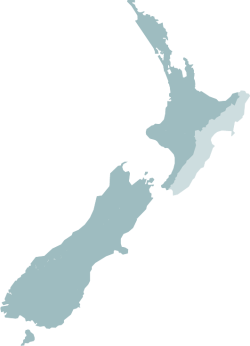 What we heard from those in the East Coast, Hawke's Bay, Tararua and Wairarapa community, helps us understand how services are working to improve outcomes for (children) and (young people) and their .


Nearly half of the youth population in East Coast, Hawke’s Bay, Tararua and Wairarapa are Māori, compared to just over one quarter of the national youth population. We want to acknowledge the (work) by the many organisations in the communities we visited, particularly and kaupapa Māori organisations doing extraordinary work under challenging social and economic circumstances.
In particular, we acknowledge the Hawke’s Bay initiative led by Ngāti Kahungunu through its Enabling Communities partnership with Oranga Tamariki. This initiative is helping make the shift from centralised statutory intervention to iwi and community- led, culturally grounded support. Te Ara Mātua is the pathway to progress this shift. It was designed through extensive consultation with system-experienced , community groups and collectives such as Te Tumu Whakahaere o Te Wero.
Te Ara Mātua provides early intervention and whānau integrated support services to limit involvement with Oranga Tamariki. We heard the Hawke’s Bay community is highly supportive, but there are different understandings of how best to implement it. It has shifted how the community considers and responds to child protection concerns, which has come with some challenges but also shows what is possible. The about the different experiences of implementing Te Ara Mātua is featured throughout this share back.
The main finding of our latest (2024/25) report, Outcomes for and Māori and their whānau in the oranga tamariki system, is that more must be done to respond to the needs of tamariki and rangatahi Māori to address the impact of over-representation in the oranga tamariki system. It identified that successful iwi-led initiatives and strategic partnerships need to be the base for broader long-term change, and this should happen faster.
Before we visit a community, we request data from Oranga Tamariki and NZ Police to help with our planning. This data provides the context for our visit and highlights areas we may need to look at to understand what is working well or what might need to change.
As with all our reports, data is just one part of the overall picture for your community. The voices of , , and , and those like you who support them, are at the centre of our .
Who we heard from during our visit to East Coast, Hawke’s Bay, Tararua and Wairarapa
| 52 | tamariki and rangatahi |
| 41 | whānau |
| 47 | caregivers ( includes 25 whānau caregivers) |
| 119 | representatives from kaupapa Māori / organisations / strategic partners |
| 87 | Oranga Tamariki kaimahi |
| 14 | Open Home Foundation kaimahi |
| 48 | Police kaimahi |
| 128 | representatives from other government agencies |
| 88 | representatives from other non-government organisations |
Information about how we analyse what we heard can be found on the What we do page.
Funding and Contracts
- Decisions on Oranga Tamariki contracts for community organisations are made at National Office
- Some contracts are being allocated to community organisations who don’t have enough capacity or experienced kaimahi to fulfil them
- Services piece together funding from many sources to run programmes
- Outputs-based contracts restrict how community organisations operate
- The Social Investment Agency reviewed several programmes under Oranga Tamariki early support and prevention services
Reports of concern
- Professionals only make reports of concern when they have serious concerns about the safety of tamariki and rangatahi
- Professionals feel their concerns are not taken seriously enough by Oranga Tamariki and the threshold for action is too high
- Delays at the Oranga Tamariki National Contact Centre impact the local response
- Individual relationships support shared understanding and responsiveness to reports of concern
- Multi-agency initiatives and panels aim to address the threshold gap between notifiers and Oranga Tamariki in a more systemic way than fragile individual relationships
Access to disability services
- Diagnosing disability can take years, delaying support for tamariki and rangatahi
- Even after a disability diagnosis, support for disability needs is not certain
- Oranga Tamariki is trying to manage the demand for residential care placements for disabled tamariki and rangatahi
The primary strength of the region is practice that is highly relational and sees and within their
Ways of working with tamariki, rangatahi and their whānau varied across organisations and practices but had common elements centred in te ao Māori.
- Supporting the whole whānau, not just tamariki or rangatahi.
- Focusing on whanaungatanga as the basis of good practice.
- Using Te Whare Tapa Whā to work holistically.
- Ensuring tamariki and rangatahi have opportunities to be connected to their whānau and culture.
Māori and social services recognise that supporting the whānau as a whole gets better outcomes for tamariki and rangatahi
There are a high number of Māori and iwi organisations supporting whānau in the region. We heard that Māori social services support all members of a whānau they come into contact with, because this holistic practice leads to better outcomes for tamariki and rangatahi.
“Our practice approach is about a holistic approach. Looking at how we can support the whole whānau. The foundation that I see is when visiting whānau, [caregivers] are looking after tamariki. But who is looking after the caregivers? [Caregivers] have to do grunt work, they have to deal with the night terrors, they get everything that comes with tamariki. It is important for us that we look after them in that space, and that looks like whatever it looks like.” – iwi social service kaimahi
“We get repeat [whānau coming to the service]. Also, the thing is that we work on the same holistic level. Not just talking about the person, you are talking about the whole whānau. You have to consider the baby in the whare, the nanny, the koro that are part of this whole thing. So, we don’t say one [whānau member]. It’s one and all. We also work on the basis of honesty. You need to do your part for things to happen, for things to change. We will push to support them until they realise they are not ready. We will always leave our card so that they can come back, and they do.” – iwi social service leader
“We are a kaupapa Māori organisation, so the connection with whānau and community are important. A lot of them [rangatahi] have trauma from care and protection or youth justice spaces. They have left the government system and don’t trust it. We work under a whānau ora lens.” – Māori social service leader
Whanaungatanga is essential for better outcomes
Kaimahi across almost all organisations emphasised the need for whanaungatanga. Kaimahi reported that having a good relationship with tamariki, rangatahi and their whānau, built on trust and connection, was essential for whānau to be open to support.
“Connection is a massive thing. When we engage with whānau, we try to build the trust and relationship, and things naturally come, that’s how I’ve been working with [whānau].” – NGO kaimahi
“The baseline foundation is whakawhanaungatanga with the whole of [region] – connecting with you, [and you] with us – so that we know who is best suited with our whānau. In turn, developing the trust that [whānau] understand we are a trustworthy service to come in and actually share [their] because that stigma has been such a massive thing, because it’s always been about tamariki first. But having a space for the whole whānau to come in, have a chat and a cup of tea. We provide wānanga and education if they are wanting to, that’s kind of the gist of it.” – health leader
“I think spending time with tamariki, rangatahi and whānau, kanohi ki te kanohi is important. They don’t like phone calls and emails. It’s a lot easier to engage and meet parents face to face. If [whānau] are anti [Oranga Tamariki], we get to meet and smooth things over. Listening to what they are saying and being tika and pono. If you engage with them, they will engage with you. If you treat them nicely, they will treat you nicely. Very rarely [whānau] will treat you like shit after you’ve treated them nicely and that trickles down to their children as well.” – Oranga Tamariki kaimahi
Kaimahi recognised that without whanaungatanga, the work is much harder or not as successful.
“The key to success and positive outcomes for clients is that a strong relationship and partnership is formed with whānau, caregivers and tamariki.” – NGO leader
“Whanaungatanga is the key. If you don’t get that right, you don’t get anywhere.” – Māori social service kaimahi
We also heard that having shared whakapapa or existing relationships can help whanaungatanga, allowing for faster progress towards positive outcomes.
“I believe our whakapapa connections give us an inside track to be able to manage things that the likes of Oranga Tamariki can’t, because we have a more personal stake in the outcome. We must remember that regardless, we ensure we are working with our rangatahi to realign them to our [Māori] practices. My connections to whānau within this space we are working in is a huge advantage. I have only been in this space for a few years – our success is a lot greater than what they [rangatahi] were getting from Oranga Tamariki because when we speak to certain tamariki, they’ll say, ‘oh that’s my koro, that’s my …’ and we make connections. It puts them [rangatahi] at ease, we identify we are whānau.” –iwi social service kaimahi
“We have existing connections with whānau either through our own whakapapa or through our connections within the community, which are built over time outside of our . That has been a strong point for us … Often you are either related to them, or you know the whānau through sports. Could be your children are in the same [sports] team with their children. [Town] is a small community.” – NGO leader
Short contracts and social worker changes can negatively impact whanaungatanga
Building trust often takes time but it is necessary so tamariki, rangatahi and their whānau are able to feel comfortable and share their stories with professionals. We heard that working to tight deadlines, having short contracts and staffing changes can hurt relationships and hinder progress.
“[We only have] 12 weeks to build the relationship. Then [once you have] gained trust [the whānau are] on board, but then at 12 weeks [the programme] ends. A lot of Māori people work with relationships.” – NGO leader
“… The biggest barrier is building up the trust [of tamariki] to be able to speak to people [about their stories], then … their social worker is leaving – some kids are having six to seven social workers in a year. It’s not always down to social workers leaving, it’s also leadership changing social workers over [internally]. From our side, we have caregivers who might understand [when change happens], but a child will be not wanting to go through [their] story again. There seems to be a consistency required, just because a social worker doesn’t want to work on the case, they’ve been taken off, which has been happening [frequently]. It’s not fair to the child and caregiver. We can’t say the social worker doesn’t want to work with you, it’s not best practice.” – Oranga Tamariki kaimahi
“Another challenge in the family group conference space is the turnover in social workers. You might have a change of social workers and all they know are the notes they’ve been given but there’s nothing, and social workers just go off what they’re reading. Meanwhile, things have changed so whānau are frustrated.” – iwi organisation kaimahi
“If you have more time, you can build a relationship. If you don’t have a relationship, you cannot have influence and then what is the point.” – police area leader
“[It’s hard to navigate tension between te ao Māori approach and timelines] when the court has a time limit on us to produce the plan. But it’s the wraparound before court we support with. Although our numbers are like this, it’s more pastoral. It is a time thing. We’ve got rangatahi who don’t want to come off curfew [because they don’t want to go back to the environment that influences offending], but how do you put that in front of the judge? They’re [rangatahi] asking, ‘how do we stay on this [programme]?’. You don’t want that, but the reality is that’s their world.” – iwi social service leader
Kaimahi use Te Whare Tapa Whā to work holistically and meet all needs of tamariki, rangatahi and whānau
Kaimahi from iwi social services, Māori social services and often mentioned the use of Te Whare Tapa Whā as a useful holistic framework for their practice. We heard how kaimahi use Te Whare Tapa Whā to check in with tamariki, rangatahi and whānau and ensure needs covering the four walls of the whare (physical, mental, spiritual, and whānau) were considered in support planning.
“Our form we use when we meet with whānau uses [Te Whare Tapa Whā] to assist on what they want to focus on.” – NGO kaimahi
“I use Te Whare Tapa Whā as a check-in tool. I also use it to support our goals. Just checking in on [whānau] overall wellbeing. Any issues that might come up under any taha [aspect] of Te Whare Tapa Whā is sort of that focus for the week, month – however long it takes. That’s how I support them. Just identifying any issues they might have. Walking beside them. Not doing the work for them, but collaborating where we can, to try and make things better.” – Māori social service kaimahi
“We can refer whānau to another service to reach their aspirations based on the Te Whare Tapa Whā model.” – iwi social service kaimahi
“We use a lot of te reo Māori kupu [words] and karakia around the kids – at the beginning and end of the day. All of the kids I would easily say … are confident and they know exactly what Te Whare Tapa Whā is, and self-aware of Mātauranga Māori because they use it every day. That’s their check in every day.” – Māori social service kaimahi
Opportunities to connect with whakapapa provide tamariki and rangatahi Māori with identity, community and knowledge
Kaimahi from a wide range of organisations across the region, recognised the significance of whānau and maintaining and supporting whakapapa connections as part of working holistically.
“We will always find the whakapapa for the families that we are working with that are connected to Oranga Tamariki. If the social workers don’t know who they are, they look wider. Whānau come from a wider than just mum and the father.” – iwi social service leader
“Pepeha [is usually] included in [tamariki] folders, if they have come through the oranga tamariki system. If we don’t get that information we will go searching for it ourselves because we think it’s absolutely important for our tamariki to have those [connections].” – NGO leader
“We make sure [tamariki and rangatahi] have contact with whānau. We try to match with caregivers and strengthen their whakapapa, marae and maunga.” – Oranga Tamariki kaimahi
“[Child] was playing up, using drugs etc. [Child’s] parents had passed away. Our kairaranga ā-whānau got involved and talked to another kairaranga ā-whānau. Out of nowhere, the kairaranga ā-whānau found a [relative] that this kid never knew. The young person was connected with the [relative], and then all the offending and everything just decreased. [They were] so close to coming into care. But because [that relative] was there it changed the trajectory.” – Oranga Tamariki site leader
We heard how hard kaimahi work to ensure tamariki and rangatahi have access to their wider support networks by connecting them with their iwi, hapū and marae. These connections give tamariki and rangatahi a greater sense of identity and community.
“Discovering it, that’s awesome! It changed him a little bit really. Now he’s like, ‘I’m Māori!’ or ‘what’s my marae?!’ I say ‘I don’t know yet, but we’ll find it out’. But we know the best thing, finding his iwi and saying to him ‘you’re Ngāpuhi!’ It makes him confident.” – group home kaimahi
“At the end of our wānanga I get everyone to fill out our assessment and evaluation form. It comes out in those, caregivers say how good it [connection to whakapapa] was and how important it is for our mokopuna to know where they come from. I feel it’s really important for them to make that connection. It’s hard to explain, but all their tūpuna [ancestors] are there and taking them on [their marae]. So if they didn’t know beforehand, they know now. [Tamariki and whānau] give me a hug because of the spiritual connection they’ve had. I do the karanga [to welcome tamariki and whānau onto the marae], following that I always have whakawhanaungatanga. A lot of our kids are disconnected, so it will help to connect them so they don’t have to go down a track where a lot of other young people have gone down. I haven’t worked with older kids yet, I do know there are families that I will eventually be working with. I feel connecting with them will bring a lot of healing. All the kids we’ve had so far have never had the connection. Most of them haven’t had that experience.” – iwi social service kaimahi
“We have a social worker for [caregivers] as well and all cultures not just Māori, Pacific Islanders as well. We make sure foster parents bring it into daily life [for tamariki]. We need to bring that type of thing in for a sense of belonging.” – NGO kaimahi
Connections to hapū, iwi and marae also provide tamariki and rangatahi with opportunities to learn more about their ancestry, local area, language and culture. They can also learn skills such as collecting and preparing kai (food).
“We like to focus on [Tikanga Māori]. We have a staff member that has a boat and he takes our kids out gathering kaimoana. He educates our rangatahi about the size of kai, safety, their limits and bringing them back with the kai to share to their whānau.” – iwi social service leader
“[We] created another wānanga to connect to the environment like skills in the māra [garden] to learn sustainability from the marae. I took eight rangatahi with me. Those who attended the wānanga had massive changes.” – Māori social service kaimahi
“Going back to whakapapa and those connections. Just within our building – [it’s] really easy for us to get on the phone with the rangatahi and whānau and say, ‘we can give a pepeha workshop and take them out to the marae for the day, go for a fish’. For that it’s real easy, but our boys have been so disassociated [from our culture]. Not as fortunate. For example, I live in the village, whereas they’ve [rangatahi] known this other life and are a bit disconnected. They may know their roots but don’t know what it’s like to be around an actual community who want to see you be loved and see you thrive. There is a gang side. They might know what street they are affiliated to. But the boys who are interested who want to go [to their marae], it’s quite easy to do. Like the boy [I spoke of earlier], took him to the river. [He] comes from the same line I do … So [for me it’s about] having a bit of whakaaro around the importance of whakapapa and identity and connection around iwi Māori.” – iwi social service kaimahi
Tamariki and rangatahi Māori value being connected to their culture and caregivers encourage those connections
Tamariki and rangatahi Māori told us visiting their marae brings them joy and pride as they learn their whakapapa. Some tamariki and rangatahi also told us how they love learning te reo Māori. We heard from others about connecting with their culture through learning kapa haka, mihi, karakia and waiata.
“We go to papa’s marae. He takes us every weekend to help clean up around the marae and in the urupā." – rangatahi
“We talk about whakapapa. We talk about our ancestors. We have all the photos up on the wall, so we are connected.” – rangatahi
Caregivers echoed the importance of connecting tamariki and rangatahi with their culture and found ways to encourage those connections.
“Helping the kids to be proud of their culture is important. I can’t speak te reo Māori. If [younger child] wants to, I would like her to join the Samoan culture group at school so she can know about her own culture. [Older child] is Māori, we do use some words, and they come home with new words.” – whānau caregiver
“Ngāti Porou organised a hononga [connect to marae] we came together and her brother came. They were given their own korowai and whakapapa to her marae.” – whānau caregiver
Te ao Māori practice is supported by leaders, advisors and champions
Across the board we heard that te ao Māori practice was supported by leaders. Kaimahi shared examples of things that made a difference including hearing Māori voices on their leadership teams, managers who supported training opportunities and kaimahi who set up their own initiatives to build capability within teams.
“Our senior leadership includes Pacific and Māori leaders who bring that cultural lens at our top operational management level. We have a strong Māori focus within our service.” – health kaimahi
“We have a strong Māori leadership here … That’s a real strength to the office. Māori kaimahi are also scattered in the office. We lose the graduates though. We have a strong cultural face.” – Oranga Tamariki kaimahi
“The rōpū Māori is active in the organisation and gives us explanations in how they use the pou and get inspired.” – NGO kaimahi
“[We’re] pretty lucky – times have changed with police, and we are starting to catch up, being more aware of whānau Māori and the support and resources that we need. Good to have that leadership backing and driving it from the top down. If I don’t have the resources, I will create it myself. And my [whānau member] is a teacher so she will help me out if I don’t have it, I will create it myself if I can’t get it. You can always ask for more. I would love to have more resources. And at the same time quite grateful for what we do have. We don’t want to be the only ones that [whānau] call – who have the relationship with community, we want all our staff to have that. If we leave, we want these initiatives to keep going and continue on.” – police area leader
Oranga Tamariki site leaders felt supported by their regional commissioner who supports them to embed te ao Māori into their work.
“We’ve been really spoilt with our regional commissioner in this space. There are quite a lot of gatherings, regional and site hui, around strengthening our cultural understanding. It is woven into everything. It is constant. It is blended into what we do and say, there is cultural advice on tap. There are lots of people who are only a phone call away. It surrounds us.” – Oranga Tamariki site leader
“Regional commissioner recognises mirimiri and going to Māori healers. I will go straight to her to get funding for things like that. I’ve been challenged by a judge around kapa haka and mirimiri [as he believed that they] weren’t forms of therapy, so I had to do a bit of research. [Then] I went back to court and produced that [showing] for Māori it helps them heal, it might not stop rangatahi from offending, but it reduced offending.” – Oranga Tamariki site leader
“It helps that we have a regional manager that supports the way we are and how we work.” – Oranga Tamariki site leader
“At the centre of all of that, and trying to move to child-centred practice, is your core centre leadership and how do you nurture a position of the leadership that you’re on the right kaupapa and in a culturally sensitive way. Children coming into care are predominately Māori. How do you ensure people are engaging with Oranga Tamariki in a way where our kaimahi are engaging with our whānau, and it’s open and respectful.” – Oranga Tamariki regional leader
Te ao Māori practice is also supported by kaimahi
Kaimahi Māori shared how they naturally embed te ao Māori into their practice and find connecting with whānau easier. Local knowledge also supports connecting tamariki and rangatahi to their culture, iwi and marae.
“For me, because I am Māori, live Māori. I am from this rohe, I have whakapapa across the East Coast too, it’s me.” – Oranga Tamariki kaimahi
“Most of us were raised here, in a te ao Māori way, with our whakapapa behind us.” – NGO leader
“We have a 90 percent Māori workforce.” – health leader
“When kaiāwhina are from our area, they have links to local iwi and other important contacts in the community. When they’re not from the area, it is much harder building relationships on top of the regular workload.” – NGO kaimahi
A couple of caregivers spoke highly of Māori social workers who they were working with. We heard that these social workers are relatable and can provide better support which meets their cultural needs.
“It is easier, they [Māori social worker] know and they just understand values without me having to explain it. They just know what I mean.” Page 17 – whānau caregiver
“The Māori social workers will do rongoā [traditional Māori medicinal practices] to help me relax. To take care of my whole hauora. I find that helpful.” – whānau caregiver
There is an over-reliance on individuals to hold the cultural knowledge rather than having widespread competency
We heard that some kaimahi were go-to people in their organisations for cultural support or felt relied on by others to support their colleagues because other staff lacked cultural competency.
“We lost our cultural advisor. People who can make relationships with other people that is really what we need. Quality people are important, who value relationships.” – health kaimahi
“We have been on a hiring freeze for Māori health ... I think it’s doing our tamariki in CAMHS a disservice because they are screaming out for help and we only have one person [and she’s in a dual role].” – health kaimahi
“The pressure comes for me when I’m the only Māori and people look to me for guidance.” – Oranga Tamariki site leader
Some kaimahi Māori told us they feel responsible for holding kaupapa Māori knowledge, supporting their colleagues and maintaining connections across agencies.
“Without having relationships with key people in key agencies, how do we broker the work? It’s very very difficult. In our space, everything is relational. People come to me. Why? Because I’m Māori ... The reason I say this is that everyone has their established relationships but when they’re looking for advice and how do we bridge the gaps? Yes, we’re transitioning to be bicultural, but in a predominantly colonial construct that is monocultural. They come to me for the kaupapa and the kōrero and I bridge some of these ideas and plans and how we do our work.” – Oranga Tamariki site leader
Training and opportunities to embed learning can lift practice
We heard from professionals from a wide range of organisations about improving their cultural competency through organised training courses, noho marae and reflective sessions. Examples included learning te reo Māori and tikanga and about Te Tiriti o Waitangi, historical events and the impacts of colonisation.
“We have a cultural workforce advancement programme here, which includes wānanga once a month. Our team has covered te reo Māori, mihimihi, waka ama, rongoā māori [traditional Māori medicinal practices]. Whether kaimahi are Māori or not, I am so lucky to have these learning opportunities. We have a kōrero once a month, a reflection session on practice too, on our own biases on culture and current events ... which is very helpful.” – health kaimahi
“Half an hour is put aside for waiata. We take turns to lead, and space to learn te reo Māori and how to pronounce kupu [words] properly. It was one half hour. Now, it has been increased ...” – Oranga Tamariki kaimahi
“We had the marae day this year and some of us were a bit nervous about being in a different environment, away from family and just out of our comfort zone, but it was awesome and [marae] incorporated our values. [Marae] also showed us the signs ... from a Māori way on how this family is linked [iwi, hapū, marae], how to view a case or family and be respectful to the family and what’s important to them.” – NGO kaimahi
“All our staff is doing a cultural competency [course], through Te Wānanga. This is a series of online sessions of te reo Māori, tikanga and te ao Māori. We had two noho marae in this area and two in the East Coast." – NGO leader
“I recently completed a leadership course. They did a project called The Wall Walk [course about Aotearoa history with a focus on colonisation through Māori and Crown relations]. Helping organisations understand the history of Māori and connections. I recommend this to our staff to take part and experience how this course is delivered. We receive a lot of hate when we engage in the community at times. At this organisation, police need to learn the history for us to understand what people’s concerns are. That has never been the focus previously. There has been a shift and change of direction and understanding in what our leadership looks like. The online training, my perspective is, it enriches our knowledge with diversity. We become more cautious in how we speak. It is a good course for our organisation.” – police officer
Kaimahi want more training but need dedicated time and inperson learning
Some kaimahi from Oranga Tamariki, Police and the health sector would like more training to learn te reo Māori and tikanga.
In some cases, individual kaimahi step outside of their substantive role and facilitate learning opportunities for other kaimahi where there are none.
“I don’t think we have funding for [learning] te reo Māori, but it would be very helpful." – Oranga Tamariki kaimahi
“I’d like [frontline officers] to get more training about our tikanga, and our processes and what iwi are doing in [this area]. We have some champions on the frontline who do incredible mahi in our space too. One of [the things] we are looking at improving is getting our staff to pronounce our Māori local names properly, because if you pronounce it the wrong way it can mean something different. Making an effort to pronounce Māori names properly – it may sound like a minor thing, but it means a lot to our people doing that. I put an initiative together – Māori place names and how to pronounce that properly and the meaning behind that name so they can pronounce it better. The feedback from staff has been amazing. And I hang them up around the station and it’s there and they can look at it.” – police area leader
“We don’t have enough [kaimahi]. I’m not making excuses. We want to go to kaitiakitanga training or bicultural training … but it’s about whakatipuranga [intergenerational sharing of knowledge and wellbeing]. We have one kaimahi who does training, which she does outside her role.” – health kaimahi
We heard that some kaimahi found the training too basic, and some would have preferred to learn in person instead of online.
“It’s tokenism to be honest. It’s online and I don’t really think online training works. It’s just my opinion.” – police officer
“Cultural safety training isn’t seen as important and never has been. In our online training platform, you can do workshops and it’s not a human interaction.” – health kaimahi
“It’s surface-level training, we go through online modules as a group. I enjoy that because of discussion that it generates. For me personally, I rely on my colleagues that’s where I’m safe to have open and honest conversations and learn, to reflect, understand and broaden my learning.” – Oranga Tamariki kaimahi
A couple of Oranga Tamariki kaimahi across different sites said their capacity and high caseloads meant they didn’t have time for additional training.
“[Cultural competency training] is also time-dependent – we are so hamstrung with time. I would love to be doing a course, but I have so many cases. When we get asked [about doing training], it’s like cultural competency or complete our case notes? Which do you choose if don’t have enough time.” – Oranga Tamariki kaimahi
“We get opportunities to do training, but we can’t [do the training] because we have our own work to do. There is [the] opportunity to get involved with iwi, but we don’t have time because we have work to do.” – Oranga Tamariki kaimahi
Some kaimahi would also like more tools to work with other cultures
We heard that some kaimahi felt confident working alongside whānau Māori but did not have resources or knowledge to work effectively with Pacific families, and families from other cultures.
“What they are not good at is working with Pasifika. Pasifika need a different model. They have respect for church and respecting elders. They bring the child in and sit them in front of whānau and they don’t talk because it is about respect and that is their culture and respect is important. They are not very fluid at changing their model of practice that is based on a Māori model but then bring that into other cultures. It is the same with Indian families. It is very one-dimensional in terms of culture. The site manager can’t see that there are actually other ways. I know they butt heads. There are people [being] trafficked through the Pacific Islands, and [Oranga Tamariki] have … a [kaimahi working on this] who is amazing and it’s phenomenal. [The kaimahi] butts heads with local Oranga Tamariki kaimahi because they don’t get that there’s a different way to do it with a different culture. It is a massive problem at their site.” – police officer
“But where needed we lean on our own people who have that knowledge. We had several incidents where we had a Samoan family where harm was occurring, they wouldn’t interview [with the police] so I had to lean on my Samoan-speaking staff to be able to support. There is no point in me going out and trying to speak to people if it isn’t going to go anywhere. We acknowledge our shortcomings and try and get the right people in the room to support whānau.” – police area leader
“The only thing that’s missing [is] working across other ethnicities. We have to self-source that.” – Oranga Tamariki site leader
“I would like to see the development of resources for different cultures.” – NGO leader
We heard from a rangatahi that they would like help connecting with their Pacific culture too.
“We do haka, we sing and if don’t want [to do] haka, we were pushed to do it. It’s very well supported. But not on my dad’s side. He’s half-Tongan and we have that Tongan culture, but I do not know much about it. We do not know. No one is supporting us around it [Tongan culture].” – rangatahi
Te ao Māori practices are not always valued by contracts or organisations
Despite the strong support from local leaders, we heard some kaimahi felt they couldn’t incorporate te ao Māori into their practice because they thought government agencies or people making funding decisions wouldn’t approve.
“Some of these contracts change how we behave and act if we want that pūtea. How do we make it work with our and tikanga? Are [funders] going to determine how we do things? We have to abide by the contracts if we are getting their pūtea, and a lot of [the contract provisions] do not align with tikanga Māori. For some of us who are tūturu, we uphold the pou like doing whaikōrero and [upholding] kawa. It looks like we are culturally together, but you have a contract that governs us by policy, and it doesn’t sit [well] with me. How can you be a kaupapa Māori organisation if you are led by government contracts? We have those Oranga Tamariki contracts, Te Whatu Ora contracts and they’re taking over how we are as Māori. We have to make adjustments and we get tested in our own space. We are [raising these tensions] to our managers as kaimahi. Sometimes a new policy comes in, and it overrides the kawa and we’re like ‘oh, hold on’ … You feel like the tokenism as a Māori is real.” – Māori social service kaimahi
“It’s very much that the higher ups [government] don’t tolerate it [learning and embedding te ao Māori practice into their work]. It’s not Police business and it is your own responsibility if you are wanting to do that and everyone shouldn’t be at pōwhiri because that’s not core policing.” – police officer
“We have one family harm contract in Central Hawke’s Bay. Those changes to legislation impacted our workload. The social worker [for the family harm contract] has a 3-month waitlist. We have to do more intervention work now. And when we want to refer Māori for a kaupapa Māori intervention, we can’t. I want to send tāne to [a kaupapa Māori men’s program] which is a group for men run by men, but it’s only in Hastings. I can’t [send men there] because we don’t have resources, and to transport one person to one course in Hastings is not seen as a wise investment. But it [the programme] would have an intergenerational impact. Instead, [we] send the [Māori men] to a mainstream ‘men against violence’ programme and [it] doesn’t hit the cultural needs.” – Oranga Tamariki kaimahi
“[We were] invited as [an iwi-led community project] partner to participate in something they developed. [What they] measure ... [there is an] element of colonisation in that. As independent Māori providers [we want] motuhake [autonomy]. We have seven Māori midwives. [They have the] skills. They know whānau in a way others don’t [and they] do not have the privilege others have. To be inserted into the programme doesn’t work. We were never a part of the planning. Their planning is [not] about [us] being part of their planning. They plan and design then invite us to be part of the service. I don’t believe they give providers agency. The respect, the acknowledgment that we know more that [than] you [do] about this.” – health leader
“Sometimes our system doesn’t fit with culture. Culture is required to fit within the system; it’s the wrong way around.” – Oranga Tamariki kaimahi
Some kaimahi felt that the health sector is still reliant on western models of thinking, while other kaimahi tried to compensate for that in their individual practice.
“Kids get lost in systemic issues. And rangatahi Māori are not accommodated in a bicultural world. The metric tests [for psychological screenings] are from a western lens. We might get better recommendations for courts if these came from a Māori leans." – Oranga Tamariki site leader
“We bring in a cultural lens to our mahi because we are aware that some of us are white people, in a very western health system. We make sure that we are culturally competent and can work safely with whānau.” – health kaimahi
Community organisations are navigating through many changes in how they are funded by government, including the:
- 2024/25 Oranga Tamariki contracting round
- introduction of commissioning in Hawke’s Bay
- review of several Oranga Tamariki programmes by the Social Investment Agency.
Decisions on Oranga Tamariki contracts for community organisations are made at National Office
Local Oranga Tamariki leaders said that decisions about contracts between Oranga Tamariki and community organisations are made by the Commissioning and Investment group at National Office. This limited how much local leaders could use their local knowledge to get the right mix of services in the region.
“The whole idea [behind the Oranga Tamariki restructure] was to give [decision making power] back to regional commissioners for them to use [funding] how they see fit. Then the new government came and stripped it away from [them] … We have no control [over funding decisions] to make it workable for [Oranga Tamariki] frontline staff.” – Oranga Tamariki regional leader
“[Commissioning and Investment] haven’t asked us even once on how we do our work, [how] our social work is meeting what needs. So, we’ve got the people who are making decisions about the contracts that are needed, without actually understanding from a social work perspective the needs of whānau and what do we need.” – Oranga Tamariki regional leader
One local Oranga Tamariki leader added that there was an exercise underway to understand what services were needed in which regions. This will inform future Oranga Tamariki contracting rounds. However, another Oranga Tamariki leader is concerned the exercise process won’t lead to meaningful decisions about resource allocation from National Office.
“At the moment we are just doing a regional needs assessment across the country, a little bit different to reviewing contracts. We make sure that we have data that supports what we are saying. Youth justice, early intervention, care, transition [to adulthood] and family group conference spaces. Those are the five areas that we have to go look what the needs are for our region and what are the data that supports it.” – Oranga Tamariki regional leader
“Regional needs assessments we’ve gone through was a dog breakfast … It was over-prescribed for us and then ignored. A lot of work in a short amount of time [that isn’t then used to respond to local need].” – Oranga Tamariki regional leader
Services in Hawke’s Bay and Tairāwhiti are continuing to feel the effect of the cuts in Oranga Tamariki contracts
Professionals from iwi social services and Oranga Tamariki told us about services that were affected by changes after the 2024/25 contracting round. In Hawke’s Bay and Tairāwhiti, this included services for youth justice, such as:
- education and health assessments
- services for youth justice FGC plans
- youth mentoring.
“One of the things we used to have as part of the family group conference space was education and mental health assessments, but that has dropped off due to no providers [to do the assessments]. [This] is a barrier for young people – especially [the] really young [ones who are not] going through court [and] won’t get screened by the forensic teams. Like my young person has a low IQ and if we don’t know the stuff like that, it makes it really hard for the young person to engage in the [FGC] processes.” – Oranga Tamariki kaimahi
“We only have two providers [in the region] who are both fantastic. Both of these services have lost funding and therefore the breadth of service provision ... They used to be able to focus on the whole service of youth justice and be able to provide wraparound support. They used to be able to stay involved when we closed [the case]. You are asking people to stretch their people and funding to work [with] the same whānau and do everything. Not [just] the specialised service they want to provide. Because they have to stay afloat.” – Oranga Tamariki regional leader
“We have to be creative and innovative for supports because of the limitations. Like organising education and day-to-day programmes, it’s about being creative and if there is a family group conference plan, how can you work through that with limited services? … [It] falls on the social worker to achieve that or the whānau and it’s a barrier and a worry about what you are achieving in the [FGC] plan. Community work isn’t just hours and hanging out and going through the motions, it should be more meaningful.” – Oranga Tamariki kaimahi
“We are living in times when contracts were cut, we lost so many services for wider whānau support, how do we bring back everything together … What’s missing in Gisborne is mentoring [for young people] but not necessarily through OT [Oranga Tamariki].” – Oranga Tamariki kaimahi
There were also changes to prevention programmes such as Strengthening Families.
“We used to have Strengthening Families, and it helped because whānau didn’t have to go to Oranga Tamariki to get support.” – iwi social service leader
We also heard from kaimahi and leaders from a couple of iwi social services about the uncertainty they faced when waiting to find out whether their contracts to operate group homes would continue. In some cases that meant continuing to staff the home while new funding was negotiated.
“We did have two whare. One closed [midyear] last year. But we kept it staffed until the end of [the] year, because we were unsure of what was happening with the contract for it.” – iwi social service kaimahi
“The remand and bail homes are national contracts with a national team … We have lost funding for about 5 months, until bums in seats [contract] was sorted, until we got [the funding] back.” – iwi social service leader
Iwi commissioning is changing the funding landscape for Māori services in Hawke’s Bay
Under its strategic partnership with Oranga Tamariki, Ngāti Kahungunu is becoming the commissioning agent for the partners that support the Te Ara Mātua initiative. Local Oranga Tamariki leaders said that they all fully supported the vision of Te Ara Mātua but had concerns about its implementation and the impact on local relationships they had built up over many years. For example, one local Oranga Tamariki leader said they were concerned about the challenges of no longer being able to work directly with the partners under Oranga Tamariki contracts.
“You’ve got a commissioning service that is a [an additional layer of] bureaucracy. They’ve … added another system layer.” – local Oranga Tamariki leader
Like the situation with the previous Oranga Tamariki contracting round, local leaders said they felt cut out of decision making between National Office and Ngāti Kahungunu as commissioning agent.
“National Office [Enabling Communities] … commit to things and they are far away from practice and not even in our rohe. They don’t consult with our Regional Commissioner, and they make decisions for their people at Oranga Tamariki and now the [Ngāti] Kahungunu region. They actually have no understanding of how they’re making it more complicated for us. It’s taken us 6 months to get that point across and we’ve now been invited to regular monthly with National Office.” – local Oranga Tamariki leader
The local Oranga Tamariki leaders stressed that they trusted the Te Wero partners. They would continue to work with the partners directly under Oranga Tamariki contracts in areas that fell outside the scope of Te Ara Mātua.
“I have a high level of trust [in] the Te Wero partners.” – local Oranga Tamariki leader
“With the Te Wero partners, it’s always been ‘how do we get support for whānau?’ So, at the moment, we’ve just been using our site contracts and sending referrals [to make sure providers are funded to support whānau while Te Ara Mātua is being established].” – local Oranga Tamariki leader
The new approach has introduced changes for Te Ara Mātua partners that need improvement
In Hawke’s Bay all referrals to Te Ara Mātua partners go through the commissioning agent, Ngāti Kahungunu. Some community organisations and Oranga Tamariki kaimahi are concerned this centralised process is less effective than talking to providers directly.
Kaimahi told us the current communication process prevents them from:
- getting fast access to services
- getting fast responses to referrals
- receiving referrals with the right information.
“We are making decisions going forward and we can’t be innovative. What about the kids that are coming through with complex care? … What we don’t want is the referral to go to [commissioning agent]. Why can’t we have all of the information? What we are experiencing here does not value us as a whānau and what we can contribute.” – NGO leader
“[The barrier is] communication. It has to be transparent and clear. We have referrals, but they’re not coming to us. When the follow-up with was done [with the referrals], there’s no answer. We have to have communication from [commissioning agent] and why it’s [communication] happening or not happening.” – Māori social service kaimahi
“We can’t talk to them or share information with them because they are in the Te Ara Mātua realm. That is really, really tough. I think what we should have done is go straight to providers [with information]. Because I provide support for caregivers across the region and in the other areas we do that. I think it should have been allowed to continue here as well.” – Oranga Tamariki site leader
Some contracts are being allocated to community organisations who don’t have enough capacity or experienced kaimahi to fulfil them
Some Oranga Tamariki kaimahi and health and Māori social service professionals are concerned some providers are given contracts but lack the capacity or expertise to fulfill them.
“[Māori service provider] has always been the provider for youth justice … They have a huge amount of experience and knowledge in youth justice. Then they jump over the fence into care and protection and they’re out of their depth. They’re in catch up … They just don’t have that [social worker expertise] in their organisation.” – local Oranga Tamariki leader
“There were six to seven kids on the books and when [a case] is not straight forward, [iwi social service] are out of their depth and they don’t take responsibility. An 18-year-old needed help to get on a benefit. Our social worker did this so the foster family could get financial help. [The iwi social service] weren’t proactive. There should be lots of planning regarding transition into residential care.” – NGO kaimahi
In the Hawke’s Bay, professionals feel Te Ara Mātua should be supporting providers to build their capacity before giving them contracts.
Across the region, we heard concerns about some , , and whānau covered by these contracts not always getting the support they need. This includes:
- professionals re-sending referrals multiple times before a child receives support
- services taking too long to engage with whānau
- whānau not receiving needed plans or services.
“[Community provider] has got the FGC contract. The FGC contract is a difficult one … The issue then becomes the people that are being held accountable for that … When we go to court, it’s the Oranga Tamariki social workers that are coming under heavy criticism for things not happening. The ultimate loser is the whānau because they are waiting for a plan and they’re waiting for the opportunity to be able to plan and have a plan with their tamariki.” – local Oranga Tamariki leader
Iwi and Māori services need more support when contracting to set-up care placements for the first time
We heard from some iwi and Māori social services in the region that it was difficult to get enough support upfront from Oranga Tamariki when contracting for new care placements. This was particularly true when tamariki and rangatahi had high and complex needs.
“It’s like we are doing statutory care and pastoral care, and we go above and beyond. OT are not paying us to do more, but they are also allowing other guys [organisations] not to be doing what they should … We had a very high needs [child], out the gate, but no extra funding, only funding as a part of bednights.” – Māori social service leader
“We are recruiting [caregivers], we want to provide a [care placement for a rangatahi with high and complex needs]. First time we are doing that. [Another local iwi social service has] done it, [but] this will be our first time … [We were] not really supported, it was like ‘we need you, now do it’. And it was ‘nah wait, not till you train [kaimahi]’, [we] don’t want [the home] to fall over.” – iwi social service leader
An Oranga Tamariki site leader noted that there was an overhead cost to establishing new care placements and then winding them down. They told us that they would prefer to have more permanent care placement options and were hopeful that the regional needs assessment would better identify what care placements are needed in the region.
“The frustrating thing is, why are we creating [bespoke placements based on an individual] child’s needs? As a community, we are able to show there is [an ongoing] need, why can’t we just have the resource there all the time for a kid to roll in and out? There’s a lot of cost going into creating these things, but they are only fit for that [individual] child and when they leave or age out then that resource goes, and then you get another young person with high and complex needs again.” – local Oranga Tamariki leader
Training for kaimahi on how to work with disabled tamariki and rangatahi in new care placements was a particular challenge for some providers.
“Oranga Tamariki has promised us all these training courses [on disability support]. Three years later we’re asking where the training is?” – iwi social service leader
“OT has a weird view on training. Our contracts are level 1 [under the Social Sector Accreditation Standards]. Level 1 we are offered health and wellbeing [training], but we are better doing trauma-informed [training] so our kaimahi are better equipped. But that’s not included in their level 1-4 training.” – Māori social service leader
Services piece together funding from many sources to run programmes
We heard how providers sought funding from a range of sources to support their programmes. This included seeking government funding through:
- Whānau Ora
- Social Investment Agency
- Lotteries
- Ministry of Education.
“Of the [tens of] funding streams we have, [a little under a half] have something to do with OT [Oranga Tamariki].” – iwi social service leader
An iwi social service leader said this was to ensure they could continue to meet the needs of their whānau that they didn’t think would be successfully addressed otherwise. For example, one of their priorities was helping re-engage rangatahi in school.
“We have a kaimahi that helps rangatahi to transition back to school. Once they’re back in the kura, the transition person stays with them, so they are not lost in the system. They stay [involved for] 6 months, other times 6 weeks.” – iwi social service leader
An NGO leader also described piecing together funding from different sources to make sure they could continue to address family violence harm in their community.
“[District] council decided to withdraw its funding. I think, we’re going to DHB [Health NZ – Te Whatu Ora] and [back] to the council for [funding to support] youth for some kind of counselling and health services. No one provides the funding [for these].” – NGO leader
Outputs-based contracts restrict how community organisations operate
In the earlier section on practice, we outlined how iwi and Māori providers find some contracts restrict them working holistically with whānau. We heard similar from community organisation kaimahi who told us how contracts in their current form restricted them when working with whānau. This was because the contracts still focussed on monitoring outputs, rather than on looking at the outcomes achieved.
The contracts also:
- lacked flexibility about who they could work with and for how long
- did not reflect inflation or changes in complexity over time
- did not account for long travel times to visit whānau in a rural region.
All of this made it a challenge to operate in the whānau-centred and relational way they valued.
“Māori are whānau centric. [It works when we are] being creative, [doing] collective , [providing] holistic support. are good at getting mahi done, collective action. [All of this work] goes unseen and unfunded.” – NGO kaimahi
“It’s quite hard when you have government contracts with rules and policies and blending that into a kaupapa Māori organisation. [The Western] doesn’t align with our tikanga. We look at how to bring these [contractual obligations] and guidelines [alongside] our and tikanga” – Māori social service kaimahi
“As much as it’s talked about as outcome focused [the contract is] very much output driven. It says to spend this much on this tamariki in this line and that line in the budget, so it doesn’t allow flexibility … we like to do things collectively in the whare as a whānau. Sometimes we get [asked] ‘Why do you do it like that?’ We are trying to operate as a normal whānau setting” – Māori social service leader
“We do what can we afford to … We are onions – we peel away layer on layer of issues like domestic and financial. The environment is [now more] complex, but the contract hasn’t changed. The contract doesn’t recognise the need and complexity. We can’t afford to bridge that gap [and provide services that are not funded].” – NGO kaimahi
“[Outputs-based] funding is ridiculous [for] our rural scope. Travelling out to remote places that will take half a day. If I had an FTE contract, I won’t be feeling as pressured.” – NGO leader
When government agencies are flexible within outputs-based contracts, community organisations can better support whānau
We heard a couple of examples where community organisations used funding from multiple contracts to resource their work. This meant they could support whānau in the time and place that suited them.
“We are contracted for [several FTE] social workers in schools across [several] schools. Early on, we noticed a gap in the contract [through Oranga Tamariki]. It focuses on supporting tamariki at school, but many of the needs are at home. That doesn’t align with how we work with families ... Because of this, we adjusted how we deliver our contract … That reflects the reality of the work. SWiS [Social Workers in Schools] can’t support many families in one day if we only work within school settings ... We also have another [kaimahi] and two kaimahi who provide counselling at school. This funding sits under Ministry of Education contract and helps fill the gap. ... Our schools span rural areas, and that remains one of our challenges.” – NGO leader
Where contracting government agencies supported flexibility, community organisations could avoid service gaps and better utilise funding.
“If we’ve gone over on a target [on one part] and down on one part, we will negotiate to bring over some of those hours or numbers. We’ve just started doing that over the last few years. [A couple of] years ago, we had met our targets by [third quarter of the year], and we were told that’s it until [year end]. There was no more pūtea … so our CEO said no more [providing services]. What we do now is regularly look over targets, what are our hours here, what are our numbers here, and we negotiate." – iwi social service leader
“We make sure the site contract we’ve given them has the flexibility … When you have an under-utilised contract, I would think you’d want them to use the time.” – local Oranga Tamariki leader
The Social Investment Agency reviewed several programmes under Oranga Tamariki early support and prevention services
When we visited the East Coast, Hawke’s Bay and Wairarapa region in February 2026, the Social Investment Agency was reviewing several programmes1 under Oranga Tamariki early support and prevention services. This review followed a direction from Cabinet in October 2025. In April 2026, Cabinet made decisions about the programmes, including transferring:
- Family Start to the Social Investment Agency from 1 July 2027
- Strengthening Families to the Whānau Ora Commissioning Agency system (also from 1 July 2027)
- Workers in Schools programmes to the Ministry of Education (the date is yet to be agreed).
What we heard from you in this visit came from before the outcome of the review was announced. We heard that although the review was “unsettling” for providers, they appreciated the communication from Oranga Tamariki leadership during the consultation.
“At the moment they are reviewing services, the SWiS [Social Workers in School] and Strengthening Families service contracts. That is quite unsettling for providers … Since the review we have seen more of Oranga Tamariki leadership in the last 6 months than I might have seen in the 20 years, as they have been meeting with regional hui. As part of the consultation, I can’t really fault their [Oranga Tamariki] communication. They have made an effort to do their best to appear in person. You get the opportunity to meet with them human to human.” – NGO leader
Community organisation kaimahi recognised that a review of the Social Workers in Schools (SWiS) contract was timely.
“[Our SWiS] contract was written for kids 20 years ago. But now kids have access to the whole world and are self-diagnosing themselves and the behaviour is different, as they’re being told this is what the behaviour looks like. Then we have to have conversations with the parents who are struggling.” – iwi social service kaimahi
“The SWiS contract hasn’t been re-written since it was first developed. Kids now have Foetal Alcohol Spectrum Disorder. When the contract first came out, it was for kids that didn’t have shoes or didn’t have kai, but with today’s kids, they are different. But the contract hasn’t changed.” – NGO kaimahi
However, some were also concerned that the review could lead to funding being cut or an unsuitable model of practice.
“[The reviewers are] looking overseas for models of practice. We have our own models of practice [as] SWiS. Is it [not okay to use] indigenous [models of practice]? Our clients are Māori [and we should be looking at Māori models of practice].” – NGO kaimahi
, , and get better outcomes when organisations work together
Many professionals across the region told us tamariki, rangatahi and whānau get better support when organisations work together. We heard how collaboration creates better plans and supports access to more services.
“We’re not the only service [whānau] need, we’re part of it. We’re the scaffold to get to a certain point. Issues are never just to do with the child. There’s always other stuff. For example, adults with addictions, past trauma, complex things where you need a lot of resources to get to where they can shift." – health kaimahi
“I have a good relationship with [NGO] and their social workers. We noticed that [our two organisations] have an overlap of clients. We work more closely together to ensure the rangatahi we are working with are not receiving the same service from [both of] us.” – NGO kaimahi
When collaboration happens, it is driven by individuals and community organisations, not the system
Professionals across the region told us they make a personal effort to lead cases and drive collaboration with others. Some organisations do this because they feel compelled to support the community. Other kaimahi told us their personal values are to support tamariki, whānau, and caregivers.
“We cross borders because it is our obligation to help – and that builds relationships with people in the service. That is in our culture ... That’s how we work, how we do things, and the [government] system can’t change that. That is the magic, [iwi] are making a hell of a lot of difference. Oranga Tamariki are doing western style in social work, but we are bringing a different lens.” – organisation leader
“I can only speak for me – I just do stuff. I don’t care for people saying you can or can’t do this. I don’t answer to them, unless it involves money. It’s about our people, our māmā, whānau, equity, and being a Te Tiriti partner. If we can’t do that, we’re not in the right job.” – health kaimahi
“We are promoting that iwi have their own , , whanaungatanga and iwi framework. They [iwi] are wanting to bring this back. They need someone sitting here at Oranga Tamariki [to support them]. The policies and legislations can get in the way of building our relationships with our iwi.” – Oranga Tamariki kaimahi
Many professionals across the region told us their inter-agency relationships rely on one person working outside the scope of their role. We heard important relationships can break down if these kaimahi leave their role.
“I’ve been away for about 3 years, and I have been made aware that the relationship with [iwi organisation] has broken down since I’ve been away. But now that I’m back, I have a meeting coming up with the new [youth aid] sergeant and [iwi organisation leader] to introduce them and go re-establish what was set up before 4–5 years ago that worked really well.” – police officer
“Yesterday there was a situation that had nothing to do with my team and things went pear-shaped, so people came to me. It took me a couple of hours of my time, but it was easier for me to do this as I knew who to ring.” – Oranga Tamariki site leader
Local connections enable kaimahi to find the right support for whānau and work together with other organisations for a better outcome
Kaimahi told us living in a small town where “everyone knows everyone” helps facilitate wrap-around support for whānau.
“Having those relationships with them [kaimahi from other organisations] outside of work, make it so much easier to forge a strong relationship and to work together in a more professional way.” – NGO leader
“There’s not many people I don’t know in the community. I work closely with iwi and . We all know each other. I have key links in community. The government space [for example] they come together [for hui]. It’s important to have the right person providing services to whānau, rather than having 10 cars up the driveway [many different people and providers].” – Oranga Tamariki kaimahi
While local connections enable better professional collaboration to support whānau, often providers are left supporting whānau without proper resources.
“[Town] is a small community. If you live there, you are from there and you care about what happens. Some partners are not contracted but still contribute because they care. For example, volunteer workers help at the marae, in community work and youth services. Some youth services do not hold contracts with Oranga Tamariki but still support rangatahi. Although there are some safety aspects in [town], [such as] everyone knows where you live and your family, that is the advantage of being in a small town.” – Oranga Tamariki site leader
Lack of clarity about responsibilities can result in organisations not collaborating
Some professionals across the region were concerned that highlevel policies and system processes don’t make it clear who should take charge of cases. Without clear guidelines about responsibility and collaboration, tamariki, rangatahi, and whānau don’t always receive support from the right organisations. They experience service gaps because organisations work in silos.
“We had a recent death, a couple of weeks ago … The system is not supporting children in its care. At least 15 [tamariki] in our service need equipment and not one person is responsible. You can have all of these children, but Oranga Tamariki, Health, Ora, [community organisations] are all not delivering. Not one person [in that group] is able to be responsible, and the system was not flexible to meet the needs of the tamariki in care with significant disabilities. What works well is that all the systems know each other in [region], though it’s the bureaucracy that gets in the way.” – health kaimahi
“I don’t think we are the right agency to be leading [mental health and prevention support]. We are not social workers. We are not trained to do this … We are missing something in terms of getting that prevention work led by the right person and agency.” – police area leader
We heard from a caregiver who told us about their child having many agencies involved in their daily life. Because there was no system for these agencies to share important information between them, the child’s support was disjointed, and they faced risks with their health condition.
We also heard that when community organisations don’t have support to take on risky cases, they can be scared to collaborate with others or take responsibility for a case. Some kaimahi from government agencies were concerned that they are publicly accountable for work that they refer to community, but there is no effective process to monitor ongoing risk when community organisations take on cases.
“There isn’t the level of accountability there that there needs to be [for community organisations]. It has to be another government department [spear-heading earlier intervention work] because we are accountable to someone else, or have a good governance process in place to monitor the agency that is doing that work. It is about understanding risk and good governance for it to work.” – police area leader
“I worked at [iwi social service] before coming here. I can see both sides of the fence, now that I’m on this side. When I was over there it was, ’let Oranga Tamariki do that’. But that’s why we have the contract, don’t we? [Iwi social service] didn’t want to take the blame for the responsibility. If anything goes wrong, Oranga Tamariki will get the blame.” – Oranga Tamariki kaimahi
When community organisations don’t know who is responsible for what, they also don’t know what other organisations provide. We heard that organisations ask Police and Oranga Tamariki to provide services that fall outside their scope, or to provide services that won’t actually meet tamariki and whānau needs.
“I’m currently in an argument with mental health [kaimahi]. They believe putting a kid into residence is the answer. That’s not the answer. They [tamariki] also don’t fit the criteria for residence. There are unrealistic expectations of what our organisation does especially in [city]. We are so isolated. [Other agencies] look at us like Cinderella.” – Oranga Tamariki site leader
“Everyone wants us as police involved … but we want to strip it back. We have a specific role and purpose in society. Government and senior leadership made it clear that police focus on what we can do and do those things well. If we take the example of a young person who shouldn’t be in our custody, but they haven’t got a safe place to go. We can’t just boot those kids out the door. We have to hand those kids over to someone and even though [Oranga Tamariki] may not see the risk in the same way we do, they need to be the ones to assess that and determine where to [place those kids].” – police area leader
“I think possibly it’s a lack of understanding of what [Oranga Tamariki] do in this space … I don’t think iwi understand. We have one youth provider at [iwi social service]. We have really good relationships with the kaimahi there, but for me that’s as far as it goes. I think [the iwi social service] needs some training as an organisation as to what we do.” – Oranga Tamariki site leader
Professionals are overly cautious about collaborating when they don’t know what information they can share
Despite recent efforts from the Privacy Commissioner and government agencies, there is still not a consistent understanding of what information can be shared with other organisations.2
Some professionals across the region told us they receive unclear or conflicting advice about what information they can share under privacy laws. They don’t know what information is confidential. Sometimes, professionals resist sharing information that others need to support tamariki, rangatahi, and whānau. This uncertainty was not specific to any one organisation.
“There are massive barriers with Oranga Tamariki. Sometimes we have to quote the relevant section [of the Oranga Tamariki Act] to get them to share the information.” – NGO kaimahi
“We have issues with information sharing with health because they are so risk-averse because of privacy and information sharing … It means we can’t do enough risk analysis properly and we can’t get the full picture we need for our end.” – police area leader
“These [government privacy and information-sharing processes] are safety mechanisms. There is a perception that those things are not helpful in . We contracted a third party to come in and [do] a privacy impact assessment for our [project]. She had that te ao Māori lens, and that business qualification and information management. She was able to talk about how those two worlds [fit] together. There has to be a harmonising of the two worlds. Te ao Māori was never locked into one point of time. There are some of things from Western frameworks we take and some things we leave.” – iwi organisation leader
A couple of Oranga Tamariki leaders told us other organisations may not understand that judges prevent Oranga Tamariki from sharing certain court reports. Oranga Tamariki can still share summaries and context through other documents, such as All About Me Plans, to help community partners make informed plans. Oranga Tamariki kaimahi can be nervous about what information they’re allowed to share from these reports.
“I know for our partners, it really pulled on them [that we don’t share the psychological assessment report] because we looked like we were the block to the information. It was a yes and no, we were stopped from sharing [the report] so that would probably cause the social worker to be a little apprehensive about what they did with that information.” – Oranga Tamariki site leader
Some organisation-level practices are helping support collaboration
Across the region, we heard about practices that enable “consistent and ongoing” relationships between organisations:
- different organisations co-locating in each other’s offices
- inter-agency meetings
- opportunities to interact regularly, like waiata practice
- official liaison roles.
“Once we did that wānanga [with iwi organisation], our workers were able to talk directly to their kaimahi … If you asked me months ago, [I would have said] the risk was quite high, our relationships [between Oranga Tamariki and the iwi organisation] were getting rocky. The managers and leadership were all on par with each other and work really well together. But at the ground level work, that’s where we were having that disconnect of those relationships. The wānanga was a good space for kaimahi to work together across teams to build those relationships.” – Oranga Tamariki site leader
“Our [kaimahi] sit at other community partner’s desk … I suppose it is about being mindful that we’re not just in an Oranga Tamariki bubble. It helps having other bubbles so we can see what [things] look like and listening into their conversation ... It’s amazing what can come out of that.” – Oranga Tamariki kaimahi
“We have kapa haka on Mondays and Oranga Tamariki come in and kapa haka with us. We have key people at Oranga Tamariki, and they bring their kaimahi to our kapa haka. They invite us over if they have someone new for a mihi whakatau.” – iwi organisation kaimahi
“[At] the bail home, what worked well [was when] Oranga Tamariki had a social worker [officially] assigned to the whare. I could email her and I didn’t have to wait. If we have young people from out of town, we use our database and can find out who their social worker is. I could email her and she will follow up.” – NGO kaimahi
When organisations lack relationships with other services, professionals struggle to access information or collaborate.
“Pathways need to be clear about where to go as it’s too labour intensive for us when there are lots of phone calls to make. It can take 45 minutes out of my day to ring multiple people to try and find out what’s going on.” – health kaimahi
Multi-agency enable collaboration but allocating time and regular attendance is crucial
Many professionals across the region spoke positively about multidisciplinary tables, inter-agency hui, and working groups. These hui:
- bring together people who have the power to make decisions
- enable organisations to ask for or offer help on the spot
- keep organisations updated about what is happening in different parts of their community
- help build relationships.
“In education, everyone looks at it as the burden but often lots of the burden sits with housing. ’What is the housing condition? What is going on in terms of accommodation?’ The 3TW [Tēnei Tamaiti Tēnei Whānau] table is a positive space where we can talk about it and escalate any system barriers as well. Part of the new focus on attendance is what information we have. Then we collate the information and determine how can we escalate [the factors affecting truancy] up, so other agencies can also be held accountable as education is [accountable].” – education leader
“School dental didn’t have a place to operate during school holidays, so we offered our space. It was solved in a matter of minutes. We do that quite often.” – NGO leader
Some police and community organisation professionals told us multi-agency hui take a lot of time. We heard concerns from different hui participants that Oranga Tamariki and health and iwi organisations aren’t attending. When an organisation doesn’t come, they can't provide information or support to make plans.
“We used to have the meeting once a month with the big four – Oranga Tamariki, Health, Education, and Police. And it grew to have other agencies in there to talk about the issues of the kids and who is doing what. But that [meeting] would take all day long, so it just dropped off.” – police officer
“I’m also part of the Oranga Tamariki care and protection resource panel but [the panel] haven’t had any meeting in months as the Oranga Tamariki social worker was not able to attend, she is very busy.” – NGO leader
One education leader told us they offer to lead these time-intensive hui because otherwise they can’t get the information they need.
“The good [practice] for me is the inter-agency meetings. And I believe that schools lead that 90 percent of the time … The inter-agency meetings put pressure on the sector because it pulls people out of their roles. But the reality is that I can’t see, for example, through the health system, whether that child is seeing the paediatrician or not. I need the Oranga Tamariki liaison person there [at the hui] because a whole term would’ve gone by and we wouldn’t have heard anything from them about the kids. But now [the child] is in health camp or there is a plan from an FGC but it’s not being followed, so who do I report that to? I need different people there to see that the child is getting what they need, I don’t have access to that information [outside of the hui].” – education leader
Iwi organisation and police leaders told us they don’t have capacity to attend all the multi-agency governance groups they are invited to. They are unsure if all the different groups are needed.
“Health are creating their own governance group. But we already have [governance group]. It is a waste of time [creating more interagency groups]. This is why we have continued to have this fragmentation of activity, investment and services, because the Crown wants to keep creating all of these power groups.” – iwi organisation leader
“In this region, there is a lot of governance fatigue. There are a lot of groups, things going on. There is [governance group] and all the sub-groups within that, which I’m still trying to understand what they are. It’s like someone has an idea and it suddenly becomes something. And you’re constantly feeling you’re behind the 8 ball, trying to see what they are attempting to understand. Then there is a group over here who are doing the same thing.” – police area leader
One health leader told us they were concerned police have different approaches, which can cause tension when making plans at tables.
“They [police] see things from a punitive perspective. They have a different approach. They are always pushing for reports that allow them to lay charges. Medicine doesn’t always work like that. It works in terms of probabilities and possibilities. It’s not definitive.” – health leader
Professionals only make reports of concern when they have serious concerns about the safety of and
As we have heard in previous monitoring visits, many professionals said that if they decide to make a report of concern (ROC), it’s because they hold serious concerns for the safety of tamariki and rangatahi. Often they have exhausted other options and feel statutory from Oranga Tamariki is required.
“You worry about how safe they [tamariki and rangatahi] are through the holidays, teachers wear a lot. We had two kids with high trauma, they would be in class for and supported by a teacher aide funded by the Ministry of Education not [Oranga Tamariki]. Then you know they are going home to the same thing.” – education leader
“It’s more concerning than just ticking boxes with that child. I sit here and call or email and think ‘what the fuck am I going to do about this?’ This is so scary – it could go so wrong.” – education kaimahi
“This [young person], [another police officer] had done three [reports of concern for them] already, and other officers have done a report of concern. We are worried [they are] going to kill someone or get beat up badly. I told [fellow police officer] to make sure Oranga Tamariki knows mum is looking after a baby that’s been given to her from Oranga Tamariki. We didn’t get anything back from Oranga Tamariki to say we have received a report of concern. I said put the baby in the report of concern, because mum was worried gang members had been going to the house to beat up the [young person]. He got a call back, virtually straight away, because there was this baby that was in their custody in that house. It just goes to show all our other ones are neglected, but that risk got an immediate response.” – police officer
Some education and health sector professionals said making a ROC is a last resort as it can jeopardise their relationship with and limit the support they can provide.
“We work hard to build relationships with parents. You know the relationship is going out the window [when you make a ROC]. You don’t let that sway [the decision to make a ROC] and there needs to be support from [Oranga Tamariki] when you do. I tend to tell parents I’ve done a report of concern. You jeopardise that relationship and trust but safety [is] paramount.” – education leader
“We have had whānau not talk to us because we have spoken to them about putting through a ROC. We always tell whānau we are going to do one before we do it because we don’t want to lose that trust. It is a huge risk for us to do a ROC to Oranga Tamariki because we don’t know how or if Oranga Tamariki will respond. We always do that as team and don’t take it lightly when we decide we have to complete one. We have done that risk assessment of the young person not wanting to work with us, if we do complete the ROC. It means that we have assessed that the care and protection concerns are great enough and that we believe that Oranga Tamariki needs to be involved and we will risk rangatahi not wanting to work with us as a result.” – health kaimahi
“By the time we get to a ROC we have exhausted all our options. We realise that there are checks and balances that are needed, though it could be a smoother process.” – health kaimahi
Specialist roles and training support education and health professionals to know when a ROC is needed and help make them
We heard examples of support provided to education and health kaimahi to give clarity and confidence on when they need to make a ROC. In some cases, specialist roles support kaimahi to make ROCs, such as health clinical leads or social workers in schools.
In another case, an NGO provided schools with trauma-informed training and told us they now had more teachers noticing and informing them of tamariki with trauma-based behaviours.
“We also get requests from local school principals for us to support outside of what we can provide. A teacher shared that when an issue comes up either at school or at home, schools are sometimes unsure whether to make a report of concern. In some cases, disclosures haven’t been strong enough or schools don’t feel they have enough information to make a report. Social workers also don’t always have enough information to support report of concern. Some schools are aware of Child Protection Protocols, but others are not confident in how to apply them. This creates inconsistency [as] some schools know what to do [but] others don’t. It’s also difficult for schools as they don’t want to disrupt tamariki unnecessarily. There is ongoing confusion about who should be responsible – whether it’s sits with MoE [Ministry of Education] Learning centred education, RTLB [Resource Teachers – learning and behaviour] or school staff. Overall, people working in schools have child protection responsibilities, but there isn’t always clarity or confidence in how to act. This has been an ongoing issue over time.” – NGO leader
Outside of our official visit to the region, we discussed training gaps with the Oranga Tamariki regional commissioner.
“An example of a training gap for section 396 providers we found was the lack of child protection training to support kaimahi to understand how to safeguard tamariki they are working with and feel confident to make a report of concern … [I] recently discovered that the training component in most care contracts did not provide for ongoing training for caregivers, only providing for initial set up training. There is a general ‘overheads’ component in all contracts but that is not specifically flagged towards training and most likely to be required for a range of variable costs that the provider might have to manage.” – Oranga Tamariki regional commissioner
Professionals feel their concerns are not taken seriously enough by Oranga Tamariki and the threshold for action is too high
Kaimahi and leaders from most of the organisations we spoke with said that Oranga Tamariki does not take action in response to their ROCs – and they are not informed of the outcome. They often noted no response to multiple ROCs with serious risk to tamariki or rangatahi. Oranga Tamariki data for the East Coast, Hawke’s Bay, Tararua and Wairarapa region shows that around four in every ten ROCs have a final outcome of no further action.3
“Twenty reports of concern have been reported and [Oranga Tamariki] constantly close the case – why? If the school has reported it seven times, daycare two times, someone in the community has reported the concern, why are you closing it? You have to go and ask [Oranga Tamariki] ... There is not supposed to be NFAs [no further action from Oranga Tamariki in response to a report of concern] for children, [Oranga Tamariki] should still be doing a wellbeing check. NFAs were supposed to disappear in the last 5 years … you need to make sure that when it is reported in the system it should be followed up.” – Māori social service kaimahi
“We were having our discussion about reports of concern this morning at our [family harm] table. We should send reports of concern for this and we already know it’s not even going to get past the [Oranga Tamariki] call centre. What do they really want to happen for them to be investigated and getting to the whānau?” – NGO kaimahi
“We don’t get taken seriously with ROCs. We had made so many notifications. MoE [Ministry of Education] wrote a formal complaint fighting for kids’ needs to be taken seriously.” – education leader
“When our team has lodged ROCs recently, some kaimahi have found the [Oranga Tamariki] call centre process challenging. In several instances, staff have experienced extensive questioning during the reporting process, which has at times felt discouraging and adversarial, as though the concern is being challenged rather than received. This can create the impression that the report is being minimised or that the validity of the concern is being questioned, which can make it difficult for staff attempting to raise concerns in good faith regarding the wellbeing of tamariki. Despite this, our team continues to encourage and support whānau to raise concerns through the appropriate reporting channels.” – organisation leader
“I would want Oranga Tamariki to really take responsibility for these children. Virtually, 99.9 percent of children we deal with have all been subjected to family harm for a long period of time. We write ROCs and don’t get notified.” – police officer
“Family violence – there are kids saying stuff [to us]. We do a ROC. We’re holding the risk. We know the kids aren’t safe, but they don’t meet the [Oranga Tamariki] threshold. We don’t know how long the ROC will take and then we’re going into the weekend and they’re not safe” – education kaimahi
We heard from health sector professionals across the region that they feel Oranga Tamariki is dismissive of the serious concerns outlined in their ROCs. They feel Oranga Tamariki need to consider the expertise of health professionals when assessing risk.
“A little [child] … came with burns ... and [the report of concern] didn’t go anywhere … I had to keep pushing, I had to phone the Police and Oranga Tamariki to do a home visit so I could know if [abuse] was a possibility ... Oranga Tamariki believed that it wasn’t an issue. When we have reached the threshold and make a report of concern, we hold children in the centre of what we are thinking but our job is not to investigate. When we say there is a problem, it needs to be looked at. When you have an agency who has limited knowledge about medical [expertise] and not come back [to the experts] and ask questions. When we make a ROC we don’t hear back about what happens and we never get asked. Never get contacted, never ask for our opinion. That’s policy. [I] have to go to [Oranga Tamariki Hospital Liaison] and find that it’s been closed. That’s so frustrating. [Children] don’t have a voice, [they’re] the one that’s supposed to have a voice.” – health leader
“We need to acknowledge [that] the Oranga Tamariki team … have had a lot of staff turnover and the volume of reports of concerns that come through – I worry that, for [some] Oranga Tamariki [kaimahi], they have actually been desensitised. Some of the social workers [question] about what their work is and what [it] is not. Oranga Tamariki should follow what their name says – the health of children. The child should be the centre of all conversations and plans. The policy documents on their websites, they don’t even follow. They do not have an understanding of the developmental need for different ages. When you talk about timeframes for a baby, it is different for a 12-year-old. The understanding of attachment and moving baby around multiple times, they do not give appropriate consideration.” – health leader
A couple of Oranga Tamariki site leaders also voiced frustration with their agency’s response to ROCs from health kaimahi. Sometimes they felt Oranga Tamariki kaimahi had a negative and dismissive attitude towards health kaimahi. The site leaders also felt that, in assessing ROCs, Oranga Tamariki kaimahi have viewed incidents in isolation or been biased by previous experiences with whānau. They were concerned that this clouds Oranga Tamariki judgement and risk assessment.
“Sometimes we’ve gotten a bit closed-no-further-action happy and I think we’ve actually needed to go in there. That is also consistent with what I’m finding in the complaints space, particularly from the hospital and our babies ... We have to own what we do and don’t do well and certainly what we need to work on is the attitude toward health, particularly about our babies … Honestly sometimes it really scares us sometimes that it’s not being picked up. So that for me has to be addressed.” – Oranga Tamariki site leader
When professionals don’t hear back after making ROCs, it is harder for them to support whānau and ensure the safety of tamariki and rangatahi
Some NGO kaimahi said if they heard back from Oranga Tamariki after making ROCs, the information would help them to support whānau. It would also support their practice in making ROCs in future to know why previous concerns were not actioned by Oranga Tamariki.
Health kaimahi also said that without communication from Oranga Tamariki it is more difficult for them to support whānau.
“It is bad when we have to do one, two, three ROCs for the same whānau, the situation for this whānau has not changed. We can’t do anything about it because we are not care and protection, it is not our mandate, but we have to hold the risk because Oranga Tamariki is not responding or communicating.” – health kaimahi
“When we do a ROC to OT we are really transparent with whānau. We tell we are doing this ROC because there are some things you need support with, that we can’t help with, but Oranga Tamariki might have the resources to be able to support you. We make sure they understand that we are not saying they are bad parents. We want them to know what we are doing and why. Whānau become weary of us when we say we are doing ROCs and Oranga Tamariki don’t communicate about their response to the ROCs … it puts a strain on our relationship with whānau, they become less trusting of us. Whānau have questions that we can’t answer. They get worried that Oranga Tamariki could turn up at any time, they worry that their kids are going to be taken away. Those are things we can’t answer because we don’t know what is going on.” –health kaimahi
A lack of communication from Oranga Tamariki also makes it more difficult for Police to assess risk and help create safety plans.
“With Oranga Tamariki in the child protection space we give them everything and they give us nothing. Same with the ROCs they get, we don’t get any of that information. It means we can’t do enough risk analysis properly and we can’t get the full picture we need for our end ... It means we can assess risk better, advocate for care and protection, create safety plans. Oranga Tamariki are keeping offenders in the home. Mum is bashing the kids with a broom continuously. Oranga Tamariki are creating plans with parents who are offenders and have been sentenced there in the room. We challenge about the safety plan when they are made in that way.” – police area leader
“I had a family harm one [report of concern] where Oranga Tamariki looked at it but didn’t find it serious. I never had an email from Oranga Tamariki saying cheers ... It would be good to hear so you know kids have been uplifted when going to visits.” – police officer
A lack of communication from Oranga Tamariki after reports of concern can sometimes also risk the safety of police and health kaimahi
A school leader in Hawke’s Bay said they share safety notes with Police and Oranga Tamariki but Oranga Tamariki and Police are not always sharing notes with each other. We heard this can put case workers, education staff and children at risk. An example is the school leader telling Oranga Tamariki that there are guns and knives at a house, and Oranga Tamariki not telling Police who may be called out to the home.
A couple of health professionals also told us that a lack of information can impact the safety of their staff. As an example, we heard in Hawke’s Bay there was a case where health kaimahi turned up at a house and found out the tamariki had already been uplifted.
A lack of action and communication from Oranga Tamariki has resulted in some education professionals questioning whether to raise concerns, and tamariki less likely to confide in them
Some school leaders told us that the high threshold for Oranga Tamariki to action ROCs has them questioning whether a situation needs a ROC, despite them believing a child is at risk of harm. We heard they are now also sending all ROCs to Police and writing down all the steps they have already taken to support tamariki to justify the need for a ROC.
“We have to ask all the time is this [cause for] a report of concern? It shouldn’t even be a question. We’re now considering whether things meet a threshold.” – school leader
Another school leader from the same area said that tamariki in unsafe environments are also not speaking up as they do not think they will be heard and supported by Oranga Tamariki.
“[My concern is] the number of children in incredibly unsafe environments, who are under Oranga Tamariki care who are not speaking up because they feel they have nowhere else, that they won’t be heard and that it won’t be worth it. They’ve got safe adults at school who they know they can tell but they make a conscious choice not to talk to someone because they don’t think they’ll be heard by their social worker. They receive the message that they’re on their last placement and they know it. Like they know this is the last family member who will take them and there’s nowhere else. So, they don’t talk to the social worker. It’s a worry for me how many young people are in situations like this. It’s not that they’re not on the radar, they’re on the radar but they’re making a choice not to speak up. It seems to be happening more and more.” – education leader
Delays at the Oranga Tamariki National Contact Centre impact the local response
Some Oranga Tamariki site leaders and kaimahi from Wairarapa and Tararua told us that there can be delays of weeks or longer in ROCs being forwarded to them from the National Contact Centre (NCC). They told us that they had been told the NCC was understaffed and as a result was prioritising the larger sites in the region.
“The contact centre is getting slammed and then we are given a bizarre rationale that they are short-staffed, and they are prioritizing the big sites. We are getting ROCs coming to us 4–6 weeks after they are made. These are high concerns and came 6 weeks late. We are talking babies in cars with drunk drivers. So Napier [being a bigger site] is seen as more of a priority than us with more services there.” – Oranga Tamariki site kaimahi
A couple of the Oranga Tamariki site leaders were concerned about the risk of harm to tamariki and rangatahi during delays from the NCC. The delays also meant that sometimes community professionals may believe that Oranga Tamariki have closed a case, but in fact they had yet to receive it at the site.
“[It’s] frustrating for a social worker to come back to a ROC that is that long ago. It may be a small incident, but the whānau will be saying ‘why are you here now?’ and it’s actually affecting the safety of the child ... Community think OT are not doing their job – it is affecting the relationship [and] whānau will think we will not come in the future.” – Oranga Tamariki site leader
A school leader also noted that when ROCs are forwarded from the NCC to their local Oranga Tamariki site, a lot of the information the school provided is missing. This requires the site social workers to contact them so the school kaimahi can provide that information again.
“[Our] reports of concern go to the National Contact Centre, then the [local site] social worker turns up without what we’ve put in. We always put things in writing but what they’re getting from the National Contact Centre is not what we’ve written. We had one case a couple of weeks ago where [Oranga Tamariki] turned up to the wrong school. What is going to the National Contact Centre is not what the social worker locally ends up with. They show me the sheet, and it will be two sentences on there and we’ve actually written a whole page. We try to put lots of information in from what we know but then the social worker doesn’t have this. We try to set things up well for the social worker. If I realise they don’t have the information I will send it directly to the social worker if I have their details. Why doesn’t that information get sent to the onsite social worker? I’ve asked the supervisor if we’re doing wrong and he says it’s good.” – education leader
Capacity at local Oranga Tamariki sites influences decisions to action reports of concern and opportunities to intervene earlier are missed
A couple of Oranga Tamariki site leaders also shared that workloads factor into decision making for ROCs.
“Sometimes it [workload] does play a factor [in no further action decisions], but we never want to compromise risk. Sometimes when we’re busy and we’ve reached our threshold, we discuss it with the practice manager. We review the case. We can see who among our social workers can manage well with those particular cases. We consider the experience of social workers, their knowledge of the Act, that kind of thing. Sometimes if the cases are not too complicated, we assign them to new social workers. There are cases that tend to be unallocated and don’t need regular oversight then [the cases] stay unallocated. Though at times there are more risks when we don’t know what’s going on, and we have to think of the tamariki … We’ve been doing more assessments and we’ve got less staff. We’ve been trying to employ social workers for 4 years.” – Oranga Tamariki site leader
Government and community kaimahi were concerned about the lack of support for tamariki and rangatahi because of the delays and limited capacity of Oranga Tamariki.
“It is the level [that] it has to get to for them [Oranga Tamariki] to become involved. That can be frustrating too. We know they are limited with resource but actually, there is [an] opportunity for earlier intervention because [Police] have to investigate something serious. We could prevent further victimisation and future offending if we could intervene earlier.” – police area leader
“I think the Oranga Tamariki system is still broken. It is siloed. Oranga Tamariki should fix itself. The process is very cumbersome. It does not give the workers enough [autonomy] to do a good job because they are so prescriptive. It takes [Oranga Tamariki] so long to make decision on a ROC. I am just concerned for our people here for waiting too long [because] they deserve better.” – police officer
“Those small little ones that die, that get missed, identify them through a [better] system ... What constitutes change so Oranga Tamariki are not overwhelmed and bombarded with stuff [that isn’t the most serious risk]?” – Māori social service leader
“Oranga Tamariki do have clout and can help. The weight that they [Oranga Tamariki] hold does help with getting onboard with families we do struggle with. Would be nice if they came on board earlier … It’s [because Oranga Tamariki is] under resourced. Oranga Tamariki would prioritise a child beaten black and blue, not a child with a health component that can’t get the parents engaged. People have to use their resources in the places that they can … siloed practice is happening and if we need money following the child instead?” – health kaimahi
Individual relationships support shared understanding and responsiveness to reports of concern
Some community kaimahi shared positive examples of Oranga Tamariki being responsive to their concerns for tamariki and rangatahi. We heard examples of communication and positive relationships between individual community kaimahi (often in specialised roles) and specific Oranga Tamariki kaimahi, who showed them respect and took their concerns seriously.
“The same [Oranga Tamariki] person took the case and phoned me back twice to follow up. They gave me their direct number for the case. I felt respected and we worked well both ways. I thought we spoke as equals for the care of the children.” – health kaimahi
“I have a different relationship with OT. For me, I can contact them directly and give a heads-up that something is coming. They usually come back to me with an update. My experience with Oranga Tamariki is good.” – NGO leader
“We rely heavily on individual relationships when actually we are trying to look at how the system responds to the crisis situation … We are trying to work in a timely manner [to provide support] for children. This delays the process – it’s the system that is the barrier. We find ways in working around the system and we value the timeframe set for the kids.” – Oranga Tamariki site kaimahi
“There’s been cases where I have been concerned, and Oranga Tamariki have got involved. Then I have the sense [that] they haven’t understood what my concern is and they haven’t made the right enquiries or [I have] worried about the outcome so then that’s when I call the Oranga Tamariki social worker hospital liaison. And that’s when she will look at it and say ‘oh I think that’s where we have dropped the ball’ or and then she has the to get things going again. I feel I have a way to bring up my concerns. In the past, where I am like ‘oh, I have done my bit’ and I have felt uneasy about it and now I can enquire … Or yeah, she says it might look like we are only doing this, but we are still involved and we are still visiting regularly. And that’s helpful. Once people leave [the hospital], you don’t know what’s happening.” – health leader
We heard also from education kaimahi that better communication and collaboration between them and Oranga Tamariki would improve their understanding of the ROC process. This includes understanding the capacity of each agency to manage risk, the support they feel is required for tamariki and rangatahi, and who in the region is best placed to provide that support.
“I met with the [local] Oranga Tamariki manager and supervisor on how we could improve our relationship and the work. The open [discussion] was really good. It was clear to me that we don’t understand their threshold, because they keep saying it but not defining it, and then they don’t understand ours. We would put in ROCs all the time because the cases were beyond our capability and level but then they would keep getting closed at intake.” – education kaimahi
“The most prevalent challenge is, if we could all sit around one table, have conversation and share our observations and wonderings, and that’s where frustration lies. Some agencies close off [the case]. Not just Oranga Tamariki but also those other people who sit around the table. How can this happen?” – education kaimahi
“We can make section 19 concerns, but that is often where it stops. We are told by Oranga Tamariki to go to [a] different service, but [the cases] needs eyes on to make an informed decision. Making a report of concern is not asking for uplifting of child from family, but rather whānau support.” – education leader
Multi-agency initiatives and panels aim to address the threshold gap between notifiers and Oranga Tamariki in a more systemic way than fragile individual relationships
A number of multi-agency initiatives, tables, and panels across East Coast, Hawke’s Bay, Tararua and Wairarapa are working to assess, triage, advise and respond to risks of harm and abuse to tamariki and rangatahi. This includes collaborating to respond to reports of concern and family harm events.
These multi-agency collaborations all aim to improve communication, information sharing and resourcing to ensure the appropriate support is provided to keep tamariki and rangatahi safe and well. In doing so, they also help reduce the involvement of Oranga Tamariki where community can instead offer support.
We heard from representatives at the local family harm tables, the Wairarapa governance table, Manaaki Tairāwhiti, and the Care and Protection Resource Panels. We also heard from representatives of Te Ara Mātua. They all told us that these multi-agency collaborations:
- reduce the resource and workload required of Oranga Tamariki
- address the gap in threshold for notifiers making reports of concern and Oranga Tamariki taking statutory action in response.
Oranga Tamariki kaimahi and whānau speak highly about the support provided by Te Ara Mātua partners
A more detailed description of Te Ara Mātua and the work they are doing can be found in the opening context of this share back.
Te Ara Mātua is a relatively new initiative in Hawke’s Bay. It is also a unique concept that’s not present anywhere else across . The Te Ara Mātua kaupapa centres around the intention of Ngāti Kahungunu to stop any of their tamariki entering care.
Oranga Tamariki kaimahi, leaders and people in the community spoke positively about the intent of Te Ara Mātua and share the vision of Ngāti Kahungunu.
“I am a big believer in this partnership [through Te Ara Mātua] because we all want the same things so that whānau can have the voice.” – Oranga Tamariki kaimahi
Oranga Tamariki kaimahi were positive about the support provided by Te Ara Mātua kaimahi to engage with whānau following reports of concern.
“I can’t speak for other sites in the region, but I know for us on our site, [Te Ara Mātua] is working beautifully. A good example of that [is] a week or two ago, we had five critical [cases] come in in one day. It was a lot. That week we had iwi partners integrated into this critical process. On our site when a critical comes in, leadership meet with the on-duty team and have a consult about the next steps for that critical [case]. We will also call the iwi partners into that to consult on the next steps and what their role in that will be. They can play a pivotal role brokering and breaking down the barriers, which then means we can communicate with the child and their whānau well. In one particular case, we would not have been able to sight the child had we not had the iwi partner support, and our social workers were very grateful for the support that they received. This also meant the young person was seen to in a timely matter, which then means the whānau felt supported too, it was a beautiful thing to see.” – Oranga Tamariki site kaimahi
“Supporting a young person and whānau takes a collective process. Whānau already have an opinion to not engage with us. I am working a complex case and a process like Te Ara Mātua is breaking down barriers to engage those whānau. Some community providers in Gisborne are ringing whānau because they won’t take a phone call from Oranga Tamariki. We cannot work with [some whānau] because whānau will not work with Oranga Tamariki. At some stage we will have to be able to work with them and Te Ara Mātua … can support this process.” – Oranga Tamariki kaimahi
Whānau also shared their experiences of being supported by community agencies partnered with Te Ara Mātua.
“I am thankful for [Te Ara Mātua partner] they have been helpful ... I don’t know how I would have gotten this far without [Te Ara Mātua partner]” – whānau member
“I just want to be able to have access to my girls. I want to be able to know the caregivers and take the kids out. That is what is good about Aunty [kaimahi from Te Ara Mātua partner]. They help us and work with us and provide supports.” – whānau member
“[Kaimahi from Te Ara Mātua partner has] gone above and beyond. Getting us presents at Christmas, [for child’s] birthday. I don’t know how to explain. [He] went to pick up a bed for us in the rain. He helps with my mental health … Coping with situations where we are just looked at as a piece paper. He sees us. We are not just a number.” – whānau member
Some professionals are concerned about how Oranga Tamariki decides which reports of concern to refer to Te Ara Mātua partners
Some police and education and health kaimahi were concerned that Oranga Tamariki is referring high risk cases, that they believe require statutory action, to Te Ara Mātua partners. Unlike a statutory intervention, engagement with Te Ara Mātua partners is voluntary.
“One other thing is what OT contract out to . I don’t understand the loop system and if whānau don’t engage, it goes cold but there should be a loop system back to OT. But it doesn’t seem to be consistent. It doesn’t sit well with me. I understand NGOs have relationships and want to avoid reporting back but if the relationships good it should be okay.” – health kaimahi
“The reports of concern are interesting. [Oranga Tamariki] said they are not at a high enough threshold. We had to go through Te Ara Mātua and they helped. It’s bizarre – if we are saying something drastic needs to happen, we should be listened to. Over the holidays things change. Action is so slow. A report of concern came in from another agency, where the [rangatahi] had stated that [a whānau member] was assaulting them. Oranga Tamariki farmed the engagement off to the external provider [Te Ara Mātua partner]. [The whānau member] chose not to engage. I had to go back and say ‘the victim has not been supported because the perpetrator does not want to be involved’. A report of concern got declined so I phoned the police and they could see there were [multiple] domestic violence reports from that home and still nothing happened.” – education kaimahi
Some police were also unsure about how Te Ara Mātua operates as this had not yet been clearly communicated with them. This was also acknowledged by some Oranga Tamariki site leaders.
“It is the lack of knowledge [about Te Ara Mātua]. No one else is aware of it. No one knows about Te Ara Mātua. I am going to the Te Ara Mātua table to ask about it. We don’t get anything specific. Why are they doing this?” – police officer
“The police have been kept in [the] dark about the Te Ara Mātua stuff. They know this stuff is happening but no one’s actually talking to them about it.” – Oranga Tamariki site leader
“… When we have a CPP consult, the iwi [Ngāti Kahungunu acting in their role for Te Ara Mātua] have talked to someone senior in the police but it’s about arranging for that to get to [police] frontline staff.” – Oranga Tamariki site leader
Police are also concerned about the role of Te Ara Mātua partners in responding to reports of concern that fall under the Child Protection Protocol
Some police were also concerned that, from their understanding, Te Ara Mātua partners are deciding with Oranga Tamariki kaimahi whether a ROC falls under the Child Protection Protocol (CPP). They understood this decision happens prior to Police involvement or sign-off. They noted this is against the CPP and felt roles need to be clearly defined, with the CPP being purely between them and Oranga Tamariki.
“[Oranga Tamariki has a] new process on referring to Te Ara Mātua [that] is affecting [consultation with Police]. We have an MoU and partnership with Oranga Tamariki [yet] it seems like we are not welcome at some of those tables. Decisions are getting made outside of our control. As an organisation we are highly accountable [and we are] less inclined to let things go … We are not critical of [Te Ara Mātua], we are concerned about who owns what.” – police officer
“[Te Ara Mātua] are encroaching and coming into the CPP space. We were told that they are not part of that space, [that Te Ara Mātua] role is to wrap around whānau. It is affecting the CPP process.” – police officer
“There is work that Oranga Tamariki should be involved in that they are not. At the ROC level Oranga Tamariki are consulting on things internally and then when it comes to consult, we are not agreeing or we do agree about what the plan is and then [Oranga Tamariki] go away and do another consult and decide ‘oh actually that needs to go to TAM’ – as opposed what we have agreed to in [the] consult at our level … We are all supposed to be rowing the waka in the same direction.” – police area leader
Schools are reluctant to accept enrolments for children in care
We heard from many professionals that it can be difficult to enrol children in care in school. Some professionals said this was because schools were concerned about children’s potential behaviour or need for additional support.
“All our kids should have access to education. [But there] seems to be a barrier. Once in the oranga tamariki system, they don’t get the same opportunity … [Ministry of Education] were in meeting with that [child] but [were] not proactive. Not all these kids [in care] are bad as they [are seen to be]. [They] don’t all need this extra support. The longer you’re out of school, [the] harder [it is] to get back in school. [Oranga Tamariki and the Ministry of Education] seem comfortable having them at home. That’s what I think Oranga Tamariki think – our kaimahi are teaching for free.” – Māori social service leader
“The things we have been seeing is that enrolling who are in care has become really challenging. They have normally been excluded. Schools can do that. The Oranga Tamariki process is that they have family group conference and court plans before any enrolling happens at schools. Kids are not getting any support in the education space from Oranga Tamariki.” – education kaimahi
“We have very limited pathways [for rangatahi in youth justice] into any form of education … because of their offending. They’re blacklisted. They’ve had histories of exclusion and being stood down before they even hit our books … We’re constantly having to utilise contracts elsewhere to bridge the gaps so the young people can get through their plans. Because what we don’t want is high retention of kids in youth court, because there’s no future opportunities for pathways into future training, education or employment.” – Oranga Tamariki site leader
One school kaimahi said they thought Oranga Tamariki social workers held back information because they worried it would discourage schools from enrolling tamariki and .
“I’m noticing more that some Oranga Tamariki social workers perhaps think that giving this sensitive information will hinder whether we will enrol [students] at our school or hinder us putting supports in place. When actually, it just means that the first few weeks for a new student are horrendous because we have no supports in place. We would rather set them up for a successful transition into our school with the right information.” – education kaimahi
Some Oranga Tamariki kaimahi were frustrated at how hard it was to get children in care enrolled in school. They also wanted other government agencies to take more responsibility for making sure tamariki and rangatahi were getting the services they needed.
“We have tried every other education programme in Hawke’s Bay, and we needed [Ministry of Education] to direct a school to take [rangatahi]. But right now, [rangatahi has] got nothing. It’s not just education, any organisation where Oranga Tamariki is involved will just all say, ‘it’s Oranga Tamariki’s problem’. Same goes for mental health, health, and education – it’s our problem.” – Oranga Tamariki kaimahi
“It’s frustrating. Social workers will stand in court and take a bollocking from the judge because kids aren’t in school and they have busted a gut trying to speak to [Ministry of Education] and Alternative Education. [The social workers are not from] the Ministry [of Education], if you have a problem with the Ministry [of Education], get them into court to explain themselves. I feel for the social workers in that respect, they take a lot of heat in court for things that should come from other agencies.” – Oranga Tamariki site leader
Even once enrolled, we heard examples of children in care being turned away from schools because of issues like not yet having the full uniform. Professionals expressed frustration and disappointment that children who had already faced challenges in their lives faced more barriers to re-entering education.
“But there’s also just a resistance from some schools around anything difficult or challenging. I dropped [child] off to school one day, and we didn’t even make it in the gate because of [their] uniform. I get schools have their rules and stuff. But with the stuff this kid has faced, and you’re worried about the colour of [their] shorts? [They were] so close … [child] was ready for the day, and it was ‘no, [they’re] not even coming in’.” – Oranga Tamariki site leader
“It was just a shit show from the beginning … We got [induction organised], that went well, got [child] there only to find out ‘no [child] can’t come to school tomorrow’ … we had to come back on Wednesday to get the uniform. So we went and done that, then Oranga Tamariki hadn’t organised the finances for the uniform, so then we had to come back on Friday because the uniform wasn’t sorted. [Child] went [to school] on Friday and was told, ‘no [they] had to come in full uniform’, and that was after face-to-face [meetings] with multi levels of them and us sitting there and developing that plan – that just went out the window straight away.” – social service leader
However, one education leader felt that Oranga Tamariki can misrepresent to the support that is available for their tamariki.
“[Oranga Tamariki] over-promise and under-deliver on what you can offer to tamariki or whānau when it comes to school. When Oranga Tamariki have over-promised the whānau, they will get a quarter of what they were told was possible. I have been to a meeting with [Oranga Tamariki] and they will say I can get you into a particular school without knowledge that you have to meet criteria for that school.” – education leader
Government agencies disagree over who will fund additional education support for tamariki in care
We heard from caregivers about the enormous difference teacher aides can make between tamariki and rangatahi succeeding or failing in education.
“[The need for a teacher aide is] reducing [over time]. Give [child] another year or so. Without that [teacher aide] support, [child] would have failed in the education system." – caregiver
“We are down to [a few hours a day of teacher aide support], but funding is still there if [child] needs it. Open Home Foundation were great. [Child] won four academic awards last year despite [learning disability]. [Child] just wouldn’t have got that level of funding and support to thrive to that level [had it not been for Open Home Foundation].” – caregiver
Despite the difference this support makes to tamariki in care, we heard from Oranga Tamariki kaimahi about disagreements with the Ministry of Education over who should fund this additional education support.
“A young person had to wait a year to get in to school fulltime and instead just went a year because the Ministry of Education couldn’t sort themselves out … The impact on tamariki is no education. [So they are] behind in education and socially struggling … There’s no transition support [from education] to get [them] back into school.” – Oranga Tamariki kaimahi
“The Ministry of Education is … trying to fob off their financial responsibility for a child. We cover all the areas of the wellbeing financially. As soon as [Oranga Tamariki] get involved, [Ministry of Education] are trying to make us pay for everything, such as teacher aides. We take part responsibility [financially] as long as the [Ministry of Education] matches it. [The Ministry of Education] said yes, but it never happens. How they get caught out was when the school principals or teachers asked for more money.” – Oranga Tamariki kaimahi
We heard from some Oranga Tamariki and Open Home Foundation kaimahi that their agencies are now just paying for the education support tamariki need rather than waiting for the Ministry of Education.
“[Child] is not high enough needs for [Ongoing Resourcing Scheme] funding, so we’ve tried everything. [Open Home Foundation] always provides teacher aide funding. The school has other students who don’t get this and the school has said they like working with [Open Home Foundation]. They recently said you haven’t confirmed your teacher aide funding, and I reassured them that we would pay, as [Ministry of Education] won’t pay for that.” – Open Home Foundation kaimahi
However, a couple of Oranga Tamariki kaimahi said there has been less disagreement between them and Ministry of Education over who funds education support than in the past.
“The Ministry of Education are not quick to provide … if they hear that Oranga Tamariki is involved. You wonder if they’re gate keeping and they’re trying to protect the resources they have … The last couple of years we’ve been more strict in … [not] providing teacher aide support. Because the Ministry of Education are trying to sort it out at their level and sometimes it doesn’t help if we do pay. We have to balance what’s right for the child.” – Oranga Tamariki site leader
Alternatives to mainstream education are needed for some tamariki and rangatahi in care
Leaders from Oranga Tamariki, iwi social services and education all talked about the consequences of not addressing learning needs soon enough. The consequence of this was illustrated by an education leader who shared the catch-up work needed to get rangatahi into the qualification pathways they wanted to pursue.
“At the age [high schools] get them, it’s too late. [The learning issues] should be dealt with at early childhood. Only super high needs get that [support] in [early childhood education centres]. Hard [to get support] in primary school and by the time they get to high schools, they get nothing. [The Ministry of Education] don’t have funding to fund learning support. Funding gets put elsewhere and needs are not looked after.” – education leader
“Our trades [training courses] are level 2 … We know going into level 2 [means students need some literacy and numeracy skills to pass] and some [students] don’t have any literacy at all, so we have built that [literacy training] into the [trades] programme.” – education leader
Kaimahi from Oranga Tamariki and iwi social services agreed that sometimes additional support was needed to get rangatahi skills to a level where they could participate in Alternative Education.
“[Rangatahi in youth justice custody are] not even at the academic level to be able to do Alternative Education. When we’ve had to send kids to Alternative Education, they have to go in Te Kura to get up to the standard to be able to participate in Alternative Education. None of our kids in my whole career that I’ve known of have transitioned to mainstream. There is also an opportunity for iwi to open up their Kura Kaupapa Māori for our children [in youth justice] if they want to contribute to the learning.” – Oranga Tamariki site leader
“We know all of the education providers here and all the alternative education providers too [that] deal with high-risk youth. So if we are able to get our [rangatahi] into one of those programmes, that’s a big victory for us cos they have been out of school for such a long time … [Another] kaimahi [in our team] is a qualified teacher, and [they] do little education lessons with the [rangatahi] to see where their learning is at. There is no point, if the 16-year-old is at a 12-year-old level, giving [them] 16-year-old work.” – iwi social service kaimahi
We heard about distance learning through Te Aho o Te Kura Pounamu as an alternative to mainstream education. One education leader said this could be successful for tamariki and rangatahi in care. But to succeed, distance learning needed proper supervision by adults.
“If [adults] are [properly] supervising Te Kura work, it’ll work. It’s just like putting their hands up in the classroom, sometimes kids say that it takes ages to get a hold of us online [to ask a question]. The supervisor is meant to do that instead of putting it back on us. We give all the information they [supervisors] need, then they can help put better plans together. Once they get onto the subject, it’s up to the teacher to say right this is what we are going to focus on. It’s just getting onto our system, it’s not the easiest thing. But apparently it is getting easier, especially in the group homes … You notice when the supervisors aren’t supervising, but when they do real supervision you notice the engagement, they log on and communicate with the teachers.” – education leader
We also heard examples of iwi social services providing bespoke educational programmes for rangatahi in care.
“[Having a trained teacher on staff has made a] huge difference for our educational programme. Not a lot of kids want to do education, because they’re scared. They haven’t done it for years. But [our teacher] approaches it differently and encourages [rangatahi] to engage.” – iwi social service leader
“[Teacher] teaches me about painting, like tradie stuff. I went and got [Site Safe certificate for working in construction sites]. [Iwi social service] organised that and there’s other ones [certificates] they do too.” – rangatahi
“[Rangatahi] came in and didn’t want a job … [But] he wanted money, so I talked to [rangatahi] about what [they] could do. [Rangatahi] wanted to own a business. It’s about starting small … I said to [rangatahi] you need to know how much stock you have, so I got him to stock-take our cupboards and count how much [he] would sell them for. How much you have, sell and make.” – iwi social service kaimahi
“[Teacher] asked [us] what [we] wanted to do. [Teacher] focuses on what you like, education that works around the things that you like. Like if you want to learn how to double your money, [teacher] teaches you entrepreneurial skills … It’s better than school, better than course because you like what you’re doing. School is sit down and shut up." – rangatahi
Tamariki and rangatahi in group and family homes need more support to access education
Oranga Tamariki site leaders identified group and family home care settings as somewhere where they needed better access to education. If tamariki and rangatahi in these care settings were not enrolled in school, they were in the local Oranga Tamariki tari (office) during the school day or Oranga Tamariki was paying for programmes which did not necessarily deliver educational value.
“A kid goes into a family home because of immense trauma and because often no one else wants them, or they’ve been harmed or whatever it is. We’re then expected to come up with a day programme. If the young person can’t be catered for [by] us or by whoever, or by school, between 9am and 3pm, then they’re at the tari, or we’re trying desperately to pull something together. We have lots of kids not involved with the Ministry of Education because they’re out of school and they’re not attached to the Ministry [of Education]. So, then you don’t have a psychologist [from the Ministry of Education] or anyone like that helping. Then we end up paying $300 per child per day for a programme.” – Oranga Tamariki site leader
“This is just pie in the sky, but I wonder if we had half a dozen teachers and if we had kids in family home, they could create a programme for them. At the moment our resource workers are taking them 10 pin bowling and they’re learning nothing.” – Oranga Tamariki site leader
“If I had it our way, we’d have a specialised charter school for children and young people with offending behaviours.” – Oranga Tamariki site leader
Diagnosing disability can take years, delaying support for and
We heard that there are waitlists for consultations with specialists in the public health system which can result in it taking months or years for tamariki and rangatahi to get disability diagnoses. Without a diagnosis, do not have the support they need from specialist services to care for their disabled tamariki and rangatahi.
“The common [disability types] are intellectual disability, autism and FASD [fetal alcohol spectrum disorder]. It’s difficult to access [support]. We have FOCUS [a needs assessment and service coordination service], but to access behavioural support they have a waitlist … As a paediatrician, my diagnosis alone is not enough. Another clinician is needed to support my diagnosis. There’s a 6–18-month waitlist for Child Development Services so there’s lots of hurdles to get access to all [whānau] need.” – health kaimahi
“I can talk to people to make things happen faster. I have a student [in] our service who has had an ADHD [assessment], but it was done privately and now needs to be medicated through a private paediatrician, and that all takes time. It’s a system that is already under stress. It’s frustrating how long things take. If it’s a risk at school, they won’t be seen for 2 years for a diagnostic health assessment to be done.” – education kaimahi
For whānau living rurally, transport to the nearest services was an issue in addition to waitlists.
“There is no ACC office within Pahiatua and Dannevirke and that is a massive lack of resource for some whānau. Any ACC case has to be at Masterton and [whānau] would be in the waitlist which may take a year.” – NGO kaimahi
“We have a team that diagnose FASD and autism. The number of children being referred is skyrocketing and a significant number of those children are known to Oranga Tamariki. There are waitlists for diagnosis, during that wait time you cannot get the service until you have that assessment. That impacts on a child’s journey. FASD is not seen as a disability, so even if you have a diagnosis, it does not mean that you can access the support.” – health kaimahi
Child Development Services in the Hawke’s Bay has a specialised team for the diagnosis of Fetal Alcohol Spectrum Disorder
We heard that Child Development Services at Health NZ – Te Whatu Ora in the Hawke’s Bay has a specialised team for the diagnosis of Fetal Alcohol Spectrum Disorder (FASD).
“The FASD team that we have here, it is purely set up to diagnose. It is locally developed by paediatricians here 15 years ago. It is unique to the child development team. This is not something across the country. It is a real value add to any area. Hopefully the FASD work that is happening, we hope that will eventually be resources [for it] to be able to be delivered in other areas … DAP [Developmental Assessment Programme is] a multi-disciplinary team that can do those specific assessments and diagnoses. At least 60 percent plus [of tamariki] going through that service were also connected with OT.” – health leader
Child Development Services also operated a referral pathway that relied on schools rather than GPs. We were told this expanded the service’s reach to support whānau who might not have a GP.
“[What] that means for us at Child Development Service is exceptionally high referral rates for tamariki with FASD and drug exposure and whānau with intimate partner violence and undiagnosed mental health issues … We had to work hard to develop systems – Hawke’s Bay was the earliest adopters of the CAPA [Choice and Partnership Approach] . With us in paediatrics, we directly accepted referrals from schools for over a decade, no GPs involvement at all … So, we now only accept referrals from schools or from the GPs if the school agrees. Because we do have some privileged families, who believe their children have neurodiversity or mental health issues, and don’t. We simply don’t have the capacity to see those kids.” – health kaimahi
Even after a disability diagnosis, support for disability needs is not certain
Some health kaimahi told us that even after a disability diagnosis, whānau could not always access supports or services, this was particularly the case for FASD.
“When we have diagnoses like FASD and ADHD, there’s nowhere to be supported, no curriculum supports. [There is a whānau caregiver] whose child [is too young for] MST [Multi- Systemic Therapy] criteria, but we referred to [provider anyway], so they could give the [whānau caregiver] some strategies for managing the child’s behaviour.” – health kaimahi
However, we also heard that in Tairāwhiti, the Ngā Pae Matarau programme (Ngāti Porou Oranga) worked in partnership with Child Development Services to support whānau affected by FASD.
Funding for customised disability support exists, but some is time-limited
Health and Oranga Tamariki kaimahi told us that customised support programmes for whānau with disabled tamariki can work well, and additional funding exists to create these programmes. But additional funding is sometimes for a limited time, so kaimahi have to keep looking for ways to fund ongoing support.
“We have to be creative on how we work on this case and how to support [whānau caregiver for disabled child] … There is a shared care placement arrangement. We now have HCN [High and Complex Needs service] on board, a psychologist, Your Way Kia Roha [Needs Assessment and Service Coordination service], [and] Stand Tū Māia to help tamariki. In terms of respite care, [whānau caregiver] is mindful of who looks after [their child]. [Whānau caregiver] has a good relationship and trusts Stand Tū Māia … [But] it will come to a point where the HCN funding will stop as it is working very well. Their current [social] worker is amazing … and is sorting a higher foster care allowance and working to source [funding] for the kids to continue their [therapy].” – Oranga Tamariki kaimahi
“What’s good about IWS [Intensive Wraparound Service], is that it’s not time limited where HCN is. At HCN you often get a child into a place that … where [parent] is kind of coping with that support. But they need that level of support to be ongoing otherwise, if support is withdrawn, it will collapse which is frustrating. And because these aren’t curable conditions, these are lifelong conditions, IWS works well.” – health kaimahi
Disagreements between professionals about the boundary between disability and mental health can delay support
We heard that there are sometimes disagreements between professionals about what is a disability and what is a mental health issue – just as we heard in our monitoring visits to other regions. These disagreements can prevent tamariki and rangatahi accessing the support they need.
“What I have found is that if there are a disability and mental health [issues], mental health [services] are quick to jump out and say, ‘oh, no that’s disability’. It’s clear there is both ... We need to work together ... We can work in the disability side of stuff, but we are not the experts in people hearing voices and hallucinating.” – Oranga Tamariki kaimahi
“The hardest one is where mental health and disability go at each other and neither of them do anything and it all becomes a care and protection [issue], because someone has to be accountable for this child. But they’re not willing to meet at the border. And that’s a lot of our kids [in care] until they get to 18 [years old] and it is their problem [adult mental health or disability services]. Or that kid walks away because they don’t even know about those services." – Oranga Tamariki site leader
Oranga Tamariki is trying to manage the demand for residential care placements for disabled tamariki and rangatahi
We heard that referrals for care placements at Hōhepa (a residence for tamariki and rangatahi with disabilities) now come centrally through the Oranga Tamariki National Office, rather than through local sites. This change has given Oranga Tamariki oversight of the need for and delivery of residential disability care placements and means Hōhepa no longer has to juggle the volume and complexity of referrals that used to come in from multiple sites.
“[Hōhepa] … were really struggling to manage all requests that came from [those] different sites … So it made sense … for the referral process to be managed at that [National Office] level.” – NGO leader
However, this change has created a difficult balancing act for Oranga Tamariki, with more than 40 percent of the care placements occupied by tamariki and rangatahi from other regions.
“For [Oranga Tamariki] it’s a real pressure to create capacity, because you know they have more children coming through [needing a placement with Hōhepa].” – NGO leader
“Hōhepa in our area, they cover the whole of New Zealand with only 18 placements [currently]. [In the past] there was 42. It’s not meeting the needs of young people requiring that service.” – Oranga Tamariki regional leader
Health services work closely with Hōhepa to support disabled tamariki and rangatahi in residential care
Hōhepa and health kaimahi work closely together to support tamariki and rangatahi placed at Hōhepa. Together they felt they can provide an excellent level of care and use funding to get up to date and fast support.
“Most kids come [to Hōhepa] with a big black cloud over them. [Child, Adolescent and Family Services clinicians] help them settle with ... exemplary care and [we] tend [to] wind their medications down quickly.” – health kaimahi
“We had a very close working relationship with health up until the repeal of Section 141 then after that when Whaikaha Ministry of Disabled People was established [in 2022] … Now we are in a much better space. Health has a much more medical and clinical approach and also funding to cover any incidences, you can reassess a situation as it evolves.” – NGO leader
Professionals say the repeal of section 141 of the Oranga Tamariki Act made it difficult for whānau to access residential care for their disabled tamariki and rangatahi
All the professionals we heard from about the repeal of s141 of the Oranga Tamariki Act told us the repeal has made accessing support more difficult and distressing for whānau. The repeal, in 2019, removed the voluntary pathway for whānau to access residential care placements for disabled tamariki and rangatahi. We heard that while health will fund some residential placements, most whānau now have to give legal custody of their child to Oranga Tamariki for “care and protection concerns”.
“They removed section 141 from the [Oranga Tamariki Act], which would have allowed that custody without the court order. I don’t know why it got removed, but it did. The only option [now] is … going through an investigation [and] to have a social worker to determine there is care and protection concern. Take [it] to FGC, then file a court order. This is all because [whānau] want their child] to have a better life. Whānau love [child] dearly, but because they are getting bigger, caring for them is not easy.” – Oranga Tamariki kaimahi
“The route for tamariki with disabilities to be accepted to places like Hōhepa, I don’t believe it should be through Oranga Tamariki ... That is so disgusting. We are stomping on [mana of whānau member].” – Oranga Tamariki site leader
“The loss of that voluntary order [under section 141 of the Oranga Tamariki Act] was a mistake. [Now care entry for disabled tamariki has] to be abandonment or abuse. It made the conversations with families more difficult. Especially the raruraru [conflict] about the funding between Oranga Tamariki and NASC [Needs Assessment Services Co-ordination] services.” – health kaimahi
“Some parents just aren’t able to care for their tamariki and they shouldn’t have to face that stigma of being a kid in care.” – Oranga Tamariki regional leader
“Out of home placements [for disabled tamariki and rangatahi] need to change. They [Needs Assessment Service Coordination team] need a different pathway [to working with disabled rangatahi alongside Oranga Tamariki]. We have exhausted all possible options, and then we are having to put a ROC in. Then it goes down the care and protection [route]. [The whānau] may have tried everything.” – health kaimahi
1 Including Family Start, Strengthening Families and Workers in Schools.
2 privacy.org.nz/resources-and-learning/a-z-topics/information-sharing-childrens-wellbeing-and-safety/
3 43 percent of reports of concern for the East Coast, Hawke’s Bay, Tararua and Wairapa region in 2025 resulted in no further action. This is slightly higher than the national average of 41 percent.