Outcomes for tamariki and rangatahi Māori and their whānau in the oranga tamariki system 2024/25

Illustrated summary

Illustrated summary

Our illustrated summary is in an easy read style and tells our findings of outcomes for tamariki
Children (plural) aged 0-13 yearsView the full glossary
and rangatahi
Young person aged 14 – 21 years of ageView the full glossary
Māori and their whānau
Whānau refers to people who are biologically linked or share whakapapa. For the Monitor’s monitoring purposes, whānau includes parents, whānau members living with tamariki at the point they have come into care View the full glossary
in the oranga tamariki system.

The oranga tamariki system is the name for the work that Oranga Tamariki and other agencies do to keep tamariki
Children (plural) aged 0-13 yearsView the full glossary
(children) and rangatahi
Young person aged 14 – 21 years of ageView the full glossary
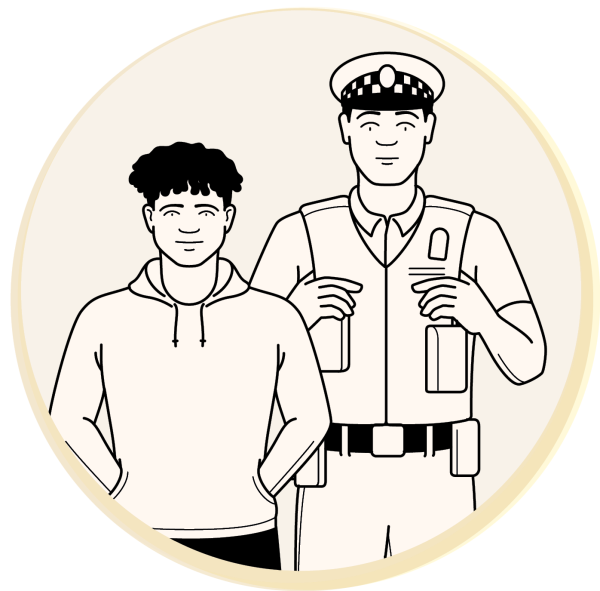
(young people) safe and well. It also includes what NZ Police and Oranga Tamariki do when tamariki and rangatahi might have broken the law.

Tamariki and rangatahi get involved in the oranga tamariki system when someone lets Oranga Tamariki know they are worried about their safety or wellbeing, or when they get into trouble with the NZ Police.
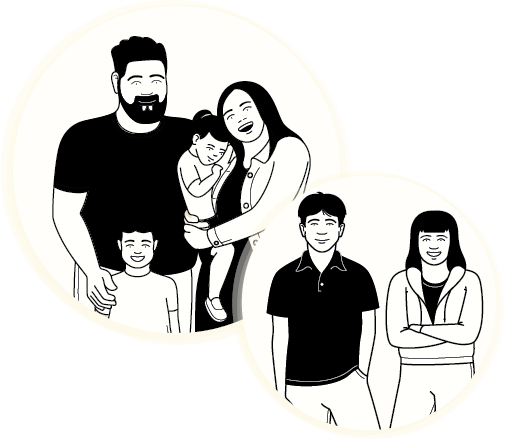

Our report looks at how well the oranga tamariki system is meeting the needs of tamariki
Children (plural) aged 0-13 yearsView the full glossary
and rangatahi
Young person aged 14 – 21 years of ageView the full glossary
Māori and their whānau
Whānau refers to people who are biologically linked or share whakapapa. For the Monitor’s monitoring purposes, whānau includes parents, whānau members living with tamariki at the point they have come into care View the full glossary
. To find out what is and is not helping them, we heard from 130 tamariki and rangatahi Māori and around 1,100 other people including whānau and caregivers, social workers, teachers, police, doctors, nurses and youth workers.

To help us understand how things have been going over time, we also gathered information about Māori aged 27–30 who were involved with the oranga tamariki system when they were younger – either in care and protection or youth justice. We put this information together and wrote a report that went to the Government. We put it on our website so everyone can read it.

Most tamariki and rangatahi Māori are not involved in the oranga tamariki system.

However, there are more Māori than non- Māori tamariki
Children (plural) aged 0-13 yearsView the full glossary
and rangatahi
Young person aged 14 – 21 years of ageView the full glossary
involved in the oranga tamariki system. It has been this way for a long time.

More than a quarter of the youth population in Aotearoa
New ZealandView the full glossary
are Māori

More than half of tamariki and rangatahi in the system are Māori

We found that tamariki
Children (plural) aged 0-13 yearsView the full glossary
Māori don’t always get the help they need early enough. Sometimes people tell Oranga Tamariki they are worried about tamariki Māori lots of times before someone checks if they are safe. Nearly one quarter of tamariki Māori who someone is worried about had someone tell Oranga Tamariki about them 10 or more times. If help does come, it is not always the right kind of help.

Sometimes, when tamariki
Children (plural) aged 0-13 yearsView the full glossary
Māori are involved in the oranga tamariki system, they do not get the same support as non-Māori. Their social workers are less likely to visit, they don’t attend school as regularly and they are not getting the support they need to prepare for being an adult. This includes getting a driver licence, having stable housing and having the skills they need for a job.

We found their outcomes are worse than for Māori who are not involved in the oranga tamariki system – and worse than non-Māori who are involved. Outcomes include things like good physical and mental health, having an education qualification, and having a job and somewhere to live.

Some tamariki
Children (plural) aged 0-13 yearsView the full glossary
and rangatahi
Young person aged 14 – 21 years of ageView the full glossary
Māori who do not get the help they need early enough end up getting in trouble with the Police when they are older. Nearly all rangatahi Māori who got in trouble with the Police had at least one person tell Oranga Tamariki they were worried about their safety or wellbeing when they were younger. Half of them had people tell Oranga Tamariki 10 times or more.

We heard about some tamariki
Children (plural) aged 0-13 yearsView the full glossary
and rangatahi
Young person aged 14 – 21 years of ageView the full glossary
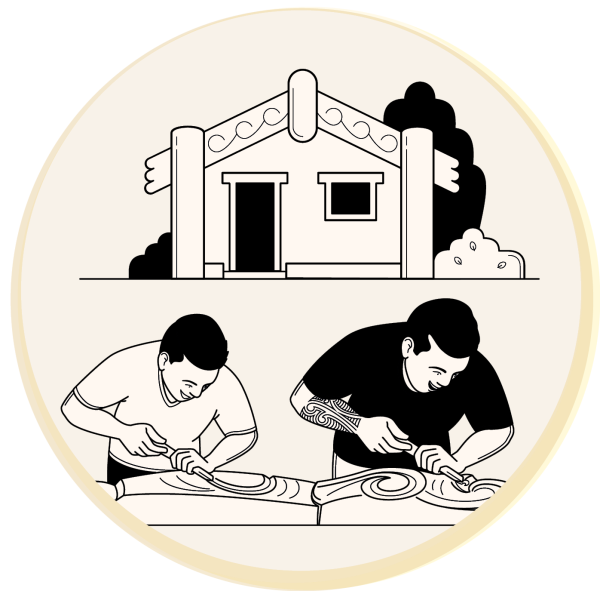
Māori getting help that works for them and their whānau
Whānau refers to people who are biologically linked or share whakapapa. For the Monitor’s monitoring purposes, whānau includes parents, whānau members living with tamariki at the point they have come into care View the full glossary
. Some of them got this help from iwi
TribeView the full glossary
and Māori organisations that we mention in our report. These services are often only available in some places and are pilots. A pilot is something you test to see if it works before deciding to keep it. Some of these have been tested for a long time. If government wants to make the future better for tamariki and rangatahi Māori involved in the system, it needs to commit to keeping the services that are working and make them available everywhere.


The government also needs to make sure that when tamariki
Children (plural) aged 0-13 yearsView the full glossary
and rangatahi
Young person aged 14 – 21 years of ageView the full glossary
Māori need help from Oranga Tamariki, they get it much sooner.


“If I was to have kids, I don’t want them to go through this sort of stuff that I went through. One thing I want for my future is to stay out of trouble. I don’t want to go to jail. Just work. Travel overseas ...” RANGATAHI